
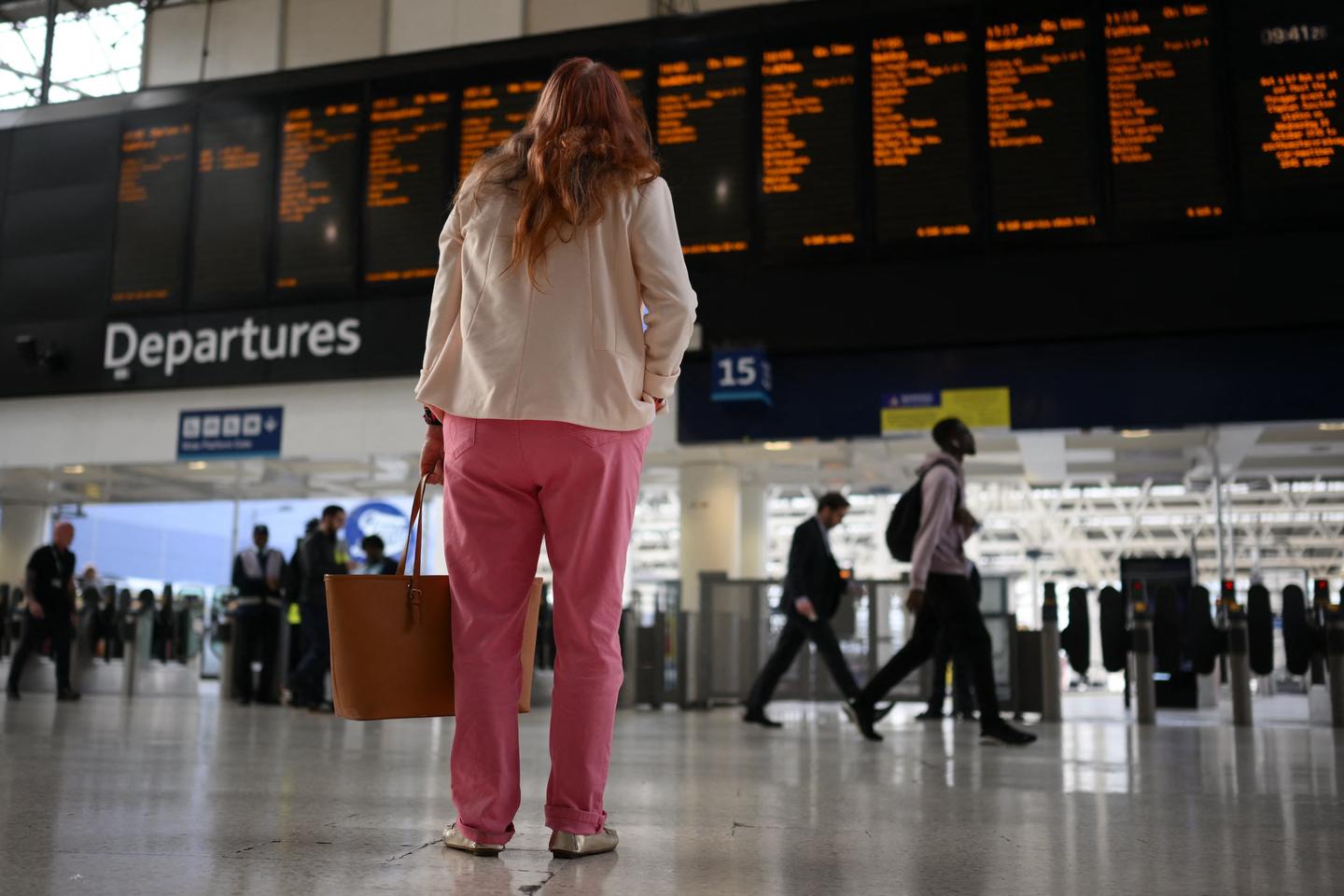
At 6:14 AM on Sunday, May 25, the first train from Great British Railways (GBR) , the new public entity overseeing rail services in the United Kingdom , departed from Waterloo station in London , heading towards Shepperton , a city located in Surrey , in the southeast of the country. The locomotives from this inaugural journey, unveiled recently by Minister of Transport Heidi Alexander , proudly display the new red, white, and blue logo of GBR.
This first route signifies the nationalization of South Western Railway , which operates around 1,600 daily trains throughout the southwest of England , as noted on its website. Previously co-operated by First Group —a company traded on the London Stock Exchange —and MTR , which manages the Hong Kong metro , this railway group is the very first to be brought back under state control as part of a broader process initiated by the Labour Government . Following South Western Railway’s nationalization, C2C in Essex will follow suit by the end of July, and Greater Anglia will transition in the fall, as announced by the transport department.
In fulfilling an electoral promise , Labour has plans to nationalize a total of ten companies that are integral to the English rail system by October 2027 . A law that was ratified in late 2024 allows the government to regain operational control over these entities upon the expiration of their contracts. The ultimate objective is to consolidate them within Great British Rail , although the specific operational structure is still to be clearly defined.
Fragmentation of the Rail Network
“This will create a unified entity capable of overseeing the entire system,” states Andrew Cumbers , a professor of political economy and a rail specialist at the University of Glasgow . “Currently, the railways are managed by various private and public entities, each controlling only a small segment of the entire network.” This fragmentation began in 1996 when Prime Minister John Major privatized the British railway system.
“The rail network has been divided into regional segments, and over 100 private companies oversee their management,” he elaborates. “The rolling stock is typically held by leasing companies that rent them out to these operators.” The infrastructure, which includes rails, signals, and stations , has remained under state control since RailTrack , the company responsible for their maintenance, went bankrupt in 2001. “This system aimed to foster competition among operators, but it never materialized because each entity maintained a natural monopoly within their regional sectors,” Cumbers adds. Additionally, these companies have consistently struggled with operational inefficiencies.
This push for nationalization aligns with a growing sentiment among the British public who have expressed dissatisfaction with the existing railway system. Rising ticket prices, delays , and poor services have marked the experiences of many travelers. The Labour Party’s decision to nationalize rail companies is perceived as a necessary step towards rectifying the wrongs of the past two decades of privatization.
Public Response and Industry Reaction
Public reception to this nationalization move has been mixed. While many welcome a unified railway system that promises improved accountability and efficiency , others remain skeptical about whether nationalization can effectively address ongoing issues. Concerns persist regarding how Great British Rail will manage the complexities of integrating various entities under one umbrella, while also ensuring quality service and infrastructure improvements.
Railway unions, however, have largely expressed their support for nationalization. They argue that a publicly-owned railway would prioritize passenger needs over profit, which has historically driven decision-making in the privatized model. “ Safety and service quality should come first,” notes a spokesperson for one of the major railway unions, emphasizing that employees have often felt undervalued under the corporate structure.
Moreover, the change is expected to have significant implications for infrastructure investment in the rail network. Public ownership could facilitate more substantial and sustainable investments that aim not just to maintain the current state but to upgrade and modernize the rail infrastructure in the UK.
The Road Ahead
Looking ahead, achieving a successful transition to Great British Rail will hinge on effective planning and execution. The existing contracts, operational frameworks, and logistical hurdles must be navigated cautiously to minimize disruptions in service for the traveling public.
The government has recognized that stakeholder engagement will be crucial. Discussions with regional authorities, passenger groups, and employees will be necessary to develop a clear strategy for the restructuring of the rail system. Ensuring that customer feedback plays a pivotal role in shaping the new GB Rail policies will be essential for improving public trust and fostering a positive relationship with the users.
As Great British Rail prepares for a vital transformation period in British transport history , the focus remains on delivering a rail system that prioritizes the needs of its passengers, promotes sustainability, and ultimately enhances Britain’s position as a leader in efficient public transportation. The success of this initiative could serve as a template for other public services seeking similar overhauls in public ownership and operation.