
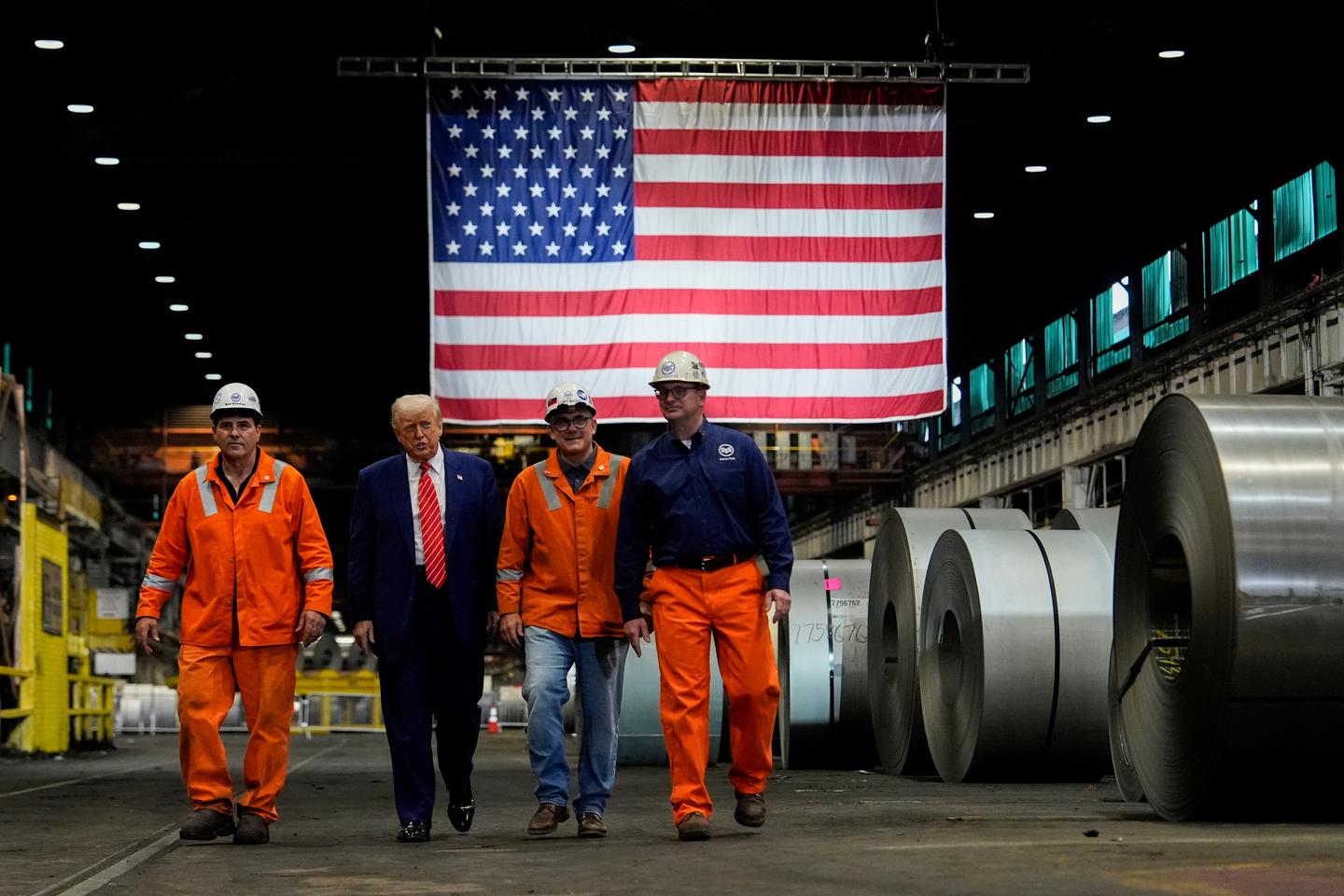
Donald Trump’s Steel and Aluminum Tariff Revisions: A Game Changer for American Industry

On May 30, 2025, during a visit to a steel plant in Pennsylvania, Donald Trump made a crucial announcement concerning U.S. tariffs on steel and aluminum imports. On June 3, he signed a decree to raise tariffs from 25% to 50% , significantly impacting industries considered vital for the American economy. This new tariff went into effect on June 4, marking a bold move by the current administration.
Trump stated, “These new tariffs will be more effective in combating the surge of cheap imports from foreign countries that undermine the competitiveness of U.S. steel and aluminum industries .” This decision of a 25% surcharge on these imported goods was previously enacted on March 12 as part of his aim to bolster local production or encourage foreign companies to invest within the United States.
By increasing these tariffs under the guise of national security , Trump is specifically targeting nations like Canada , Mexico , and China , as well as major exporters like Europe , Japan , and Australia . Interestingly, the United Kingdom remains exempt from this new tariff increase, maintaining its rate at 25%.
The Implications of Tariff Increases on Various Industries
The implications of this robust tariff increase are multifaceted. For one, it could lead to a resurgence in domestic steel and aluminum production , aiming to protect American jobs and industries from foreign competition. However, many economists warn that higher tariffs can lead to increased prices for consumers, adversely affecting various sectors that rely on steel and aluminum, such as automotive manufacturing , construction , and consumer goods .
The manufacturing sector , in particular, may find itself in a precarious position. While some companies may benefit from less competition, the potential for retaliatory tariffs from other countries may complicate the landscape. This could create a ripple effect, as countries respond to U.S. tariffs by imposing their own on American goods, leading to a trade war that could stifle global economic recovery.
Political Reactions to the Tariff Increases
The political landscape in America is also undergoing scrutiny in response to these recent tariffs. Supporters of Trump argue that the tariffs are a necessary measure to protect American workers and industries. However, critics—from Democrats to industry analysts—contend that such aggressive measures could backfire, harming the U.S. economy in the long run. Public opinion appears divided, as some Americans appreciate the focus on protecting jobs, while others lament increasing costs for essential products.
In Congress, discussions are underway about approaching international trade more strategically, with some lawmakers advocating for a reconsideration of protectionist policies. Economic advisers are being consulted to forecast the potential impacts of the increased tariffs, and debates are expected to escalate as the implementation unfolds.
A Global Perspective on U.S. Tariffs
Globally, these tariff hikes are reigniting discussions among trade organizations about the future of international commerce. Countries affected by these tariffs are likely to reassess their trade partnerships and future import/export strategies. This situation bolsters the argument for a more balanced and collaborative approach to global trade that minimizes conflicts and promotes mutual growth.
In summary, the rise in tariffs on steel and aluminum exports marks a pivotal moment for U.S. economic policy. This move is being watched closely not only by American industries but also by countries worldwide, highlighting the interconnected nature of global trade and economic policy. The coming months will be crucial in determining whether these tariffs will achieve their intended goals or lead to unexpected challenges in the domestic and global marketplace.