
Sweden’s Battle Against Loneliness: A National Crisis
Sweden has embarked on a significant and unprecedented effort to combat loneliness , a growing concern that has prompted the government to invest millions of euros in addressing what they term a “ public health problem .” The problem affects various demographics, particularly the younger and older segments of society. Notably, Sweden is often labeled as one of the loneliest countries in the world, a designation that adds urgency to this national campaign.
Loneliness manifests differently across various demographics. It’s crucial to distinguish between living alone and feeling isolated. Various studies conducted over recent years indicate a stark prevalence of both conditions in Sweden, highlighting the urgent need for intervention. The Swedish government has taken proactive steps in declaring a “war” on unwanted isolation , catalyzing initiatives to support affected individuals.
Understanding the Loneliness Crisis: Facts and Figures
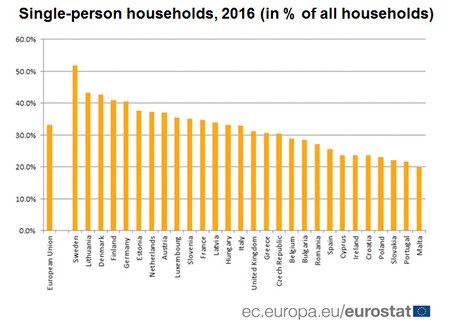
According to Eurostat , more than 52% of Swedish households consist of a single individual, the highest in the EU. This stark reality reflects a broader trend; 26% of the Swedish population lives alone, positioned just behind Finland. Nevertheless, living solo does not inherently equate to feeling lonely.
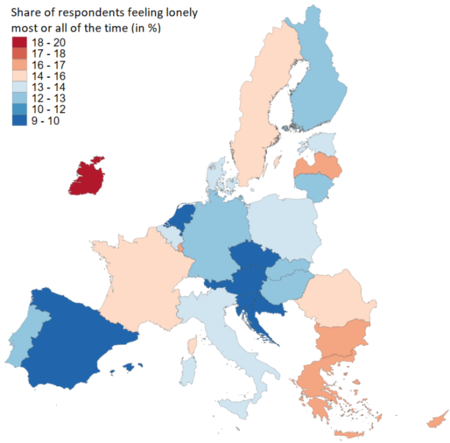
When it comes to feelings of loneliness, recent surveys reveal concerning statistics. Approximately 16-17% of the population often feels alone, with 6% indicating they experience this sentiment “often or constantly.” Alarmingly, the government estimates that nearly two million Swedes over the age of 16 are grappling with isolation, exacerbated in the younger demographic where 26% of children from grades three to six report feeling lonely at school.
Loneliness: A Public Health Crisis
Sweden’s commitment to addressing loneliness is underscored by its government’s classification of the issue as a public health crisis . Minister of Social Security Anna Tenje states, “This is a growing problem, particularly affecting the elderly.” The government’s alarming statistics emphasize that isolation is critically impacting vulnerable groups such as the elderly, young people, and the unemployed.
Financial Commitment: 27 Million Euros Annually
In 2023, the Swedish government initiated a triennial plan (2023-2025) focusing on allocating 300 million Swedish crowns (approximately €27 million) annually to mitigate isolation. The government’s strategy prioritizes community engagement and practical interventions aimed at preventing loneliness . Reportedly, the Public Health Agency presented a strategy earlier this year that outlines steps to foster community ties and decrease isolation rates.
Innovative Approaches: “Taking Care of Friends”
Among Sweden’s innovative strategies is the “Vänvård” initiative, encouraging pharmacy employees to dedicate a portion of their time to combat loneliness. This program exemplifies a broader movement gaining traction, with recognition from the World Health Organization as a leading example of how to address this issue effectively.
A Holistic Strategy: Community Involvement and Support
The Swedish government has also extended its strategy to include funding for organizations dedicated to reducing loneliness, as well as promoting social activities for the elderly. This multifaceted approach includes sports initiatives and community-building events that bridge gaps between neighbors and establish support networks.
According to recent data, more than half of Swedes have reported that they know little about their neighbors. This stark reality has prompted the Swedish Civil Contingencies Agency to launch community-focused initiatives to foster neighborly relationships. Their campaign emphasizes that “when we know each other, it is easier to help each other.”
In conclusion, Sweden’s government recognizes that combating loneliness is essential not only for public well-being but also for strengthening the social fabric within the country. With comprehensive strategies and a significant financial commitment, Sweden is taking measured steps to address a profound and escalating issue. As they move forward with initiatives to promote community, strengthen bonds, and provide social support, the nation sets a compelling precedent for global public health efforts against loneliness.