
Revitalizing Spain’s Ghost Towns: The Urgent Call to Action
Spain is home to several ghost towns , offering properties for prices as low as a few hundred euros. These small towns , often with populations dwindling to just a handful of residents, are now taking innovative approaches to revitalize their communities . Many are attempting to stop the loss of population through various initiatives aimed at promoting local life. One unique strategy comes from a town in Salamanca, which recently sought to “give a present”—the local bar—to anyone willing to take on the challenge of revitalizing it.
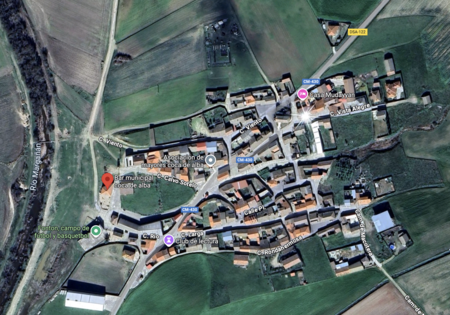
Symbolic Rent: Just One Euro a Year—Alba Coca, a serene village nestled in the region of Salamanca, illustrates this innovative approach to community revitalization. This town saw its population peak in the 1960s with 273 inhabitants, but by 2024, that number has plummeted to just 95. Like many other rural areas, Alba Coca is grappling with the dual pressures of aging populations and young residents migrating to urban centers in search of better opportunities.
In a bid to breathe life back into the community, the local City Council has decided to rent out the municipal bar for a mere one euro a year . After undergoing a renovation with financial support from the Salamanca Provincial Council, this centrally located bar became the heart of the community. Originally run by an Argentine family who breathed new life into the establishment, it fell silent once again when they returned to their homeland, leaving a fully-equipped 200-square-meter space abandoned.
The Bar as a Community Hub. Dori Vicente Ciudad, the mayor of Coca de Alba, emphasizes the vital role that the bar plays in the community, describing it as a center for leisure , social interaction , and community cohesion . Though the rent is minimal, there is a crucial stipulation: the bar must operate at least on weekends. The mayor hopes that whoever takes over will not only serve beverages but also attract visitors from nearby towns to participate in activities and events, helping to revitalize local interest.
Pedro Astudillo, the mayor of nearby Zorita de la Frontera, supports this view. His town, with around 150 residents, also rents a bar for approximately 180 euros a month. Both mayors recognize that the bar serves as a crucial meeting place; it generates traffic on the streets and fosters community spirit. Juan Carlos Martín, the mayor of Cantaracillo, echoes this sentiment, noting that his town has witnessed a significant drop in its population—from 825 in the 1950s to just 190 today. Cantaracillo rents its bar for 50 euros a month, which has become a focal point for social activities and gatherings.
Alba Coca
Institutional Support. This movement to revitalize bars in abandoned towns is not only a grassroots initiative. In late 2023, the Salamanca Provincial Council announced a plan to allocate 300,000 euros for towns lacking active hospitality establishments. Each municipality can receive up to 30,000 euros for renovations, provided they commit to operate for at least two days a week throughout the year. Remarkably, it was estimated that around 80 towns could benefit from this funding.
A Collective Endeavor. Alleviating the consequences of rural depopulation requires collective action. Towns have not only offered symbolic rents but are also exploring additional strategies such as installing solar panels to mitigate operational costs. Such measures help ensure any profits generated can remain in the community rather than being absorbed by expenses. Additionally, towns like Bermellar are offering housing alongside bar rental at incredibly low rates to attract operators. Other regions, such as Burgos, are adopting similar strategies.
Private organizations are also stepping in, offering initiatives like BarLab Rural , a project by Mahou-San Miguel designed to reopen bars in towns with less than 5,000 inhabitants . As local governments and businesses unite to tackle the challenges of rural extinction, a brighter future may await these once-vibrant communities.
Revitalizing Spain’s ghost towns is a collective task that calls for creativity, determination, and community spirit. As local governments, residents, and businesses take steps to infuse life back into these abandoned spaces, the resilience of these small towns may shine through in new and unexpected ways.
Images | Google Maps, Tamorlan
In Xataka | Spain’s industry is moving from traditional cities to Emptied Spain. The reason: renewables