
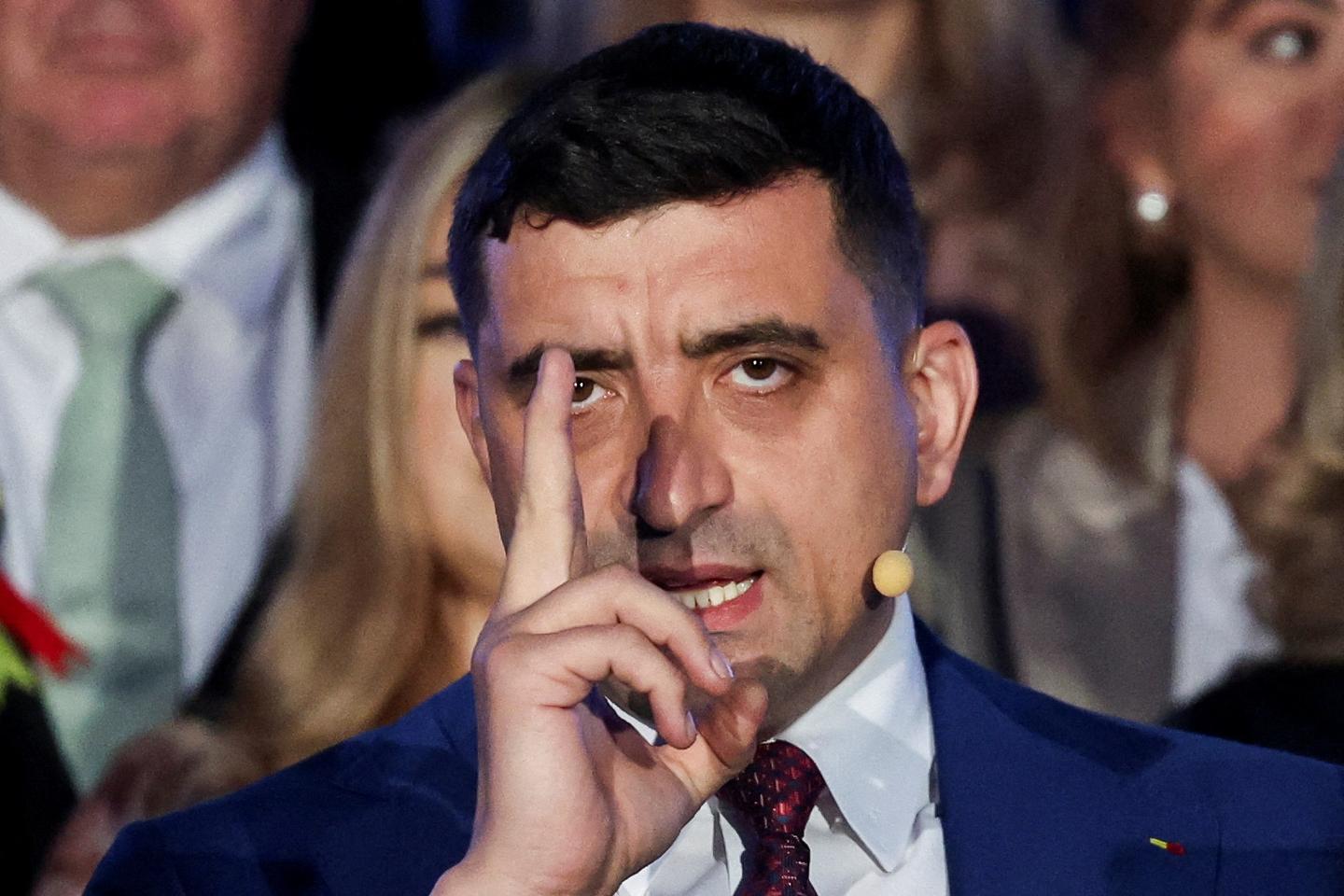
On May 22, the **Romanian Constitutional Court** delivered a crucial decision, rejecting an appeal made by **George Simion**, the **nationalist candidate** who faced defeat in the second round of the presidential election. The election was won by Bucharest’s pro-European mayor, **Nicusor Dan**. The court stated that it had unanimously rejected the request for the cancellation of the election, calling it unfounded.
“The Court continues its coup!” protested the discontented candidate on **Facebook**, inviting supporters to unite and fight.
Simion had initially dominated the first round on May 4, securing a significant portion of the vote. However, in the runoff, he received **46.4%** compared to Dan’s **53.6%**. This election was viewed not only as pivotal for Romania but also for its standing in the **European Union (EU)** and **NATO** as the president has significant powers in these matters.
Significance of the Election
This election serves as a marker of Romania’s political landscape, especially as the country navigates complex geopolitical tensions. With **19 million inhabitants**, Romania’s choice of president can influence its regional security and diplomatic ties, particularly regarding ongoing support for Ukraine amidst external threats.
Simion’s Reactions
Following the election results, Simion shifted his narrative, alleging **”external interference”** from countries like **France** and **Moldova**. While he acknowledged that his appeal held little chance of success, he insisted that a **”concerted attempt”** was made to sway the election outcome.
His claims were bolstered by **Pavel Durov**, founder of the messaging platform **Telegram**, who accused a French intelligence head of attempting to **”bank conservative voices in Romania.”** Durov indicated a willingness to testify in Romanian courts regarding these allegations. In contrast, France has firmly dismissed these accusations.
Official Statements
Romania’s **acting president**, **Ilie Bolojan**, urged the public to respect the democratic process, highlighting the significant vote disparity between the candidates and the high voter turnout. He remarked on the absence of any incidents reported by international observers, reinforcing the credibility of the election results. The electoral commission echoed this sentiment, dismissing Simion’s claims as unwarranted efforts to undermine public trust in governmental institutions.
Historical Context
The aftermath of the previous election on November 24, 2024, casts a shadow over public confidence. This election was characterized by chaos resulting from alleged Russian interference and the disqualification of candidate **Calin Georgescu**. His unexpected rise in the initial elections raised concerns over foreign influence in Romania’s electoral processes. Despite his disqualification, there were speculation and claims of political maneuvering aiming for the Prime Minister’s seat if Simion had prevailed.
Implications for the Future
As Romania moves forward, the ramifications of this election will likely resonate across both domestic and international fronts. With the new president advocating for pro-European policies, there is a renewed focus on Romania’s role within the **EU** and **NATO**, especially regarding the ongoing tension with Russia. The larger implications of political unrest may continue to shape Romania’s identity in the years to come, creating an environment ripe for political what-ifs and future electoral contests.