
The Unusual Journey of Clams in Galicia
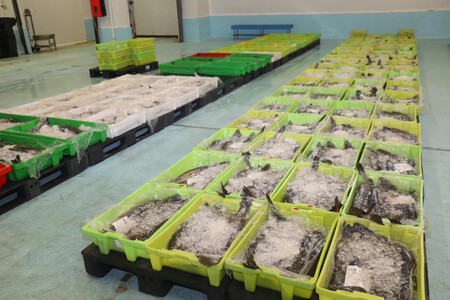
The customary route for shellfish harvesters in Galicia involves collecting clams to supply fish markets, fishmongers, and supermarkets. However, recent developments in the brotherhoods of Vilanova and Rianxo, located in the Rías Baixas region, have taken a surprising turn. Clams have been auctioned off only to be returned to the sea—an unusual and frustrating outcome for shellfish professionals that sheds light on deeper market dynamics.
What’s Happening in the Market?
Reports from Vigo Lighthouse indicate that several brotherhoods in the Arousa estuary have had to withdraw clam lots from auctions. This decision stemmed from pricing that fell below sustainable levels. Shellfish collectors opted to return the bivalves to the estuary rather than underselling them, a frustrating choice that reveals the sector’s ongoing hardships.
Price Crisis
The price of clams has been alarmingly low, prompting industry leaders to act. Óscar Fernández, the president of the Vilanova shellfish harvesters’ group, noted that a minimum price was set towards the end of 2024 to ensure the livelihoods of shellfish workers. Specifically, the minimum rate for japonica clams rose from €7 to €9 per kilo, while fine clams were pegged at €30 per kilo. Any quoted price falling below these thresholds would result in the clam lots being discarded.
Economic Trends in November
Despite this setup, November is typically a sluggish month for seafood sales following the busy summer season. This year, however, prices have drastically fluctuated. So far, the average price in Arousa for 2023 stands at €15.05 per kilo, which is notably lower than the previous year’s average.
Professionals observed a significant dip in pricing coinciding with the opening of the Noia market, which has affected local livelihoods. This situation reflects the broader pressures faced by the industry.
External Competition and Labeling Concerns
Two primary factors contribute to the current crisis: the influx of foreign seafood products and direct competition from markets like Noia. Miguel Ángel Iglesias, a senior figure in Rianxo, underscored an alarming trend—foreign shellfish is often misrepresented as local produce, muddling consumer trust and harming local harvesters.
The region’s shellfish industry demands that regulations for imported seafood mimic those for local products, especially concerning health standards and traceability.
Global Sourcing and the Future
This complex situation has led Galician producers to seek alternatives abroad, particularly from countries like Canada, Italy, Portugal, and Morocco. As local production struggles under the weight of environmental factors and increased competition, harvesters are forced to navigate a global market that threatens their sustainability.
As a result, many Galicians feel the pinch of lost production while other countries bounce back quickly. The market remains precarious, and it’s evident that solidifying local identities and safety standards is vital for the long-term health of Galicia’s traditional fishing economy.
Closing Thoughts
The saga of Galician clams serves as a stark reminder of the interconnectivity within global seafood markets. As local harvesters contend with fluctuating prices and the ramifications of imported goods, the dynamics at play highlight an urgent need for measures that protect traditional industries amidst growing competition.