
## The Nuclear Debate Returns to Japan
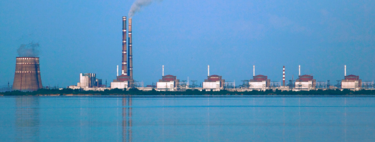
The nuclear debate that Japan believed was settled has reignited. The recent authorization by Niigata’s governor to reactivate the Kashiwazaki-Kariwa power plant—the largest atomic facility in the world—has raised alarms among citizens. Concerns about public distrust, echoes of the Fukushima disaster, and skepticism regarding Tokyo Electric Power Company (TEPCO) as the operator have emerged prominently.
### A New Nuclear Revival?
The Kashiwazaki-Kariwa plant, managed by TEPCO, has been inactive since 2012, following the catastrophic events of the 2011 tsunami and the ensuing three meltdowns at Fukushima Daiichi. This incident cast doubt on similarly designed reactors, prompting the shutdown of all seven reactors at Kashiwazaki-Kariwa for over a decade. Despite its pivotal role in supplying electricity to northeastern Japan, the plant remained offline due to safety concerns.
According to the Japan Times, Governor Hideyo Hanazumi has authorized a phased reactivation of the plant, beginning with reactor 6, one of the newest and most powerful. When fully operational, the facility will boast over 8,000 MW of capacity, ensuring its status as the largest nuclear site in the world.
### A Strategic Energy Move
Kashiwazaki-Kariwa’s reactivation signals a significant shift in Japan’s energy strategy. As reported by the Financial Times, the Japanese government anticipates that restarting the plant will lower electricity bills and provide energy with reduced emissions. This decision comes amidst high energy costs driven by the Russian invasion of Ukraine and the weakening yen, which has made fossil fuel imports even more expensive.
Prior to the Fukushima disaster, Japan generated nearly 30% of its electricity from nuclear power, but this figure plummeted to nearly zero post-2011. To regain some reliance on nuclear power, the government has expressed intentions to increase nuclear energy’s contribution to 20% of the electricity mix by 2040. TEPCO projects a substantial improvement in its annual finances, anticipating an extra 100 billion yen to offset ongoing costs from dismantling the Fukushima reactors.
### The Reactivation Process
The pathway to reactivation involves starting with unit 6, which is already fueled and expected to commence commercial operations before March of the next year. However, TEPCO needs to comply with the government’s requirements, which include updating all safety systems and enhancing emergency evacuation protocols.
The reactivation process has faced hurdles. While the plant passed initial safety inspections in 2017, it encountered a veto from Japan’s Nuclear Regulatory Authority over shortcomings in anti-terrorism measures. These were resolved only by 2023, and TEPCO was required to integrate biometric controls and rectify internal security issues.
### Controversy and Public Sentiment
The decision has not been free from controversy. According to a BBC survey, 50% of Niigata’s residents support the revival, while 47% oppose it. Alarmingly, nearly 70% of the population registered concerns regarding TEPCO, the same company that was implicated in the Fukushima disaster. Resistance is notably strong in towns within a 30-kilometer radius of the plant, where fears of another crisis loom large.
Politically, Governor Hanazumi is acknowledging the sensitivity of his decision, asserting that his continued role will be subject to a vote by the prefectural assembly—the only body with the authority to dismiss him.
### Ensuring Energy Security
The reopening of Kashiwazaki-Kariwa stands as a critical element in safeguarding Japan’s energy security and averting potential power shortages in Tokyo. Lowering electricity rates—significantly increased since 2011—is also a key factor behind this decision. Along with reactivating existing reactors, Japan is eyeing the construction of new fourth-generation reactors, which could usher in a new era of energy policy.
### More Than a Return to Nuclear Energy
While Japan once pledged to reduce its nuclear dependency, the current landscape reveals a nation driven by the dual pressures of necessity and geopolitical challenges. As the memory of Fukushima continues to linger, it remains uncertain whether this move will restore public trust or exacerbate the deep-seated divisions over nuclear power that have persisted for over a decade.
Although the governor’s approval marks progress, several procedural steps remain. The prefectural assembly must deliberate and vote on this decision in December, and the Japanese nuclear regulator must also finalize protocols for reactivation.