
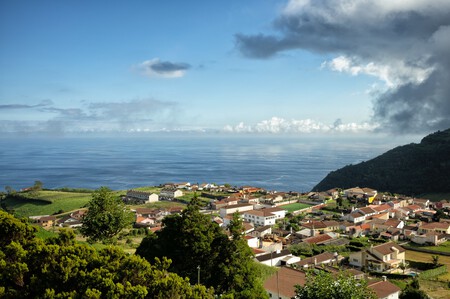
The island of Sao Miguel, the largest of the Azores archipelago, is affectionately known as the ‘Green Island’ for its vibrant meadows. However, in 2001, it bore witness to a curious twist of fate that could easily rival any Netflix script. The coast of São Miguel, particularly the freguesia of Rabo de Peixe, became the unexpected landing site for uncut bales of cocaine of exceptional purity.
This influx of drugs caught the inhabitants of Rabo de Peixe by surprise, and decades later, it’s clear this incident transformed the island’s history.
Not only was Rabo de Peixe associated with surreal images—such as families allegedly breaded mackerel with cocaine instead of flour—but it marked a shift in a community that traditionally had limited access to such luxuries.
Today, over two decades later, the story has re-emerged in the news, largely due to a new documentary from Netflix titled ‘White Tide: The Surreal Story of Rabo de Peixe’, which parallels the second season of a popular series inspired by the event, the equally hit ‘Rabo de Peixe’.
A Drifting Sailboat
In June 2001, Antonino Quinzi, an experienced sailor, discovered that even paradisiacal places like the Azores could present hellish challenges. While navigating a 12-meter yacht from the Canary Islands to Spain, a sudden storm damaged his ship’s rudder, leaving him adrift.
As a result, Quinzi sought refuge in a discreet cove on São Miguel. The locals, seeing his yacht, presumed he was just another amateur sailor in trouble. Little did they know, Quinzi was not merely seeking shelter; he was planning to hide a vast cargo.
His yacht concealed hundreds of kilos of cocaine from Venezuela. While official reports indicate he carried half a ton, whispers among locals suggest the yacht could hold closer to 3,000 kg.
Realizing he could not dock with a ship full of drugs, Quinzi decided to dispose of part of his cargo. In a series of bizarre attempts to hide the drugs, he lowered bales into the ocean using fishing nets. Unfortunately for him, nature had other plans, and heavy storms unraveled his carefully laid schemes.
A Wave of Bundles
The same waves that had threatened Quinzi’s yacht soon sent the concealed bales drifting ashore. Local residents found the first packages on June 7, 2001, tipping off authorities, who quickly discovered about 270 bales weighing nearly 300 kilos.
As news spread, more locals reported finding bundles on the beach. Within just two weeks, law enforcement seized over 400 kg of the drug. However, questions lingered: what happened to the rest of the cargo? Given the size of the shipment, a significant amount likely made its way into the community.
The unsuspecting population of Rabo de Peixe began reporting peculiar uses for the drug. Rumors abound of fishermen sprinkling teaspoons of coca into their coffee and using the powder to bread fish. Some children even mistook the bales for chalk, using them to mark soccer fields. Was this reality or folklore?
Glasses of Coca at 20 Euros
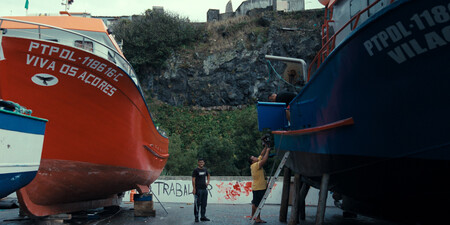
As the situation escalated, quick profits caught the attention of young locals. Bizarre tales emerged of young people with bags full of cocaine, dealers selling it from their cars, and even glasses brimming with pure cocaine sold for as little as 20 euros each.
The winds of change were strong in Rabo de Peixe. What once had been an elite-only drug soon became widespread, leading to addiction issues previously unseen. Rabo de Peixe’s healthcare system was soon overwhelmed, with reports indicating around 20 deaths in the weeks following the drug’s arrival.
Today, the legacy of those fateful days still looms large over São Miguel. The purity of the cocaine—exceeding 80%—transformed lives and contributed to addiction crises that affected an entire generation. Quinzi, the man who set this all in motion, was arrested and attempted to escape, but ultimately could not evade justice.
In retrospect, the incident redefined the identity of Rabo de Peixe, where the shadows of addiction and change remain palpable even today.