
The Tale of the Mammoths: From Ice Ages to Culinary Curiosities
The magnificent mammoths, once roaming the Earth, have long since vanished. These colossal creatures, known for their long tusks and shaggy coats, existed even as early humans learned to adapt to their habitat. While the last mammoths disappeared approximately 4,000 years ago, their legacy endures through folklore, archaeological finds, and even tantalizing culinary tales. Surprisingly, some anecdotal accounts suggest that less than a century ago, humans actually consumed mammoth meat.
What might mammoth meat have tasted like? Legends suggest its flavor resembled that of a sirloin steak, albeit with a narrative twist that adds a sprinkle of mystery and intrigue.
The Berezovka Mammoth: A Window into the Past
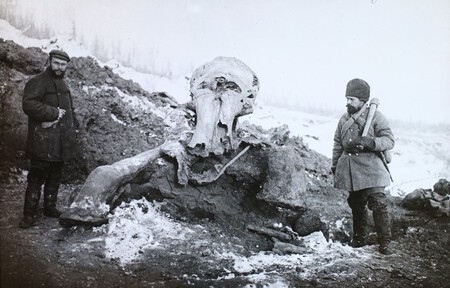
The Berezovka mammoth remains one of the most astounding archeological discoveries. Unearthed during a 1901 Siberian excavation led by the Russian-German naturalist Otto Ferdinandovich Harz, this specimen is arguably the best-preserved mammoth to date. This colossal creature met its demise when it was approximately 45 to 50 years old, trapped in the permafrost over 44,000 years ago.
That’s how they found it. The skull bore signs of wolf gnawing, showcasing nature’s unforgiving cycles. Yet, the irretrievable condition of its buried paw reveals an era long past.
Due to its burial in the extreme cold, researchers were able to study the Berezovka mammoth’s remarkably preserved features. Although wolves had nibbled on some of its flesh, the majority of the carcass remained intact, revealing herbs in its mouth and 12 kilograms of undigested food in its stomach. Fascinatingly, researchers determined that the mammoth’s skin had a reddish-brown hue and was adorned with curly hair reaching approximately 50 centimeters in length.
Unearthing the Culinary Mystery
Excavating the Berezovka mammoth was a monumental task requiring careful planning. Researchers established a camp at the dig site, and amidst whispers of legend and lore, stories began to circulate about mammoth meat sizzling over campfires on frigid Siberian nights. Some tales suggest that members of the expedition took daring bites of mammoth flesh to endure the harsh conditions.
However, the reality was less appetizing. As the meat thawed, an overwhelmingly foul odor emanated, making it nearly inedible. Even seasoned with spices, the ancient meat proved too pungent for human consumption. In a humorous twist, the expedition members eventually opted to share the mammoth delicacy with their canine companions instead.
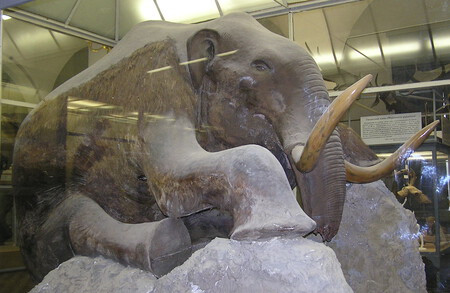
Reconstruction of the mammoth as it might have appeared during its lifetime.
Literary Legends and Club Stories
Continuous intrigue around mammoth meat surfaces among exploration societies like the New York Explorers Club, founded in 1904. While tales of past members tasting ancient delicacies may be anecdotal, they hold a certain allure. The club, known for its adventurous spirit, usually features an exotic menu that has included polar bear and insect dishes.
In the lore of the Explorers Club, some fascinating accounts describe how members indulged in mammoth meat at their banquets. Although there remains no credible evidence, stories can evolve into fascinating myths over time.
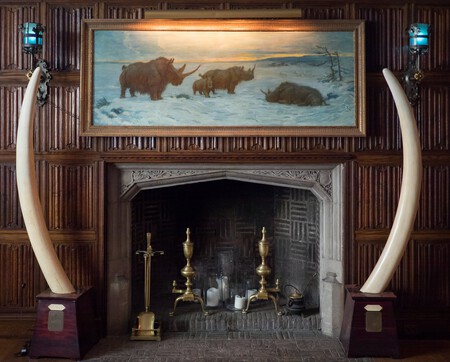
A corner of the Explorers Club, an establishment enveloped in rich history and adventure.
Interestingly, anecdotes point out that Theodore Roosevelt and astronaut Neil Armstrong supposedly tasted mammoth meat during a 1951 dinner event. Yet, the exact details remain clouded in confusion. A misunderstanding about what was being served led to believing they feasted on mammoth instead of megatherium—an enormous prehistoric sloth.
Despite a jar labeled “megatherium meat” finding its way to the Peabody Museum, DNA analysis revealed the ingredients were not ancient at all but instead derived from green sea turtles, a species currently endangered.
The Future of Mammoth Flavors
Though speculation surrounds modern consumption of mammoth meat, mammoth meatballs have even been touted, not for human consumption, but as a curiosity in culinary science. The rumor circulating that mammoth meat has a flavor akin to modern steak drives fascination among scientists and food enthusiasts alike.
While echoes of what it might have tasted like intrigue us, recent efforts are underway to explore de-extinction techniques aimed at reviving these prehistoric giants. Imagine a world where mammoths roam again—potentially delivering flavors from a lost era straight to our plates.
Amidst all the excitement and nostalgia surrounding the mammoth meat mystery, one truth stands—no anecdote or meal can bring back the true essence of these majestic creatures. Yet, it is in their enduring legacy that we continue to explore, learn, and even recreate fleeting moments of history.