
The Perils of Importing Cars from Japan to Russia
Each winter, the harsh climate of northeastern Asia challenges logistics, especially in Vladivostok, Russia, a key hub for importing cars from Japan. As temperatures dive to an average of -8 degrees Celsius, the bitter cold can transform these vehicles into unintentional ice sculptures.
A Noteworthy Incident: The “Sun Rio”
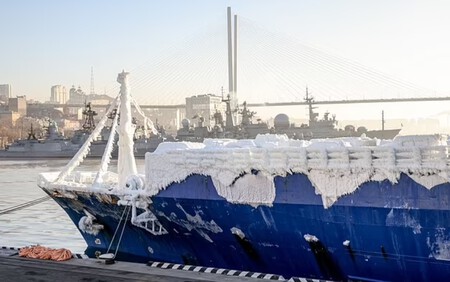
In December 2021, the cargo ship Sun Rio docked in Vladivostok carrying a mixed load of used and new Japanese cars. However, instead of the expected vehicles, the ship delivered a surprisingly different cargo: a massive slab of ice. The bitter maritime weather led to a phenomenon known as marine frosting, causing saltwater from rough seas to freeze on contact with the cold surfaces of the vehicles.
Marine Frosting: A Freezing Dilemma
This unique icing process occurs when seawater conditions are just right—subzero temperatures coupled with strong winds and turbulent waves. As icy seawater sprays onto the cars, it adheres to them in layers, forming a thick, impenetrable coating. This ice not only obscured the aesthetics of the cars but severely impacted their functionality.
Impact on Vehicle Integrity
While the refined marine glaze might appear visually stunning, it poses a significant risk to the cars’ integrity. This ice can impede critical equipment and sensors, making vehicles unsafe to operate. The weight of the ice also alters the center of gravity, increasing the potential for stability issues, particularly on smaller vessels.
Unloading in Extremes
The frozen vehicles present a logistical nightmare for workers trying to unload them. Waiting for the ice to melt is impractical; instead, crews were forced to use deicers and specialized tools to break apart the solid ice. Some cars emerged relatively unscathed, but many suffered irreversible damage.
The Long-term Effects of Saltwater Ice
Saltwater ice is notorious for accelerating corrosion, posing threats to screws, brakes, and bodywork—even in vehicles that seemed to be in good condition initially. This corrosion can lead to unpredictable vehicle performance and unexpected repair costs.
Market Consequences
The icy aftermath often spells trouble in the Russian car market. Many vehicles become unsellable, pushed towards scrapping or relegated to “opportunity sale” status. While no official losses were reported for the Sun Rio incident, it exemplifies the risks inherent in winter car imports in Vladivostok.
Conclusion: A Cautionary Tale
As Japan continues to be a primary source for automotive imports to Russia, potential buyers must remain cautious. Understanding the risks associated with extreme weather conditions is crucial—especially considering that an imported car could arrive as more of a frozen monument than a functional vehicle.