
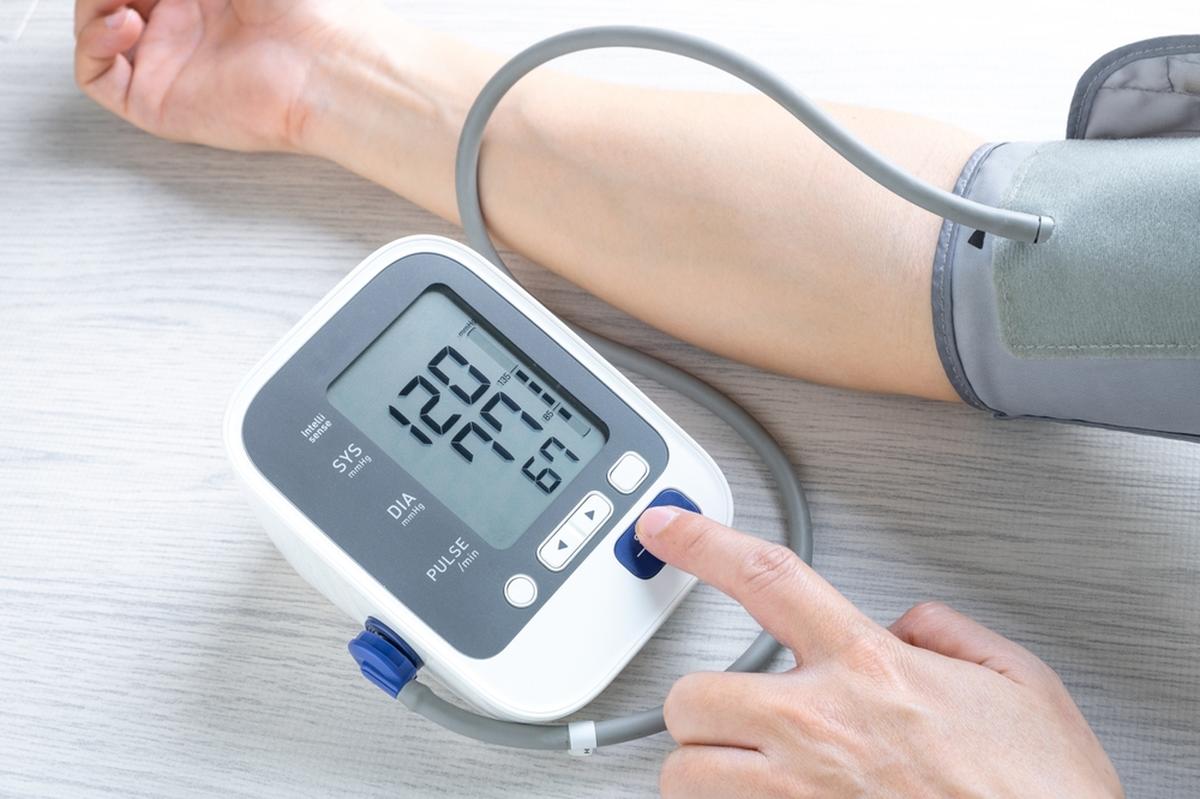
Understanding Hypertension: The Silent Killer
Hypertension, often termed as high blood pressure, is a common yet often overlooked health issue that affects millions of people worldwide. It is a condition where the force of the blood against the artery walls is consistently too high. This article will delve into the dangers of hypertension, its signs, and ways to effectively manage it. Understanding this condition can help you take proactive steps toward maintaining a healthier lifestyle.
Why is Hypertension So Dangerous?
The implications of high blood pressure are both serious and far-reaching. This elevated pressure can cause damage to your arteries, leading to a gradual weakening of your entire organism. The consequences can be catastrophic: there is an increased risk of heart attack, stroke (also known as cerebrovascular accident), or even heart failure. Over time, hypertension can also lead to cognitive disorders, kidney failure—to the point where dialysis may be necessary—and vision impairment due to retinopathy.
One of the most alarming aspects of hypertension is that in many cases, it does not exhibit any specific symptoms. This characteristic is what makes it a “silent killer.” Many people are unaware that they are suffering from this condition until it has reached a critical point, highlighting the necessity for regular monitoring.
How to Simply Detect Hypertension?
Fortunately, the detection of hypertension is within your reach! An objective measurement is essential for identifying high blood pressure. It is crucial to monitor your blood pressure regularly, especially once you reach the age of 40 or if you have any risk factors. These risk factors include family history, smoking, a sedentary lifestyle, excessive salt intake, obesity, or diabetes.
Regular checks can be performed at home or through medical appointments. In fact, most doctors recommend routine check-ups to ensure that your blood pressure remains within a healthy range.
Self-Monitoring: Your Crucial Ally
One of the simplest tools for home monitoring is a blood pressure monitor. Self-measurement is an essential strategy for tracking fluctuations in your blood pressure, allowing your physician to make necessary adjustments to any treatment plan. For reliable measurements, health authorities advise adopting the "rule of three": you should take three measurements in the morning before breakfast, followed by three more measurements in the evening before going to bed, all over a span of three consecutive days. Ensure that each measurement is spaced 1 to 2 minutes apart. After collecting these 18 readings, calculate their average.
Given that hypertension often develops without overt symptoms, early detection through self-monitoring can prevent severe damage to your body. Do not wait for hypertension to wreak havoc on your health; take action immediately!
Lifestyle Changes to Manage Hypertension
In addition to regular monitoring, incorporating healthy lifestyle changes can significantly impact your blood pressure levels. Here are some effective strategies:
Maintain a Balanced Diet
A balanced, nutritious diet can work wonders for your blood pressure. Focus on consuming whole grains, fresh fruits and vegetables, lean proteins, and low-fat dairy products. Limit your intake of saturated fats, sugars, and especially sodium, as high salt intake can contribute to hypertension.
Engage in Regular Physical Activity
Exercise is a powerful tool for managing hypertension. Aim for at least 150 minutes of moderate aerobic activity each week. This can include walking, swimming, or cycling. Regular exercise not only lowers blood pressure but also helps in maintaining a healthy weight.
Limit Alcohol and Quit Smoking
Both alcohol and tobacco can raise your blood pressure. Limiting alcohol consumption and quitting smoking are vital steps toward better overall health and reduced hypertension risk. Seek support or counseling if you find it challenging to make these changes.
Stress Management
Chronic stress can contribute to high blood pressure. Consider practicing relaxation techniques such as yoga, meditation, or even simple breathing exercises to manage your stress levels effectively.
Conclusion
In summary, hypertension is a grave health issue that requires attention and proactive management. Awareness of its dangers, symptoms, and the importance of regular monitoring can empower individuals to take charge of their health.
With the right lifestyle choices and regular check-ups, hypertension can be effectively managed, reducing its risk factors and improving your quality of life. Don’t wait; start monitoring your blood pressure today and make the necessary changes for a healthier tomorrow.
Pourquoi est-elle si dangereuse ?
Cette pression élevée n’est pas anodine. Elle abîme vos artères et fragilise progressivement tout votre organisme. Les conséquences peuvent être dramatiques : risque accru d’infarctus, d’AVC (accident vasculaire cérébral) ou d’insuffisance cardiaque. Sur le long terme, l’HTA peut aussi provoquer des troubles cognitifs, une insuffisance rénale (pouvant nécessiter une dialyse) ou altérer la vision par une rétinopathie. Le pire ? Dans la majorité des cas, elle ne présente aucun symptôme spécifique. C’est ce qui en fait un « tueur silencieux ».
Comment la démasquer simplement ?
La bonne nouvelle, c’est que la détection est à votre portée ! Seule une mesure objective permet de repérer l’HTA. Il est crucial de surveiller votre tension régulièrement, surtout après 40 ans, ou si vous présentez des facteurs de risque : antécédents familiaux, tabagisme, sédentarité, excès de sel, surpoids ou diabète.
L’automesure : votre allié crucial
Un simple tensiomètre suffit pour cette surveillance à domicile. L’automesure est un outil essentiel pour suivre l’évolution de votre tension et permettre à votre médecin d’ajuster au mieux un éventuel traitement. Pour des mesures fiables, les autorités de santé recommandent la « règle des 3 » : 3 mesures le matin avant le petit-déjeuner, puis 3 mesures le soir avant de vous coucher, le tout pendant 3 jours consécutifs, en espaçant chaque mesure de 1 à 2 minutes. Vous devrez ensuite calculer la moyenne de ces 18 mesures. N’attendez pas que l’hypertension fasse des ravages, agissez dès maintenant !