
Huawei’s Impact at MWC: Defying Geopolitical Pressures
There are moments in global geopolitics that visually encapsulate tension better than any written document. One such moment unfolded at the recent Mobile World Congress (MWC) in Barcelona, where Huawei emerged as a formidable player despite ongoing debates across Europe concerning the presence of suppliers deemed high-risk in telecommunications networks.
A Visibility Like No Other
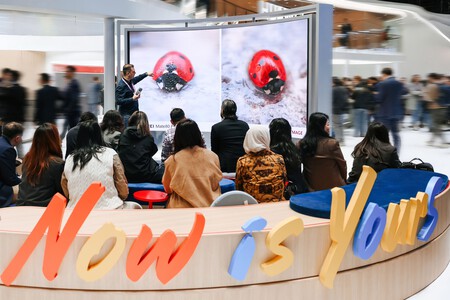
As attendees navigated the bustling pavilions of the Barcelona exhibition center, Huawei’s presence was impossible to ignore. The company set up one of the largest exhibition spaces in a prime location typically reserved for the industry’s most influential players. This strategic positioning not only highlighted Huawei’s resilience but also made its stand a bustling hub for executives, operators, and analysts alike throughout the congress.
Prominence on the Agenda
Not limited to its impressive physical footprint, Huawei also significantly influenced the event’s discussions. Executives from the company participated in various panels and sessions, discussing critical topics such as network infrastructure and the technological evolution of the sector. This prominent engagement culminated in recognition at the Global Mobile Awards, where Huawei received accolades for one of its innovative network infrastructure developments. This recognition is particularly crucial given the political turmoil surrounding the company’s operations in parts of Europe, indicating that its technological prowess remains relevant despite external pressures.
The European Paradox
The scene at MWC starkly contrasts with the political climate Huawei has faced in Europe. The European Commission has intensified its rhetoric regarding suppliers tagged as high-risk, urging member states to limit their reliance on such companies. Countries like Germany and Sweden have taken concrete steps to curb Huawei’s role in sensitive networks, especially concerning 5G deployments. This has resulted in a fragmented regulatory environment that pressures Huawei, while simultaneously showcasing the dynamic complexities of the telecommunications landscape in Europe.
Spain’s Intermediate Stance
Spain’s approach to Huawei reflects a less aggressive stance than some of its European counterparts. Though a formal ban on Huawei has not been enacted, its role in critical infrastructure has been gradually diminished. Major operators are replacing Huawei technology in essential network cores, illustrating an intermediate scenario where Huawei still holds a presence but is increasingly sidelined in the most sensitive areas of the networks.
A Pattern of Resilience
The narrative unfolding in Barcelona fits a familiar pattern for Huawei. Following the U.S. sanctions imposed in 2019, many industry analysts predicted a decline in Huawei’s influence. However, the company adeptly pivoted its strategies by bolstering its domestic market in China, refining its chip development, and creating an independent software ecosystem after losing access to Google services. This period of adaptation allows Huawei to maintain a foothold in various market segments, even where it has faced challenges.
Conclusion: A Continual Narrative
The impression left by Huawei at MWC serves as a chapter in an ongoing story. Despite concerted efforts by various actors to stifle the growth of this Chinese tech giant, Huawei has shown a remarkable ability to re-strategize and sustain its industry presence. What transpired in Barcelona indicates that this journey is far from over; in fact, we are witnessing a new and dynamic phase of Huawei’s engagement on the global stage.
This development underscores the complexity of international relations in the tech sector, where opportunities for cooperation often exist alongside significant geopolitical challenges. As Huawei continues to adapt and innovate, its trajectory will undoubtedly remain a focal point in discussions about the future of telecommunications.