
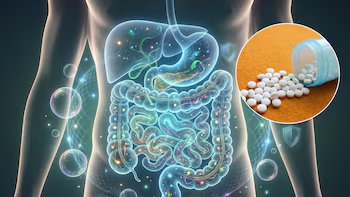
How to Recover Gut Microbiota After Antibiotics
The use of antibiotics is crucial for treating bacterial infections, but they can disrupt the delicate balance of microorganisms in the gut. This article explores how to restore gut microbiota after antibiotic treatment, based on insights from Harvard Medical School.
Understanding the Impact of Antibiotics on Gut Microbiota
Antibiotics eliminate harmful bacteria, but they also affect beneficial ones. This disruption can lead to several issues:
- Reduction of Bacterial Diversity: Antibiotics can lower the variety and quantity of good bacteria in the gut, weakening microbial balance.
- Temporary vs. Prolonged Changes: While most microbiomes recover a few weeks after treatment, some broad-spectrum antibiotics can cause lasting changes.
- Increased Infection Risk: The elimination of protective bacteria heightens susceptibility to opportunistic infections, such as Clostridioides difficile.
- Impact on Digestion and Immunity: Disruption in microbial balance can affect nutrient absorption and immune function.
- Bacterial Resistance: Overuse or misuse of antibiotics can lead to antibiotic-resistant bacteria.
Strategies for Recovering Gut Microbiota
Dr. Trisha Pasricha, a gastroenterologist at Harvard Medical School, emphasizes that restoring gut microbiota relies primarily on dietary habits rather than on probiotic supplements. Here are key strategies for recovery:
Focus on a High-Fiber Diet
Fiber is vital for gut health. Beneficial intestinal microbes ferment fiber to produce short-chain fatty acids, which are beneficial to the gut. Incorporating a variety of fiber-rich foods can help nurture these microbes.
Diversify Your Food Sources
Eating a diverse range of vegetables and other fiber sources encourages a broader variety of healthy bacteria. This diversity is crucial for a balanced gut microbiome.
Include Fermented Foods
Foods like Greek yogurt, kimchi, and sauerkraut are rich in live bacteria and can boost microbial diversity, helping to reduce intestinal inflammation.
Timeline for Recovery
Most individuals will see their microbiome naturally recover within a few weeks after ceasing antibiotic use. However, some antibiotics might induce longer-lasting changes, so it’s essential to monitor gut health throughout the recovery period.
Responsible Use of Antibiotics
Dr. Pasricha advises that antibiotics should only be used when absolutely necessary and that it’s crucial to complete the entire prescribed course to help prevent antibiotic resistance.
Conclusion
Restoring gut microbiota after antibiotic treatment is manageable through mindful eating habits. Prioritizing fiber, embracing dietary diversity, and including fermented foods can significantly aid recovery. By focusing on these strategies and hearing the expertise of healthcare professionals like Dr. Pasricha, individuals can support their digestive health and overall well-being.