
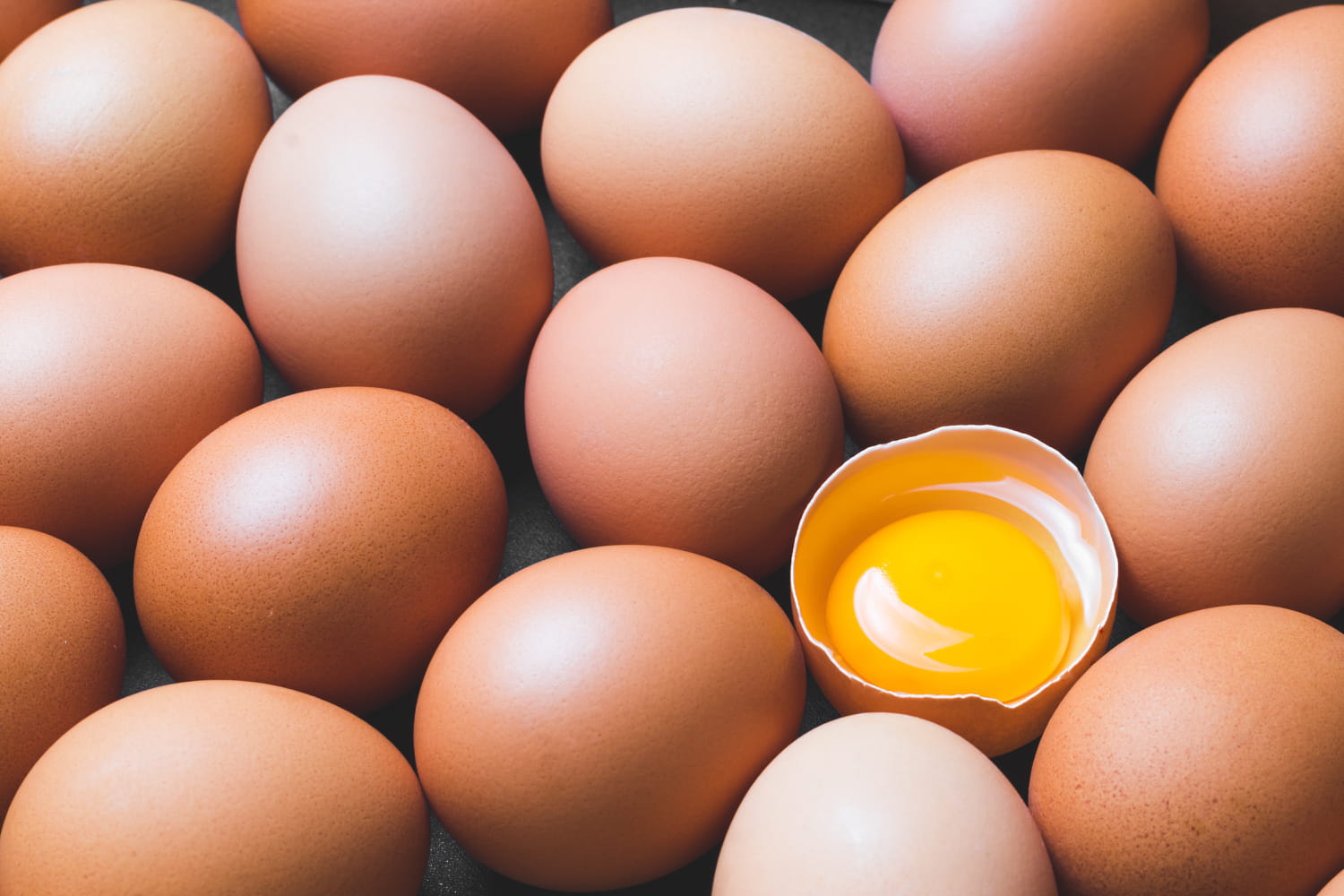
The Nutritional Impact of Eggs: How Many Can You Eat Each Week?
Eggs have long been a staple in many diets worldwide, valued for their nutritional benefits and versatility in cooking. However, they have also faced scrutiny and queries regarding their cholesterol content and its implications for heart health. With the contemporary understanding of nutrition evolving, it’s time to delve into the recent findings concerning egg consumption.
Understanding Egg Consumption Trends
In many countries, including France, eggs are immensely popular, with an average consumption rate of 220 eggs per person per year, which translates to about four eggs per week. Historically, eggs were often viewed with skepticism due to their high cholesterol levels, raising concerns over cardiovascular diseases. This perception has been changing as research indicates a more nuanced understanding of the relationship between eggs and heart health.
Health Insights from Recent Studies
Recent studies have shed light on the complexities surrounding egg consumption. For instance, a 2019 study published in JAMA indicated a slight association between high egg intake and the risk of cardiovascular diseases. However, researchers emphasize that the risk is largely dependent on the quantity of eggs consumed. This means moderation is key.
Recommended Egg Intake
Nutritionists generally recommend that healthy individuals can safely consume one to two eggs per day. Experts like Caroline Farrell, a prominent British nutritionist, and Joffrey Zoll, a researcher from the University of Strasbourg, both support this intake level. It’s essential to note that these guidelines can vary based on individual health conditions.
For those with underlying health issues, such as diabetes or cardiovascular diseases, a more cautious approach is advised. These individuals should aim for a lower intake, typically around 8 to 12 eggs per week, factoring in eggs used in cooking and baking as well.
The Nutritional Benefits of Eggs
Eggs are considered a nutritional powerhouse. They provide essential amino acids that the body cannot produce on its own, along with vitamins B12, D, and A. Notably, eggs are low in calories, offering about 7.5 grams of protein for fewer than 80 calories. This makes them an exceptional choice for those seeking to maintain a balanced diet while managing caloric intake.
Cooking Methods Matter
How eggs are prepared can significantly impact their nutritional profile. As nutritionist Caroline Farrell notes, "the way you cook your eggs can influence their health benefits." Cooking methods that utilize minimal oil or healthy fats, like olive oil, can maintain their nutritional value.
For instance, poached or soft-boiled eggs do not add any additional calories and are thus recommended for those looking to minimize fat intake. Conversely, when preparing dishes like scrambled eggs or fried eggs, it is advisable to use healthier oils, like olive or coconut oil, or even butter—applied with moderation.
Choosing the Right Eggs
Opting for free-range or organic eggs can further enhance their nutritional profile. While there is no dramatic difference in basic nutrition, eggs from hens fed an omega-3 rich diet tend to have higher omega-3 fatty acid content. This is a beneficial addition to one’s diet, especially for those looking to improve heart health.
Conclusion
In conclusion, eggs can be a delicious and nutritious part of your diet when consumed in moderation. Understanding the balance of consumption, how to prepare them healthily, and choosing quality sources can help maximize the benefits they offer. As always, if you have specific health concerns, consulting with a healthcare provider or nutrition expert is recommended to tailor dietary choices to your individual needs.
French people love eggs, with an impressive average consumption of 220 eggs per person per year. That’s over four a week… For decades, eggs have had a bad reputation, accused of promoting heart disease due to their cholesterol content. Today, doctors and nutritionists are providing a more nuanced perspective as studies tend to rehabilitate them.
However, this is not the case for everyone, and doubts remain! A study published in 2019 in the medical journal JAMA concluded that there is still a small link between egg consumption (or other cholesterol-rich foods) and the occurrence of cardiovascular diseases. According to researchers, it all depended on the quantity consumed.
So, what is the recommended limit, and what is the best recipe to take full advantage of eggs? One to two per day, several experts agree, including British nutritionist Caroline Farrell, interviewed by the Daily Telegraph, and Joffrey Zoll, a researcher at the University of Strasbourg, who was consulted by UFC-Que Choisir in 2022.
This figure applies only to healthy individuals. Those suffering from diabetes or cardiovascular diseases, or who struggle to regulate their cholesterol levels, should proceed with caution, indicated the French researcher in 2022. It’s also worth noting that this count includes eggs used in your recipes (cakes or quiches, for example). So, count around eight to twelve eggs maximum per week.
Excellent sources of essential amino acids our bodies cannot produce alone, rich in B vitamins (including B12), D, and A, low in calories but very high in protein (7.5g of protein for less than 80 calories), eggs hold almost all the good cards within a balanced diet. This is also contingent upon cooking them properly to limit fat…
“The way you cook your eggs can affect their nutritional profile,” acknowledges nutritionist Caroline Farrell. However, almost all methods can be healthy if cooked with a minimum of oil or heart-healthy fats like olive oil. Poached or soft-boiled eggs add no extra calories and are therefore recommended if you’re looking to limit fats. For scrambled or fried eggs, which require the addition of oil for cooking or texture, it’s suggested to use good-quality oil (like olive or coconut) or butter at low heat and in moderation.
Lastly, it’s best to choose eggs from free-range or organic hens. While their nutritional profiles may not be significantly different, when hens are fed omega-3-rich foods, their eggs become naturally enriched!
General News – 2