
The Unlikely Rise of Patagonian Olive Oil in Vaca Muerta
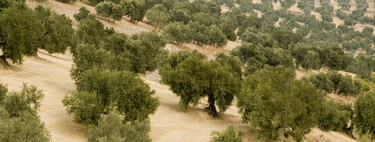
The Vaca Muerta mountain range, located in the remote province of Neuquén, Argentina, spans an impressive 35,000 square kilometers. Known predominantly for being a powerhouse of oil production, this rugged terrain is home to the world’s second-largest unconventional natural gas reserve and the fourth-largest unconventional oil reserve. However, an intriguing shift is occurring: an olive grove is emerging as a player in one of the world’s most competitive olive oil markets, especially that of Spain.
The Clash of Titans: Oil vs. Olive Oil
The foundation of Vaca Muerta’s economy has long been built on oil extraction. However, tensions are brewing among local stakeholders who see potential in diversifying their offerings. This transition encompasses tapping into the lucrative market of extra virgin olive oil (EVOO), which has grown increasingly competitive—especially against traditional producers from regions like Spain.
A New Player Enters the Field: SeNeu Olive Oil
Today, SeNeu is at the forefront of this transformation, producing high-quality extra virgin olive oil in the heart of Vaca Muerta. Utilizing a super-intensive trellis system and focusing on Arbequina and Arbosana olive varieties, SeNeu is yielding promising results that challenge the status quo. Initially, they attempted to brand their oil under their name, but the image of oil from an oil-rich area wasn’t appealing to the market. They wisely pivoted, recognizing the quality of their product and changing their strategy accordingly.
Exporting to Spain: A Shrewd Deal
SeNeu now exports a remarkable 40% of its production to Spain—an impressive feat that positions Argentina as the fifth-largest supplier of olive oil to the country. With the impending implementation of the Mercosur trade agreement, this number is set to grow. Being in the Southern Hemisphere allows Argentina to harvest olives during a different season than Mediterranean countries, giving them a unique and strategic advantage. Their harvests align perfectly with when European reserves are low, providing a valuable resource during unpredictable climate conditions that can plague production.
The Industrial Purpose Behind Spanish Imports
Interestingly, Spain’s appetite for imported olive oil isn’t merely about variety; it serves an industrial purpose. The goal is to standardize supply, stabilize profiles, and maintain a consistent connection to ensure product availability throughout the year. Argentine olive oil can act as a crucial support mechanism for Spain’s olive oil industry, especially during adverse conditions that threaten domestic production.
Argentina’s Growing Olive Oil Potential
Although Argentina currently produces only about 1% of global olive oil, it stands as a net exporter. For Neuquén province, this emerging industry presents a significant window of opportunity. The potential of Vaca Muerta’s olive groves is becoming increasingly evident, as they redefine both local economies and export strategies.
Spain: The Gateway to European Markets
Spain’s role as a marketing powerhouse in Europe elevates Argentina’s position within the international agri-food distribution network. For various products—including olive oil—Spain serves as an essential gateway to broader European markets, enhancing the visibility and reach of Argentine EVOO.
Conclusion: A Complex Future Ahead
The evolution of olive oil production in Vaca Muerta signifies more than just diversification; it highlights an intricate balance of challenges and opportunities in the agricultural landscape. As SeNeu and its peers pivot and adapt, the future of olive oil in this region promises to be dynamic and significant, benefiting both local economies and the broader market landscape.