
The Diminishing Shores of Cape Hatteras: A Crisis Unfolds
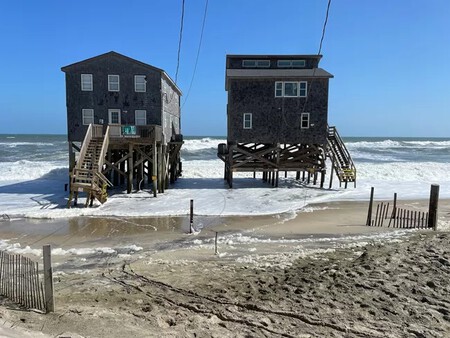
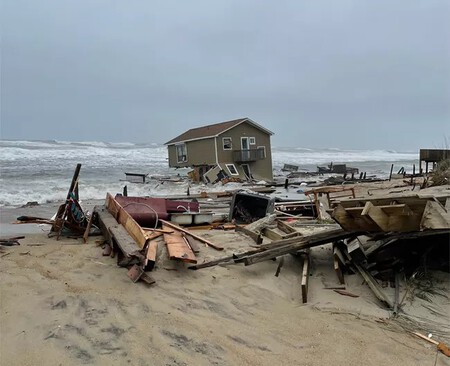
Cape Hatteras, North Carolina, is facing an alarming crisis —one that is literally washing away homes along its picturesque coast. The once iconic chalets, often raised on stilts, have become casualties of rising sea levels and increasingly violent hurricanes, such as *Humberto* and *Imelda*, which recently wreaked havoc in the area. These storms demolished eight houses in a matter of days, transforming the once secure coastal haven into a battleground against nature.
A Coastal Area Under Siege
The destruction unfolded rapidly. On September 30, *Hurricane Humberto* hit Buxton and within an hour, five homes collapsed, followed closely by another three over the next couple of days. These structures, commonly left unoccupied, were struck without warning as the ocean surged with unforgiving force. The Outer Banks , a unique chain of islands, has been resilient against the elements, but the recent hurricanes highlighted significant vulnerabilities.
Why Is This Happening?
The collapses are alarming, but they are not isolated incidents. A review of historical weather data and local news archives reveals that similar tragedies have occurred repeatedly in recent years. Just last year, two homes in *Rodanthe*, another town in the Outer Banks, met the same fate. The overall data indicates that since mid-2020, at least twenty homes have succumbed to the Atlantic’s relentless assault.
The phenomenon of coastal erosion is the primary culprit, exacerbated by climate change. As sea levels rise, the foundation for these homes weakens. Architect Pedro Torrijos notes that Cape Hatteras has become so narrow over the past forty years that many houses are now perilously close to the shoreline, sometimes sitting just above the waves.
Government Response
The situation has prompted authorities to take note. The North Carolina Department of Environmental Quality has reported that out of approximately 8,800 oceanfront structures in the state, 750 are at risk due to eroding coastlines. The National Park Service has also acknowledged the issue, highlighting that these homes, designed in the typical stilt style, face constant danger from severe weather events.
In light of this vulnerability, they have begun to explore options, including structural reinforcements or even the relocation of at-risk homes. Such measures, however, come with significant cost. Recently, the Park Service acquired and demolished two homes in *Rodanthe*, a move intended to open access to the beach, which cost them around $700,000 .
Future Implications
As storms become more severe and sea levels continue to rise, experts predict that incidents like these will not only become more common but also potentially lethal for coastal communities. Rob Young, director of a coastal studies program at Western Carolina University, states, “It’s becoming commonplace.” Additional losses may only be a matter of time, as many properties sit dangerously close to the eroding edge of the Atlantic.
Ultimately, the crisis in Cape Hatteras is not just about the loss of homes; it represents a significantly broader issue of climate resilience and anticipation. Communities may need to rethink living solutions along vulnerable coastlines, balancing public access with the need for safety from the elements. Policymakers face an urgent task to address the challenges presented by climate change, ensuring both historic preservation and human safety can coexist in a rapidly changing landscape.