
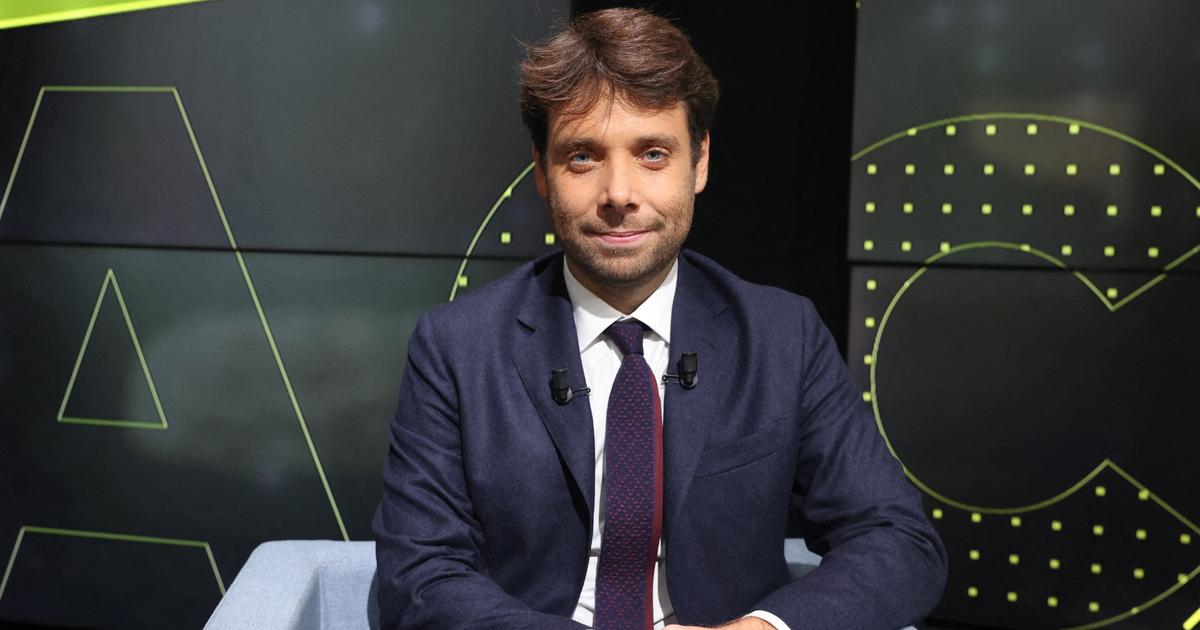
France Inter’s Morning Show Welcomes Benjamin Duhamel: A Controversial Shift in Journalism Roles
In a significant move set to take place this September, Benjamin Duhamel , a prominent journalist from BFMTV , has been appointed to lead the morning political interview segment on France Inter at 7:50 AM. This transition raises eyebrows within the journalistic community, especially among Duhamel’s future colleagues at Radio France, who express concerns about potential conflicts arising from his dual roles in public and private media.
Benjamin Duhamel, known for his role in leading several programs at BFMTV, including “Everyone Wants to Know,” is expected to continue his responsibilities on the news channel while simultaneously taking the helm at France Inter. While he plans to cease hosting his weekly show, “It’s Not Every Day Sunday,” next year, he is slated to keep his evening slot during the upcoming season.
This convergence of roles is prompting backlash from various factions, including the Society of Journalists (SDJ) at Radio France and multiple labor unions. They argue that maintaining dual positions presents an inherent conflict of interest and creates a perception of collusion between public and private news sources.
Critique from Colleagues and Unions
The Société des journalistes and six unions have issued a statement condemning Duhamel’s appointment, emphasizing that it undermines the integrity of public broadcasting. They urge him to make a choice between France Inter and BFMTV. The unions voiced their concerns regarding “editorial conflicts” that may arise and argued that this situation could cultivate a detrimental public sentiment associating media collusion and insider politics .
“France Inter or BFMTV, you have to choose,” they insist, reinforcing a sentiment shared by many in the journalistic sphere who are wary of ambiguous ethical lines. This strong response highlights a deep-seated belief in maintaining demarcations between different media entities, particularly in an era where trust in journalism is increasingly fragile.
In the past, some journalists like Antoine de Caunes and Augustin Trapenard have also navigated dual roles between private and public broadcasters; however, the current atmosphere appears to be more contentious. Commentators are concerned that such a combination could weaken the public’s trust in journalism as a whole.
The Implications of Duhamel’s Move
Experts caution that with Duhamel stepping into a prominent role at France Inter while simultaneously contributing to BFMTV, there could be significant implications for both organizations. The SDJ and labor unions allege that this appointment could lead to a perceived lack of impartiality and fairness—critical elements in the fabric of public broadcasting.
The unions cited the potential for editorial bias and expressed worries about the integrity of news reporting . In their statement, they acknowledged that while collaboration between media outlets can be beneficial, it should not come at the cost of compromised journalism standards.
Communications Response
When approached for a comment, France Inter’s management refrained from providing any statement, illustrating a desire to maintain a low profile amidst rising tensions. This silence has led to further scrutiny and speculation regarding the management’s philosophy on personnel choices within the station.
As discussions surrounding media ethics continue to unfold, the implications of Duhamel’s dual role remain to be fully seen. The journalism community will be watching closely to see how this situation is navigated moving forward and what it means for the future of both France Inter and BFMTV.
The potential melding of profiles in public service broadcasting and private media channels may pave the way for broader conversations about integrity, accountability, and the responsibilities that come with journalistic influence. The outcome of this transition could determine not just the direction of France Inter but also the framework through which journalism in France is practiced and perceived in the modern era.