
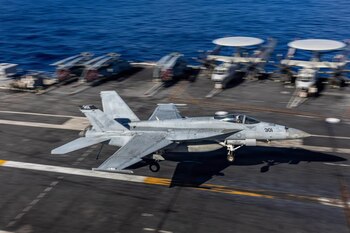
Hegseth Denies Second Caribbean Ship Attack After Survivor Reports
The Secretary of Defense of the United States, Pete Hegseth, has publicly denied any involvement in ordering a second attack on a ship in the Caribbean, following reports that survivors existed from the initial incident. These statements were highlighted by The Intercept, bringing renewed scrutiny to U.S. military operations in the region.
Rising Concerns Over U.S. Military Actions
Global attention on U.S. military operations has surged, particularly against the backdrop of allegations linking Venezuelan President Nicolás Maduro to criminal organizations, including the “Cartel of the Suns.” Such claims have drawn criticism regarding the increasing number of civilian casualties resulting from U.S. military actions. Consequently, multiple governments and international organizations have intensified their examination of the legal frameworks and proportionality used in such military incursions.
The initial assault, which resulted in eleven deaths, has increased diplomatic pressure on the United States to clarify its military target selection mechanisms in the Caribbean and Pacific regions. There are persistent calls for independent audits to ascertain that military operations align with international humanitarian law.
Demands for Transparency and Accountability
Alongside the concerns surrounding military operations, The Intercept reported that international organizations are advocating for external control mechanisms. These calls include a push for updated and publicly accessible information on the legal foundations and targeting protocols that guide U.S. military actions overseas.
Many humanitarian groups, multilateral organizations, and federal legislators echo this sentiment, demanding independent monitoring of military actions and complete disclosure of the consequences stemming from each operation.
The White House Under Pressure
The White House has faced mounting pressure to enhance transparency regarding military operations. Reports indicate formal requests have been made to broaden public access to data related to the legal foundations of military actions and the criteria guiding military operations. This increasing demand for information was amplified by statistical data revealing a worrisome rise in civilian casualties, further sparking debates about the limits of executive authority in military engagements.
U.S. Government Response
In light of these pressures, U.S. government agencies have reassured the public that military operations undergo strict legal scrutiny and consultation with international law experts. Hegseth reiterated that U.S. forces exclusively target entities involved in drug trafficking and adhere to both domestic and international legal frameworks.
Despite the assurances from the Pentagon regarding legal compliance, controversies surrounding the mechanisms used by the U.S. government continue to be a hot topic in legislative and multilateral forums. A notable shift has emerged towards increased openness regarding international oversight of U.S. military deployments.
Moving Toward Independent Oversight
Washington has expressed its readiness to permit independent legal reviews of military deployments and commit to providing detailed reports of its operations in the Caribbean and other active regions. The integration of legal advisors in planning and documenting missions aims to facilitate external supervision of operational protocols.
Conclusion
As the discourse surrounding U.S. military interventions continues, the emphasis remains on legality, transparency, and adherence to international humanitarian law. The ongoing calls for more stringent accountability mechanisms highlight the necessity for the U.S. to navigate its military engagements in a manner that respects fundamental human rights while addressing national security concerns. The evolving situation marks a critical juncture for U.S. military policy and its implications on international relations and human rights standards globally.