
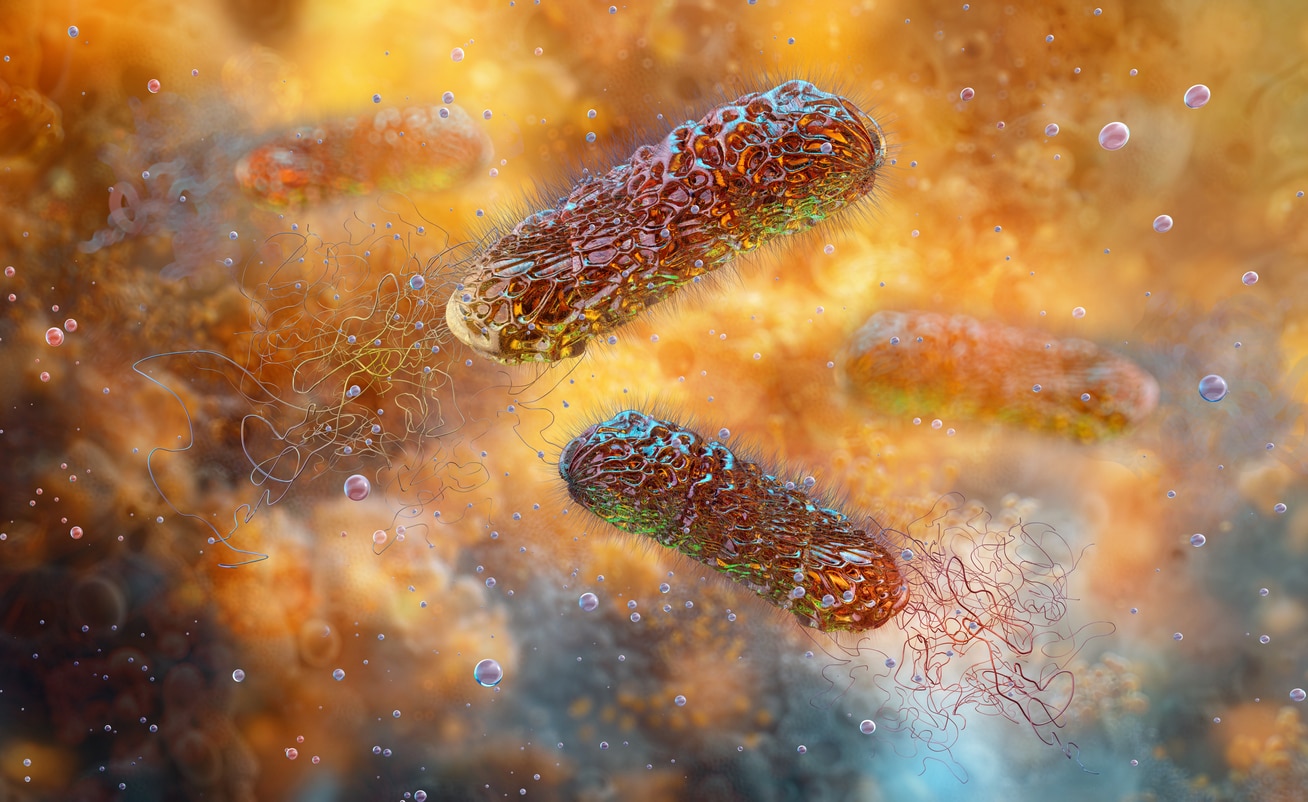
A shocking discovery has surfaced that reveals a “superbug” found frequently in hospitals is capable of feeding on the plastic commonly used in sutures, bandages, and other medical implants. Worryingly, as it digests these materials, it becomes more resistant to antibiotics—an alarming addition to the arsenal of a microbe already responsible for hundreds of thousands of deaths each year.
The Opportunistic Killer with Undiscovered Abilities
The key player in this troubling situation is Pseudomonas aeruginosa, a name that resonates within healthcare circles. This opportunistic bacterium readily infects vulnerable patients, including the elderly, immunocompromised individuals, those on respirators, and patients with medical devices. It targets the lungs, bloodstream, and urinary tract, often causing severe hospital-acquired infections.
What makes it so formidable? Its natural resistance to a vast range of antibiotics combined with exceptional adaptability. The World Health Organization (WHO) lists it among the priority pathogens for new treatment development. Today, a newfound ability gives it a head start in the invisible war against our healthcare systems.
An Enzyme that Turns Implants into Food Sources
Researchers from Brunel University London have identified an enzyme produced by P. aeruginosa, known as Pap1, which is capable of breaking down a common biodegradable plastic: polycaprolactone (PCL). This material is widely used in:
- Stitches for surgical procedures
- Medical equipment
- Wound dressings
In laboratory experiments, scientists confirmed that the bacterium releases carbon while digesting this plastic, subsequently using that carbon as an energy source for growth. In other words, medical devices designed to aid healing can transform into growth substrates for a deadly pathogen.
Plastic as a Microbial Shield
The danger doesn’t stop at the nutritional aspect. Degraded plastic fragments are utilized by the bacterium to form biofilms—organized colonies encased in a protective layer that render microbes nearly inaccessible to antibiotics and immune defenses.
These biofilms are notorious for drastically complicating the treatment of infections. They turn simple contamination into chronic infections that are difficult to eradicate. Thanks to plastic, P. aeruginosa becomes increasingly adept at biofilm formation.
Credit: iStock
Monoclonal antibody treatment in Pseudomonas aeruginosa – isometric view. Credits: Nemes Laszlo/istock
A Capability that May Not be Isolated
Another troubling discovery: while exploring additional genetic databases, researchers identified genes similar to Pap1 in other pathogenic bacteria. This suggests that the ability to digest medical plastics could be more widespread than previously thought, possibly evolving in other species.
This serves as a warning signal for hospitals worldwide: medical plastics, designed for their neutrality and biocompatibility, may have inadvertently become an asset for superbugs.
An Underestimated Threat at the Heart of Modern Care
Modern medicine heavily relies on plastic materials—from intravenous lines to catheters, smart bandages to vascular stents—these materials are omnipresent. Their lightweight, flexible, and biodegradable nature makes them attractive. However, this study disrupts that perception: what if these plastics, instead of being neutral, silently accelerate the proliferation of deadly pathogens in hospitals?
Ronan McCarthy, the lead author of the study, calls for urgent reevaluation:
“We must reconsider the presence of pathogens in hospitals. Plastics could potentially serve as food for these bacteria, which upends our understanding of hospital safety.”
An Urgent Call to Action for the Future of Healthcare
This study presents only the beginning of an answer, but it opens a significant gap in our approach to hospital hygiene. It is critical to:
- Evaluate other medical materials concerning their microbial degradability
- Map the presence of enzymes like Pap1 in hospitals
- Rethink the materials used in implantable devices, incorporating their biological vulnerability
As antimicrobial resistance could become one of the leading causes of global mortality by 2050, any microbial advancement such as this must be taken seriously. The details of the study are published in the journal Cell Reports.