
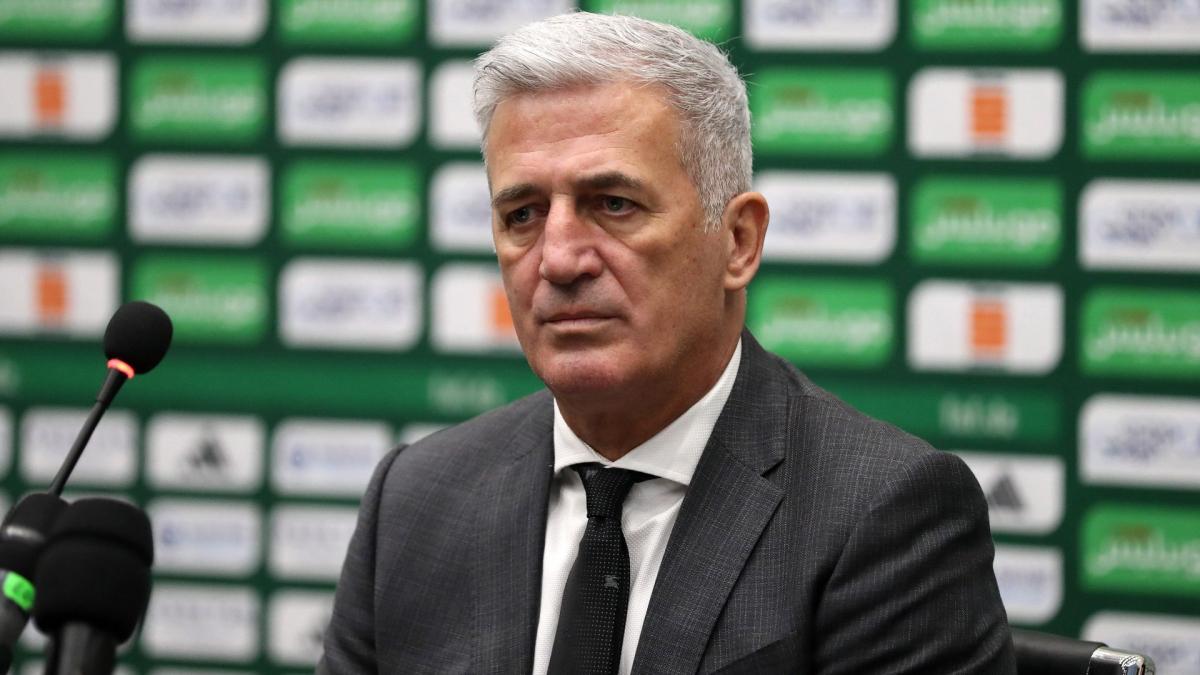
Vladimir Petkovic: Navigating Turbulent Waters as Coach of the Algerian National Team
On February 29, 2024 , Vladimir Petkovic took the helm as the new coach of the Algerian national team , appointed by the Algerian Football Federation to lead the Fennecs in the upcoming African Cup of Nations 2025 and the qualifiers for the 2026 World Cup . This pivotal role followed the notable tenure of Djamel Belmadi , who delivered impressive results during his time. However, shortly after his appointment, Petkovic found himself under severe scrutiny. Over eighteen months into his leadership, he faces mounting criticism, particularly following the national team’s performances during the recent international break in September , where they recorded a 3-1 victory against Botswana but later settled for a disappointing 0-0 draw against Guinea . The team’s style of play has drawn considerable concern among fans and analysts alike.
Criticism from the Algerian Press
The Algerian press has been vocally critical of Petkovic’s strategies and team selections. According to reports from The Fennec Gazette, the coach “seems to have lost his immunity,” highlighting a growing discontent among fans regarding the team’s direction. While Algeria has already secured qualification for CAN 2025, the team’s approach has led to frustration, particularly with how players such as Riyad Mahrez performed during the matches. The general sentiment post-games points to unease among fans, mainly due to the uninspiring brand of football on display.
Further commentary from the media echoes these sentiments, indicating that “the Greens are unrecognizable” under Petkovic’s management. With a year and a half at his disposal, there has been an expectation for him to establish a cohesive game plan, yet the performances against Botswana and Guinea left much to be desired. The critique intensified, noting that beyond results, the style of play remains concerning.
Persistent Issues in Player Selection
The latest draw against Guinea has aggravated fans and sports pundits not only due to the result but primarily because of the prevailing issues surrounding player selection. Critics argue that Petkovic has been overly committed to players who have not been meeting their potential. Notable names like Aouar , Zerrouki , Benrahma , and even captain Mahrez have struggled to justify their positions in the lineup. This “stubbornness” may hinder the emergence of a more dynamic team, as younger talents such as Badreddine Bouanani , Hadj Moussa , and Ibrahim Maza are sidelined despite performing well in their respective clubs.
Reports from DZ Foot align with these concerns, questioning Petkovic’s decision-making. Observers noted a comparison with former coach Belmadi, stating that the coach’s ultra-conservative approach does not adapt to the evolving dynamics of modern football. The tension surrounding player loyalty and strategic decisions reflects a wider sentiment: there is a necessity for rejuvenation within the squad if Algeria is to succeed in future competitions.
The Team’s Response to Criticism
<pDespite the discontent, internal sources suggest that the team remains united amid external pressures. Reports indicate that players appreciate the support of their teammates, even as Petkovic struggles to connect with the fans. Many believe that the perceived disconnect stems from his lack of engagement and the repetitive nature of his press conferences, which have alienated a passionate fan base. The 62-year-old coach faces a critical juncture; his upcoming strategies in the next international gatherings will be pivotal leading into CAN 2025. If the team continues to flounder, he risks being viewed as a liability rather than a leader.
As time progresses, the situation will necessitate a thoughtful balance of respecting experience while fostering the talents of emerging players. Petkovic’s ability to adapt will define not only his tenure as coach but also the future of the Algerian national team. Fans and analysts alike are keenly watching to see how he responds to the mounting pressure and whether he can steer the Fennecs back to their once-prominent place in African football.