
The Current Situation of Hostage Negotiations in Gaza
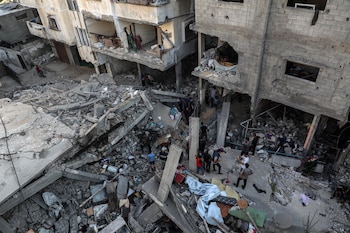
The Islamic Resistance Movement, more commonly known as Hamas, has recently made headlines with its announcement regarding hostage negotiations with the Israeli authorities. This strategic move comes amid ongoing conflicts that have escalated tensions in the Gaza Strip. With reports indicating that around 57,700 Palestinians have died as a result of the latest Israeli offensive, the humanitarian situation in Gaza has reached critical levels.
The latest statements from Hamas suggest that they have agreed to release ten Israeli hostages as part of a broader negotiation strategy aimed at achieving a ceasefire. According to an official statement, the group has shown “necessary flexibility” in these negotiations, emphasizing that the discussions revolve around key issues such as the flow of humanitarian aid, the withdrawal of Israeli occupation forces, and securing guarantees for a lasting ceasefire.
Humanitarian Crises and its Implications
The humanitarian crisis in Gaza has reached alarming proportions. The ongoing Israeli offensive was initiated in response to attacks on October 7, 2023, which resulted in approximately 1,200 deaths and around 250 individuals taken hostage, according to the Israeli government. These events have significantly amplified the human toll on the Palestinian population, leading to widespread suffering and displacement.
Hamas has described its current efforts as “intense and responsible,” aimed at reaching a comprehensive agreement that not only ends the ongoing aggression but also facilitates the flow of humanitarian assistance into Gaza. They have expressed commitment to working with mediators, stressing the importance of overcoming obstacles that are impeding progress in negotiations.
Challenges in Negotiations
However, the negotiation landscape is complicated. The group claims that although there have been “positive signs,” challenges persist, primarily due to what they characterize as the intransigence of Israel. Hamas has emphasized that they are determined to navigate these complexities to ensure a brighter future for the Palestinian populace, filled with hopes of freedom, security, and dignity. The organization’s continual focus on establishing “genuine guarantees” speaks to their desire for a multifaceted resolution that addresses the root causes of conflict.
The human cost of this conflict is profound, affecting families and communities across Gaza. Basic necessities such as food, medical supplies, and safe shelter are increasingly hard to come by. The Palestinian authorities have decried the scale of the devastation, raising fears that the reported death toll could be underestimated. The international community has begun to take notice, with calls for urgent humanitarian intervention becoming louder.
The Road Ahead
Moving forward, it is essential for all parties involved to recognize the stakes. The ongoing violence and loss of life can only exacerbate an already dire situation, leading to deeper divides between communities and prolonging any potential resolution. Creating a pathway toward peace requires not only mediation but also serious commitment from all sides to prioritize human rights and the protection of civilians.
The dialogue is not merely about territorial disputes; it encompasses a broader conversation about human dignity and the right of individuals to live free from fear and violence. The hostage negotiations are a critical component of this larger framework, aimed at establishing a ceasefire that can serve as a foundation for lasting peace and the rebuilding of lives.
Public sentiment surrounding the conflict remains divided, and the internal tensions within both Israeli and Palestinian societies complicate the negotiation process. Still, the possibility of a significant breakthrough—one that leads to an enduring ceasefire and improved humanitarian conditions—remains a shared aspiration among many.
As international observers and humanitarian organizations call for urgent assistance, the need for transparency and accountability in these negotiations is essential. Being open to dialogue and compromise could ultimately provide the key to averting further tragedy in the region.
The present moment is a pivotal one. With complexities layered over decades of conflict, there lies a flicker of hope that through robust negotiations, there may come a solution that alleviates the suffering of thousands while paving the way for peace and stability in the region.