
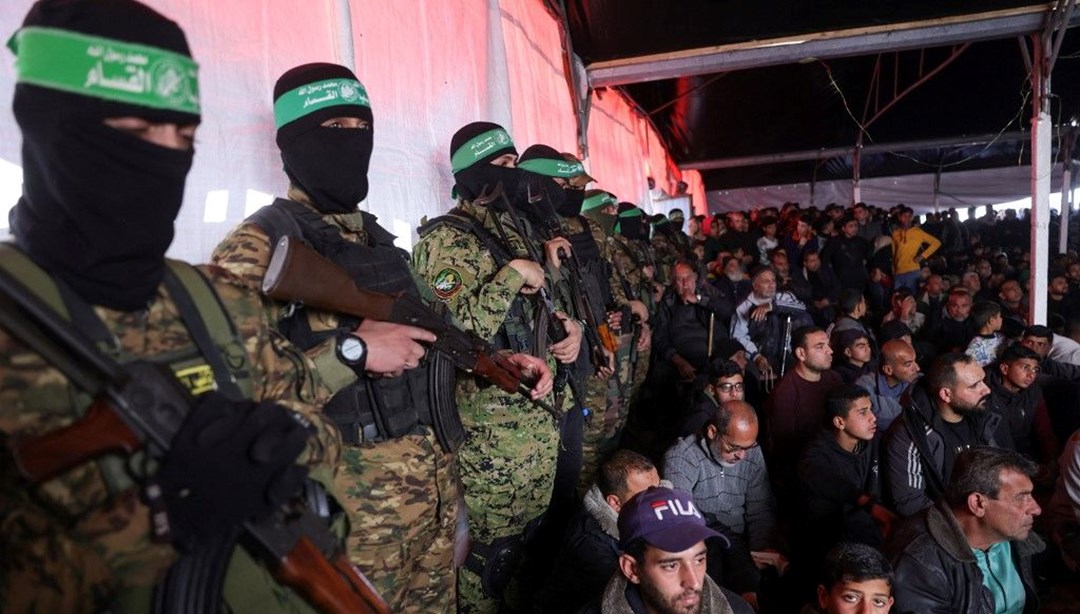
Israel’s Military Challenges: A Critical Perspective by Amit Halevi
In a shocking turn of events, Amit Halevi, a member of the Likud Party in Israel and a former member of the Knesset’s Foreign Affairs and Security Committee, opened up about the ongoing military operations against Hamas in the Gaza Strip. His candid remarks highlight the grave reality that nearly 54,000 civilians have lost their lives in these confrontations, illustrating the human cost of the conflict. Halevi confesses that Israel is unable to achieve a decisive military victory over Hamas.
Questioning Military Strategy
In a recent interview with Yedioth Ahronoth, Halevi discussed the government’s tactics in the conflict, openly criticizing its management of a now almost two-year-long military campaign that he characterized as unplanned. His assertion that "the government has deceived us with a deceitful war" emphasizes his call for transparency regarding the ongoing state of conflict in the region.
The significance of Halevi’s comments lies not only in their content but also in the political ramifications they carry. This special mention resonates particularly as Halevi was removed from his committee position largely for his dissenting opinions about the ongoing operations against Gaza. He noted that his political stance was at odds with that of the Defense Minister, Yisrael Katz, who criticized his supportive remarks towards the opposition.
The Nature of Current Warfare
In his poignant reflections, Halevi articulated that the argument could no longer be framed in conventional military terms. He pointed out the "insurmountable chasm" that exists between Israel and its enemies. Unlike past conflicts where military strategy and victory were clear-cut, the present conditions yield terms like collapse, fragmentation, and damage, rather than outright defeat.
Halevi went further to explain that Israel had previously managed to navigate its military conflicts with a roadmap for victory. The current inability to neutralize Hamas sends a glaring warning signal to both the public and policymakers; it necessitates a re-evaluation of strategies being employed.
The Consequences of Military Inaction
As military action continues, the civilian toll bears testimony to the failures in military strategy and the inherent complexities of urban warfare in Gaza. Halevi emphasized that the disproportionate impact on non-combatants has become an alarming ethical and moral dilemma for Israel. He insisted that the continued military operations have only exacerbated the humanitarian crisis in the region.
When asked about accountability, Halevi lamented that despite being tasked with overseeing government and military actions, he often received evasive answers to his probing questions. This lack of accountability and transparency is troubling for any democratic society, accompanied by the ethical questions surrounding the use of force in densely populated regions like Gaza.
The Political Climate in Israel
The current political climate in Israel is fraught with tension and division. Halevi’s words echo the sentiments of many who find themselves conflicted over military decisions that result in irrevocable loss of life. With an increasing number of voices questioning government decisions, Israel faces mounting pressure to reassess its strategies in dealing with Hamas and Gaza as a whole.
The growing opposition against the government’s military campaign may serve to fracture existing support for the current regime. In political landscapes marred by conflict, such dissent often strikes at the very core of a nation’s identity and purpose, making leadership strategically more complex than it has been in the past.
The Humanitarian Angle
The humanitarian costs of war cannot be overlooked. Halevi’s frank acknowledgment of the civilian casualties is a call to action for international observers and policymakers alike to intervene and assess the effects of prolonged military engagements. The tragic loss of life adds a compelling layer to the political discourse, arguing for a possible alternative approach to resolving the long-standing conflict.
Advocating for a humanitarian perspective can be incredibly influential in shaping both public opinion and governmental policy. In addition, it raises the fundamental question about the ethical responsibilities of a state engaged in military actions against its own citizens and those of its adversaries.
Conclusion
In light of Amit Halevi’s remarks, it is evident that Israel’s military campaign against Hamas has entered a phase that is increasingly scrutinized both inside and outside its borders. The challenges Israel faces in formulating an effective military strategy are compounded by its ethical and humanitarian responsibilities. As the conflict persists, the dialogue surrounding it must evolve to consider the personal toll, the political repercussions, and the overarching need for long-term peace strategies that prioritize human life over military prowess.