
## Controversy on the Pitch: Beye Takes Aim at Létang After Rennes-Lille Match
The recent meeting between Stade Rennais and Lille OSC in Ligue 1 ignited a storm of controversy surrounding the performance of the match officials. The match took a drastic turn when referee Eric Wattelier handed a red card to Lille’s Alexsandro almost immediately after kickoff. This contentious decision sparked outrage among Lille players and officials, notably President Olivier Létang, who openly criticized the referee’s choice with exclamations of, “You know what you did! It’s a shame! It’s a scandal!”
### Reaction from the Coaches
In the wake of the match, emotions were running high. Bruno Genesio, the coach of Stade Rennais, was so incensed by the events that he chose to skip the customary post-match press conference. His frustration echoed the sentiments expressed by Lille’s Thomas Meunier, who also lambasted the officiating. Wattelier later defended his decision in an interview, stating that the expulsion was necessary to prevent a clear goal-scoring opportunity as M. Embolo was approaching the goal with the ball.
### Beye’s Firm Stance on Leadership Presence
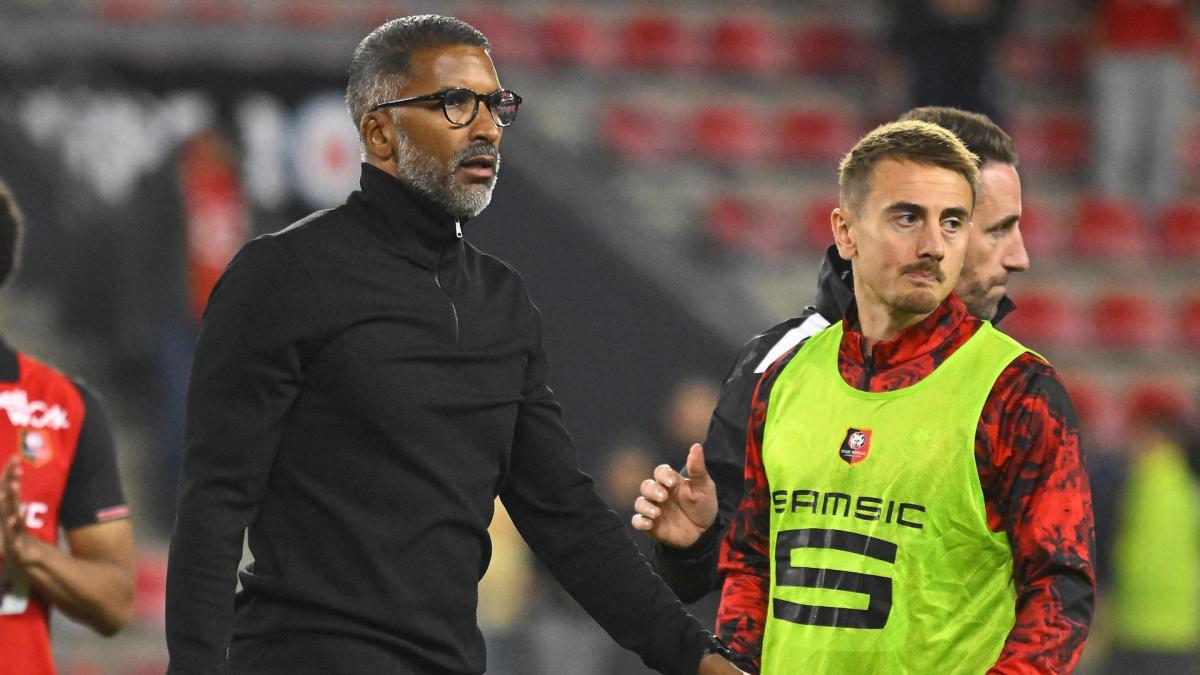
Amid the uproar, Stade Rennais’ coach Habib Beye voiced his strong opinions on the emotional reactions from club leaders like Létang. He emphasized that the pitch should be primarily for players and staff, arguing against the influence and pressure that club executives could exert during such high-stakes moments. Beye asserted, “For me, the pitch belongs to the players on the pitch… it should belong today to the players, the staff, and no one else.”
This statement underscores Beye’s belief that leaders need to exercise restraint during matches to ensure that officials can engage with the game without added pressure. Beye is no stranger to criticism of refereeing; however, he maintains that frustrations should be held in check to preserve the integrity of the sport.
### The Need for Support for Referees
Beye also tackled what he perceives as a broader issue affecting Ligue 1: the relationship between club leadership and match officials. He argued, “Our referees don’t need that, they need to be supported.” Acknowledging that he, like other coaches, finds himself frustrated by poor officiating, he stressed the importance of acknowledging that such outbursts do not aid the context of the match.
He concluded with a clarion call for unity in recognizing the challenges faced by referees, emphasizing that fostering a supportive atmosphere benefits everyone involved in the sport.
### Conclusion
The aftermath of the Rennes-Lille match has opened a wider conversation about the conduct of club leaders during matches and the pressing need to support referees in their decision-making processes. As Beye navigates his role as coach, his insistence on preserving the sanctity of the pitch might just spark a necessary shift in dynamics for the betterment of French football.