
In today’s digital age, navigation applications have become essential tools for millions worldwide. Two of the most popular platforms are Google Maps and Apple Maps. While both serve the same fundamental purpose—providing navigation and mapping solutions—they differ significantly in accuracy , usability , and features . Choosing between them often depends on the operating system, user preferences, and unique needs.
Launched in 2005, Google Maps has undergone sustained growth, becoming a global reference for mapping solutions. Its frequent updates ensure it remains the preferred choice for many users across both Android and iOS platforms. In contrast, Apple Maps made its debut in 2012. Initially faced with criticism due to inaccuracies, it has significantly improved over the years, aiming to set itself apart through integrations within the iOS ecosystem and continuous user experience enhancements.
Many users decide which app to use based on factors like availability across different systems, the speed at which information is updated, and the accuracy of suggested routes. Consequently, this article will confront these two applications, analyzing their key strengths and weaknesses.
Availability and Compatibility
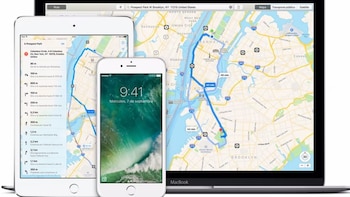
Google Maps is available on Android, iOS, and web platforms, allowing users of any device brand to access its functions, personalized routes, and maps from anywhere. Apple Maps, however, is limited to iOS, iPadOS, and macOS devices, restricting its reach to Apple users. For those who switch platforms or share trips with users of different systems, Google Maps provides significantly more flexibility and synchronization options.
User Experience and Design
Both applications offer clean and straightforward interfaces, but each has its approach. Google Maps prioritizes clear visualization of relevant information and allows users to overlay features like real-time traffic, bike lanes, public transport, or points of interest. Navigation among menus and destination searches are typically efficient and direct. Conversely, Apple Maps stands out with a more aesthetic and visually refined design, integrated with specific Apple functionality like Siri and Handoff. Its 3D mode and smooth transitions when changing routes enhance the experience for those who appreciate visual sophistication.
Accuracy and Data Updates
Google Maps excels in the quantity and quality of data collected, utilizing a vast database generated by millions of users. This enables near-instant updates regarding construction, accidents, closures, and detours, greatly enhancing the reliability of suggested routes and estimated arrival times. Although Apple Maps has made significant strides in the US and Europe, some regions still lack detailed information or experience delays in traffic updates.
Additional Features
Google Maps provides extra tools such as personalized recommendations, place reviews, transport service integration, and the ability to save favorite places. Apple Maps offers features like ‘Look Around’ for 3D city exploration, accident reporting, and enhanced privacy controls. Navigation options for walking, biking, driving, or public transport exist in both applications, though their availability and support can vary by region.
Privacy and Data Usage
Users prioritizing privacy might find Apple Maps more appealing, as it emphasizes limiting personal data collection. All navigation information is processed on the device without associating it with individual accounts, while Google Maps tracks user activity and history if they have enabled this feature. Regarding data consumption, both applications utilize similar amounts when loading maps and routes; however, Google Maps might require more real-time connection due to constant information updates.
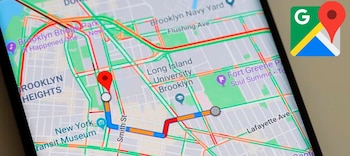
- Both Google Maps and Apple Maps allow users to create routes easily and offer multiple alternatives for reaching a chosen destination. Upon searching for an address, the two applications display various route options, making it convenient to select the desired path.
- Both platforms permit the addition of multiple stops in the same journey, allowing users to add new destinations, reorder them, and adjust the sequence of stops based on personal needs.
- Route configuration is also customizable. With both applications, users can avoid tolls, select areas they wish to bypass, and tailor the trip to their personal preferences.
- Real-time traffic information is available in both options, helping users to anticipate jams or unexpected delays and choose quicker alternatives.
- Both Google Maps and Apple Maps provide users the ability to report incidents on routes, such as accidents or traffic jams, ensuring that other users stay informed regarding roadway conditions.
- Finally, both applications display weather and air quality data, aiding users in staying informed before venturing out and during their journey.