
OpenAI Unveils Atlas: A Revolutionary AI-Powered Browser
OpenAI continues to innovate with its latest offering, Atlas, a groundbreaking browser that integrates ChatGPT, promising to transform the way we navigate the internet. With Atlas, OpenAI is set to challenge Google’s monopoly on search engines, providing an experience where ChatGPT takes center stage. Having tested the free version, I’ve gathered insightful impressions that showcase this new browser’s potential.
Goodbye Google, Hello ChatGPT
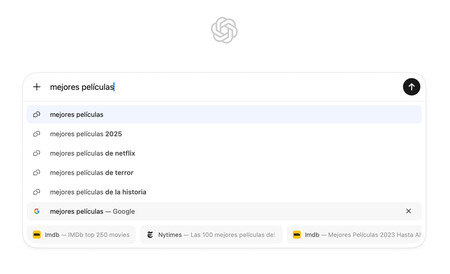
Atlas’s distinctive approach removes the need for traditional search engines. Upon launching the browser, users find no trace of Google; instead, ChatGPT serves as the sole assistant. While users can still conduct searches through Google, this option is somewhat obscured, making it evident that OpenAI wants to shift our searching habits from a conventional search approach to an interactive conversation.
For instance, typing “best movies” leads to recommendations directly from ChatGPT, with the option to consult Google tucked away at the bottom of the suggestions. This reimagines search queries into conversational prompts, setting the stage for engaging interactions while browsing.
Available at Your Fingertips: Ask ChatGPT
One of Atlas’s standout features is its always-available ChatGPT assistant. Situated in the upper right corner, this button opens a sidebar where users can obtain supplementary information about the web pages they are visiting. For example, if you’re contemplating purchasing a new router, ChatGPT can swiftly clarify compatibility with existing devices, ensuring a smooth shopping experience.
Imagine this scenario: while browsing an e-commerce site for routers, you can quickly inquire about the specific model’s compatibility without leaving the shopping page. This feature is particularly useful when searching for specialized items like shoes or electronics, as ChatGPT understands context and can provide tailored recommendations.
Organizing Your Travels: An AI Companion
Planning a trip also becomes an effortless endeavor with Atlas. Though some advanced features, such as hotel booking, are exclusive to the Plus version, the free version allows users to utilize ChatGPT’s abilities while searching. While exploring accommodation options in Andorra, I sought alternative destinations near Valencia. ChatGPT offered insightful recommendations, highlighting nearby places along with potential attractions.
Memory and Tab Management: The Future of Browsing
Beyond the basic functionalities, one of the most alluring aspects of Atlas is its memory capability. Users can revisit tabs simply by using natural language queries. Forgotten websites are no longer a source of frustration; instead, a quick inquiry about “that leopard pair of sneakers” can lead you back to previously viewed pages.
While I tested this memory feature, it successfully retrieved all relevant tabs during my research sessions. This not only streamlines the browsing process but also allows users to consolidate their research effectively. The ability to clean up unneeded tabs with a simple request significantly alleviates the clutter often associated with digital browsing.
Privacy Considerations: An Essential Aspect
However, with great power comes responsibility. By default, ChatGPT monitors your browsing activity, which, while beneficial for summarizing pages or clarifying concepts, poses privacy concerns. To prevent ChatGPT from accessing sensitive information—such as passwords or banking details—users must adjust settings manually. This capability helps ensure that your private browsing remains secure while still benefiting from AI assistance.
Atlas: A Compelling Alternative to Chrome
As a former user of Comet, another innovative browser, I didn’t initially find Atlas revolutionary. The experience felt familiar, with a learning curve dedicated to navigating ChatGPT, Google searches, or URL entries. OpenAI’s intent is clear: users are encouraged to communicate with ChatGPT consistently.
Though there are instances when ChatGPT may not provide accurate information, such as failing to verify router compatibility, its user-friendly interface and the large ChatGPT user base offer compelling advantages. Furthermore, as Atlas runs on Chromium, users can seamlessly incorporate existing Chrome extensions, enhancing personalization.
A Competitive Edge in a Rapidly Evolving Landscape
As Google attempts to integrate AI features into its search capabilities, OpenAI is proving that it can outpace established players. OpenAI’s incorporation of ChatGPT into browsing brings forth a new competition that could redefine our digital experience.
In conclusion, while Atlas may have its limitations, its features position it as a substantial competitor against Chrome’s dominance. As the digital landscape continues to mature, browsers like Atlas could pave the way for revolutionary changes in how we interact with information online, while ensuring user-friendly experiences remain a focal point. The integration of AI in browsing marks just the beginning of an exciting new chapter in our digital journey.