
The Wastewater Crisis in Gibraltar: A Historical Overview
In 1999, Gibraltar took a significant step by transposing the Directive 91/271/EEC concerning urban wastewater treatment. This marked a historic moment, signaling a commitment to improving environmental standards in the region after centuries of dumping sewage into the bay of Algeciras. However, following this promise, the Gibraltar government surprisingly failed to take any meaningful action.
Revelations of Inaction
According to an investigation by Rachel Salvidge for The Guardian, it became apparent shortly after the UK-EU Treaty that Gibraltar was ill-equipped to meet its European environmental obligations. This lack of preparedness has persisted, raising questions about the efficacy of the policies in place.
Why No Wastewater Treatment Plant?
One glaring question arises: how can such a strategically important location like Gibraltar lack essential infrastructure that even small European municipalities have successfully implemented? The answer involves a combination of technical challenges and political shortcomings.
Technically, Gibraltar’s existing flat network uses seawater for flushing toilets, complicating the biological treatment of wastewater. While this practice is not unique—countries like Hong Kong and the Californian island of Santa Catalina have similar systems—it does hinder the establishment of effective sewage treatment facilities.
Past Attempts and Failures
Over the last 25 years, Gibraltar has attempted to implement wastewater treatment systems on two occasions, both of which failed to come to fruition. The most recent proposal, funded by the European Investment Bank, fell through after Brexit impacted financial backing, leaving the project in limbo.
The Broader Context: A Regional Issue
The failures are not exclusive to Gibraltar. The European Commission has also highlighted wastewater management problems in neighboring regions, including the Línea de la Concepción. While Spanish authorities have initiated improvements on their side, Gibraltar remains limited in its efforts to upgrade its wastewater infrastructure and only employs basic screening and roughing systems.
Environmental Concerns
The ongoing sewage crisis poses a significant environmental threat to one of the most unique ecological areas in the western Mediterranean. This region is crucial for common dolphins, bottlenose dolphins, and common porpoises, serving as an essential migratory route for various marine species.
Is There Any Hope for a Solution?
As of June 2025, another wastewater treatment project is yet to break ground, giving the appointed company five years to start operations. Given this timeframe, the systems are unlikely to be operational anytime soon. Additionally, with the enforcement of stricter European regulations, doubts remain about whether the planned facility will meet compliance standards.
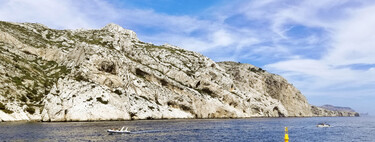
Meanwhile, Punta de Europa continues to thrive as a natural paradise, yet beneath the surface lies a pipeline carrying waste from over 30,000 residents. The race against time is ongoing, highlighting the pressing need for effective solutions to Gibraltar’s wastewater crisis.
Image Credit: Michael Mrozek