
Germany’s Military Support for Ukraine: A New Commitment
Germany has reaffirmed its position in supporting Ukraine with a robust military aid package worth five billion euros. This renewed commitment is an important step as the Russian-Ukrainian conflict escalates, and Germany aims to bolster its defense ties with Ukraine and its European allies.
The Details of the Commitment
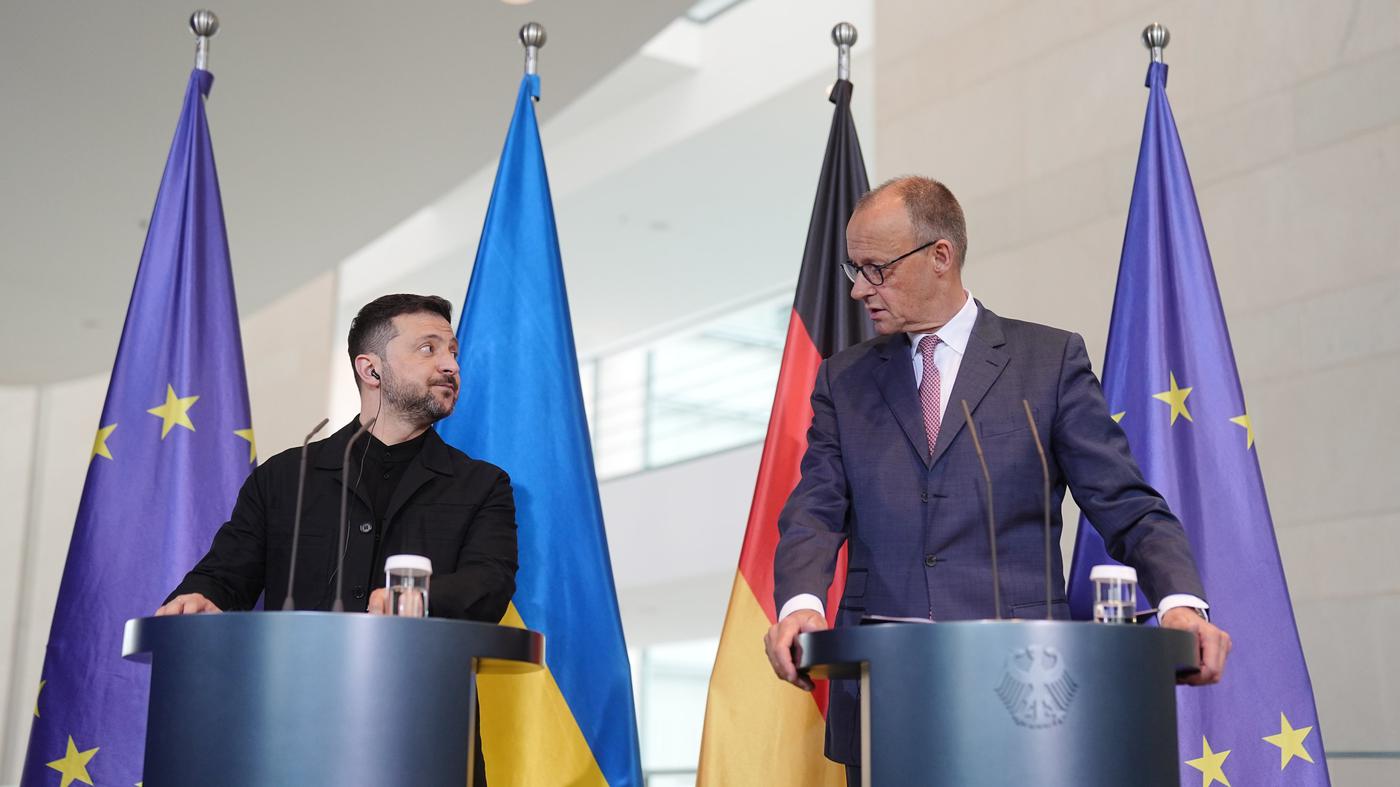
The German government announced the financial backing during a significant meeting with Ukrainian President Volodymyr Zelensky in Berlin. Following the meeting, Germany’s Defense Minister Boris Pistorius confirmed that the funding will derive from resources that the Bundestag has previously approved. The announcement highlights the ongoing collaboration between Germany and Ukraine to strengthen defensive measures against Russian aggression.
A Strategic Meeting
The high-profile meeting featured Chancellor Merz and President Zelensky discussing not only military support but also the possibility of closer economic cooperation. One crucial aspect of the meeting was the signed letter of intent between the two countries’ defense ministers, signaling the beginning of a shared understanding for future arms production and procurement.
Zelensky emphasized the need for long-range weapons, specifically asking for Germany to consider providing the Taurus cruise missiles. This was a notable mention, as these systems could significantly enhance Ukraine’s ability to defend itself from Russian strikes.
Germany’s Role in European Security
As a key player in European defense, Germany’s actions are closely watched by both allies and adversaries. The commitment to provide military support serves multiple purposes—it not only aids Ukraine but also ensures Germany maintains its standing within NATO and amongst European partners.
Public and Political Reactions
The announcement was met with mixed feelings. While many support Germany’s active role in aiding Ukraine, there is concern regarding potential retaliation from Russia and the escalation of the conflict. Critics have raised questions about whether such support could provoke further aggression from the Kremlin.
In direct contrast, Russian officials were quick to label Germany’s commitment as irresponsible, claiming it would only serve to prolong the conflict. Dmitry Peskov, Kremlin spokesperson, accused Germany of provoking the continuation of war by increasing military supplies to Ukraine.
Strengthening Ukrainian Defense Capabilities
With the additional support, Ukraine aims to enhance its military capabilities significantly. During the press conference, it was reiterated that the German government will assist Ukraine in acquiring advanced arms not just from Germany but from various European partners.
Future Collaboration
In an effort to solidify this partnership, an upcoming meeting between representatives from German businesses and Ukrainian officials will explore opportunities for joint projects in defense and other sectors. The possibilities of creating Ukrainian weapon systems with the help of European technology were particularly underscored as a strategic initiative for Ukraine’s defense future.
Moreover, both nations have shown a keen interest in expanding military production capabilities beyond existing frameworks. This opens the door for joint military exercises and technological exchanges that could help Ukraine better prepare for any future adversities.
The Challenge of Finding a Diplomatic Solution
Despite Germany’s commitment to strengthen its military support for Ukraine, there remains the ongoing challenge of seeking a diplomatic resolution to the conflict. As tensions rise, both countries recognize that diplomatic channels must remain open to facilitate potential negotiations for peace.
A Fine Balance
Chancellor Merz has stressed that it is crucial not only to put pressure on Russia but also to create avenues for dialogue. Achieving this balance is essential for stabilizing the region and halting further loss of life due to military confrontations.
Conclusion
The landscape of European security is changing as Germany steps up its support for Ukraine amidst an ongoing conflict. The new commitment of five billion euros marks a significant turning point in NATO alliances and roles within Europe. Both Germany and Ukraine aim to fortify their military relationship while exploring economic collaboration as a pathway to a more secure future.
Die Bundesregierung hat der Ukraine weitere militärische Unterstützung in Höhe von fünf Milliarden Euro zugesagt. Die Finanzierung des Unterstützungspakets erfolgt durch Mittel, die der Bundestag bereits bewilligt hat, wie das Bundesverteidigungsministerium am Mittwoch in Berlin mitteilte.
Die Zusage erfolgte während eines Besuchs des ukrainischen Präsidenten Wolodymyr Selenskyj in Berlin, Verteidigungsminister Boris Pistorius (SPD) traf sich zudem mit seinem ukrainischen Kollegen Rustem Umerow. „Wir werden unsere militärische Unterstützung fortsetzen und sie ausbauen“, sagte Merz auf einer gemeinsamen Pressekonferenz mit Selenskyj.
Deutschland werde die Ukraine bei der Beschaffung weitreichender Waffen unterstützen, sagte Merz. Hierzu gebe es eine „Absichtserklärung“ zwischen den Verteidigungsministern beider Länder, die am Nachmittag unterzeichnet werde. „Wir wollen auch gemeinsame Produktionen ermöglichen“, sagt der Kanzler, wollte sich jedoch nicht zu Details einzelner Waffensysteme äußern, auch nicht zur Debatte um den Marschflugkörper Taurus.