
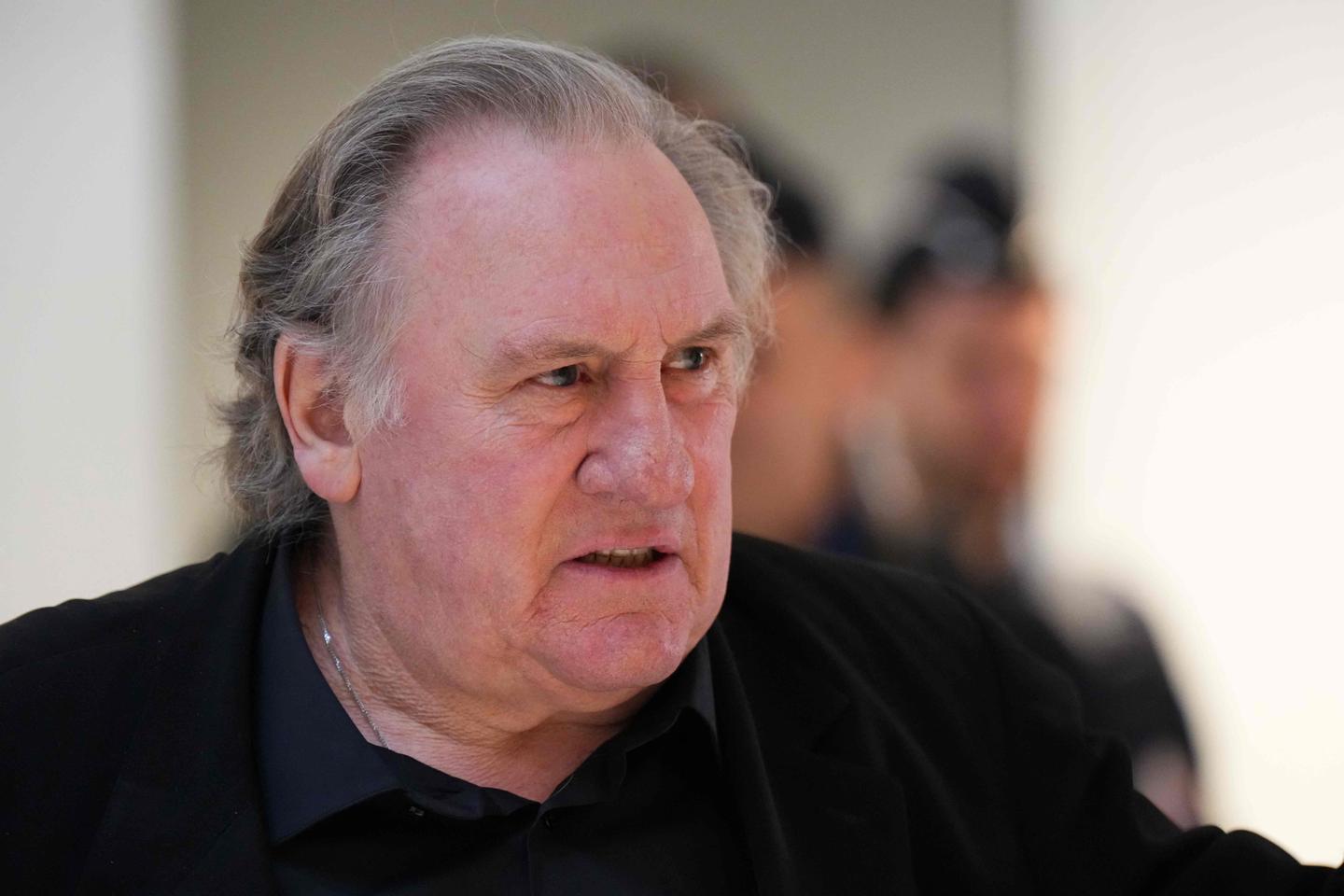
Gérard Depardieu: A Legal Battle at the Cannes Film Festival
The Cannes Film Festival, celebrated for its glitz and glamour, this year opened under a cloud of controversy. Renowned French actor Gérard Depardieu has been sentenced for sexual assault, casting a shadow over what should be a joyous occasion for filmmakers and cinephiles alike.
Court Ruling: A Suspended Sentence
On May 13, the Paris court delivered its verdict, handing Depardieu an eighteen-month suspended prison sentence. The charges stemmed from incidents involving two women during the filming of "Green Shutters", directed by Jean Becker, in September 2021. This sentence raised significant concerns about celebrity accountability and the broader implications for gender relations within the film industry.
Victims’ Testimonies: Confronting the Truth
At the court hearing held in late March, the victims, who opted to remain anonymous, presented their testimonies. The first victim, Amélie, a 54-year-old decorator, described moments of intimidation and violation. She recounted how Depardieu, positioned on a machinist cube between shooting scenes, coaxed her to approach and subsequently ensnared her with his legs, blending intimate touches with her body inappropriately.
The second victim, Sarah, a 34-year-old assistant to the director, provided multiple accounts of unwanted advances, detailing episodes where Depardieu touched her buttocks and chest. She recalled one particular incident vividly, taking place on the streets of Paris, where she found herself alone with him after escorting him from his lodge to the filming set.
Depardieu’s Defense: A Denial of Accusations
In stark contrast to the testimonies, Gérard Depardieu vehemently denied all allegations leveled against him. He claimed that his interaction with Amélie was merely an attempt to assist her after she reportedly injured herself while working. His defense focused on the assertion that the circumstances presented by Sarah were implausible due to his health limitations. Depardieu stated he could not have possibly traversed the distance from his lodge to the film set alone, as he was always accompanied by a member of his security team.
The Cultural Impact of High-Profile Cases
This case shows that the fight against sexual assault is not limited to lesser-known individuals but extends into the realms of fame and power. Depardieu’s conviction is significant; it sends ripples through the film industry, urging others to treat such allegations seriously, regardless of an accused individual’s status.
As the ripple effects reverberate through Cannes, many are curious to observe how this conviction might influence societal attitudes toward high-profile figures and their behavior, particularly in creative spaces where power dynamics can lead to exploitation.
The Broader Context of Misconduct in Entertainment
Hollywood and international film industries have been rife with accusations of misconduct and abuse, especially following the #MeToo movement. The participation of those in the spotlight, like Gérard Depardieu, highlights the urgent need for creators and audiences alike to revisit the frameworks of consent and respect. There is a critical need for fostering environments where all industry stakeholders feel safe.
Audience Reaction and Industry Reflection
The audience’s reaction to this judgement is mixed. While many applaud the legal system for holding a prominent figure accountable, others express concerns that celebrity culture might overshadow the voices of victims who continue to suffer in silence. Furthermore, there is palpable tension among fans who find it difficult to separate an artist’s work from their personal misdeeds.
A Call for Change
This moment at the Cannes Film Festival is not just about a celebrity’s downfall but a crucial opportunity for the film industry. It must reflect and confront the ongoing challenge of harassment and abuse within its ranks. Dialogues about consent, boundaries, and safe working environments must become commonplace, ensuring that all voices, especially those of the vulnerable, are heard and respected.
Moving forward, the industry must enforce stricter guidelines for conduct on set and ensure procedural protections for all personnel involved in the filmmaking process. Only through collective efforts can change materialize in real terms, thereby safeguarding future generations from the shadows of past transgressions.
Conclusion: A Complicated Legacy
The ramifications of Gérard Depardieu’s conviction pose challenging questions for all of us. As the Cannes Film Festival continues, it must also serve as a platform for reflecting on the future of the industry—a future that ideally champions safety, respect, and inclusivity. While the actor’s legacy remains complicated, the hope is for a day when the artistry of film can be celebrated without the stain of personal misconduct overshadowing it.