
The Humanitarian Crisis in the Gaza Strip: A Dire Situation
The Gaza Strip is currently grappling with a humanitarian crisis of unprecedented severity. Recent reports highlight a staggering death toll due to hunger, which has surpassed 200 individuals, including many innocent children. The situation has escalated in the wake of the Israeli offensive initiated on October 7, 2023, further compounding the difficulties faced by an already beleaguered population. As the conflict continues, the humanitarian implications are felt starkly throughout the enclave.
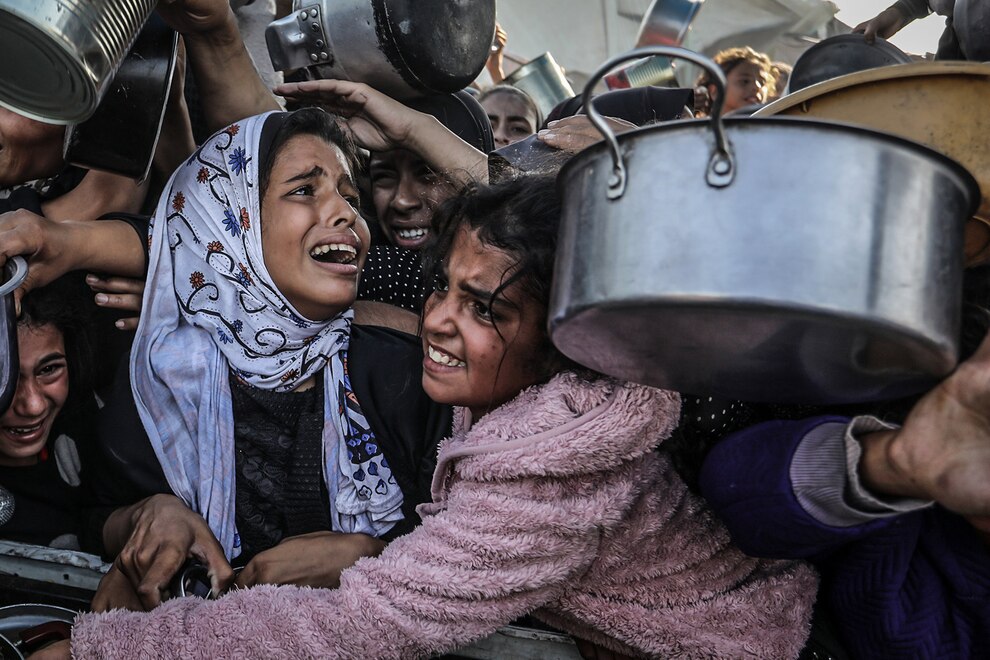
The Gazati Health Ministry recently disclosed alarming statistics: at least 201 people have died from hunger, a heartbreaking statistic that includes 98 children. These deaths are attributed to the ongoing conflict and blockade, which have severely restricted access to basic necessities such as food and medical supplies. In addition to the deaths, around 152,359 individuals have been injured since the escalation of violence, with countless more suffering in silence.
Escalation of Violence and Human Suffering
This recent flare-up is not an isolated incident; it follows a prolonged period of violence that began after a fragile ceasefire agreement was broken in January. Since the resumption of the offensive on March 18, a staggering 9,824 lives have been lost, with another 40,318 injured. The relentless nature of these attacks has left families shattered and communities in ruins, exacerbating the humanitarian catastrophe unfolding.
The Gazati authorities continue to document the human toll in the ongoing struggle for survival. The waiting lines for humanitarian aid have become a grim reality, with 1,772 deaths reported among individuals waiting for assistance. Recent updates indicate that this includes an additional 16 fatalities along with 250 people injured in a recent surge of violence.
Moreover, organizations like the International Red Cross Committee (ICRC) have reported that their health teams in Rafá, southern Gaza, have treated more than 4,500 wounded patients since May 27. Many of these patients were injured while seeking basic necessities, illustrating the desperate conditions many face in their pursuit of aid.
The Role of International Aid Organizations
International aid organizations such as the United Nations Relief and Works Agency for Palestine Refugees (UNRWA) have amplified their calls for urgent action. Philippe Lazzarini, the General Commissioner of UNRWA, highlighted the grave situation in a recent address, describing the scenes in Gaza as “dystopian.” According to Lazzarini, “These cruel dystopian scenes are the new standard in Gaza, where people have been devalued and dehumanized.”
The ongoing famine in the Gaza Strip is not merely a statistic but a devastating reality that impacts thousands of vulnerable children. Lazzarini and other humanitarian leaders are urgently calling for the lifting of the blockade to restore a humanitarian response that can effectively meet the needs of the population.
The demands for a coordinated response under the auspices of the UN are essential to ensure safe and dignified access to humanitarian aid. The overwhelming need for international cooperation and support has never been more critical, as the plight of Gazan residents becomes increasingly dire.
Conclusion
As the world watches the catastrophic situation unfold in Gaza, the urgent need for increased humanitarian assistance and international solidarity is paramount. The plight of the innocent victims caught in this violence should compel us to advocate for immediate, sustained efforts to provide relief and restore dignity. The ongoing struggles faced by children and families in the Gaza Strip must ignite action and compassion from the global community, for the time to act is now. Through collective efforts, there is hope for alleviating the suffering and rebuilding lives ravaged by conflict.