
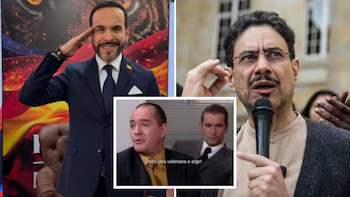
Memes and Politics: A Recap of Colombia’s Election Day
The election day on May 31, 2026, captured not just the political atmosphere of Colombia, but also the humor and creativity that unfolded across social media. With Abelardo de la Espriella and Iván Cepeda Castro leading the votes, the day was filled with both anticipation and levity as citizens used humor as a coping mechanism amidst the electoral tension.
The Role of Humor in Political Discourse
On this pivotal day, while official results were being shared by the National Registry, thousands of Colombians turned to digital platforms to express their thoughts through memes. These memes encapsulated the mood of the nation, using humor to translate collective anxiety into relatable content. Phrases like “Inés, a valerian or something!” emerged as social media trends, echoing references to popular Colombian shows like Ugly Betty. One meme humorously stated: “Paloma with Álvaro Uribe when he loses: Doctor, forgive me,” perfectly blending political commentary with cultural references.
Cultural References: From Ugly Betty to The Simpsons
The creativity did not stop with mere phrases. Memes referencing iconic TV shows became a staple during this election. For example, the line “Me, seeing the results of the presidential elections” utilized a famous quote from Ugly Betty, where the character, Hugo Lombardi, expresses disdain at a “pathetic spectacle.” Such references not only brought laughter but also grounded the public’s reaction in a shared cultural context.
Additionally, The Simpsons found its way into the discourse. Memes featuring Bart Simpson’s catchphrase, “Give the damn presidency to Abelardo,” highlighted the humorous rivalry between the candidates. These creative engagements provided an emotional release while also allowing people to critique the political landscape.
The Influence of Social Media
Social media platforms like Twitter, Instagram, TikTok, and Facebook buzzed with posts that illustrated citizens’ feelings of anxiety and uncertainty regarding the election results. Moments during the media coverage sparked commentary, leading to more memes about the strained expressions and exhausted voices of analysts.
The public’s digital presence became a canvas for collective feelings, each new meme representing a barometer of how the nation was reacting, not only to political outcomes but to the very act of participating in democracy.
The Double-Edged Sword of Memes
While the memes served as an escape and a way to engage in political commentary, they also raised concerns about misinformation. Some posts distorted facts or took quotes out of context, heightening the need for digital literacy among users. As humorous as they were, some memes could mislead viewers, prompting a call for critical engagement with the information.
Conclusion: The Digital Reflection of Democracy
As of May 31, it became evident that Colombian elections are not limited to votes cast at polling stations. The online space has burgeoned into a vibrant platform for political discourse, where humor plays a crucial role in staying engaged and informed. It shows that citizens are not just keen on participating in democracy but also want to share their experiences, often in the most light-hearted way possible, even in times of tension. In a country where emotions run high during elections, memes act as an effective intrinsic part of the political conversation, embodying both seriousness and wit.