Surge in Fresh Food Prices Drives Inflation in Colombia (2026)
In 2026, Colombia witnessed a significant surge in fresh food prices, leading to notable inflationary pressures. Oxford Economics identified this spike as primarily influenced by adverse weather conditions, logistical disruptions, and rising labor costs. These factors contributed to a cumulative inflation of 22% for the year, revealing the intricate relationship between food prices and overall economic conditions.
Regional Context: Inflation Across Latin America
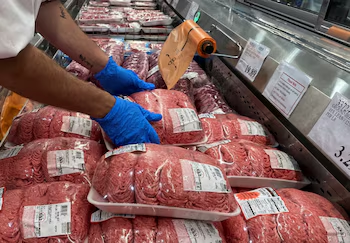
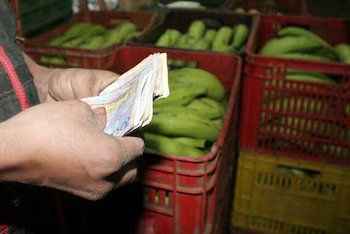
In comparing inflation across Latin America, Colombia’s situation aligns with troubling trends seen in Mexico and Peru. The report indicates that food prices accounted for 63% of inflation in Mexico and 35% in Peru. In Colombia, the primary contributors to food inflation were fresh produce, specifically fruits, vegetables, and meats.
Impact of Climate on Food Prices
The volatility in food prices, particularly in fruits and vegetables, has historically made them sensitive to climate issues. For Colombia, the onset of a strong rainy season significantly disrupted the distribution of goods, further exacerbating price increases. Recurring blockages along key freight routes contributed to logistical challenges that hindered the smooth transit of agricultural products.
Economic Implications of Rising Food Costs
The structural indexation of labor costs has played a pivotal role in elevating food inflation. This confluence of climatic challenges, transportation issues, and internal costs has resulted in steep price increases in the fresh food basket. While the current inflationary trend is concerning, it remains below the extreme levels experienced in 2022, nonetheless causing significant anxiety across various Latin American economies.
Future Projections of Food Prices
Oxford Economics anticipates that the recent price upticks may not be enduring. Historical trends suggest that spikes in prices are often followed by corrections, particularly in the realm of fruits and vegetables. The firm highlights that agricultural markets tend to adjust cyclically, which may offer some relief in the coming months.
International Factors Influencing Colombia’s Agricultural Landscape
The regional agricultural context has been further complicated by geopolitical factors, such as the conflict in Iran, which has led to increased energy and fertilizer prices. Oil prices surged to USD 118 per barrel in early 2026, raising concerns about agricultural production costs. However, the firm notes that fresh food price spikes have been largely driven by climate and logistics rather than international input costs.
As of late 2026, analysts predict a moderation in oil prices, which may alleviate some pressure on fertilizer costs and, consequently, the agricultural supply chain. Nevertheless, the interplay of various factors, including the duration of international conflicts and market dynamics, will continue to shape the cost structure for agricultural producers in Colombia and beyond.
The Path Forward
Colombian farmers’ responses to securing inputs before geopolitical turmoil will greatly impact future food prices. Adjustments made in the agricultural sector, especially regarding grains and agro-industrial inputs, will have ripple effects felt throughout the food supply chain, influencing prices for consumers. Understanding these trends is essential for stakeholders aiming to navigate the complexities of the agricultural economy.