
Regulating Digital Spaces: A Controversial Move by Germany’s Education Minister
Bildungsministerin Karin Prien will digitale Plattformen stärker regulieren. FDP-Vize Wolfgang Kubicki hält das für einen autokratischen Ansatz. Wer „krude“ Positionen einschränke, habe den Kern der Meinungsfreiheit nicht verstanden.
What constitutes sharp criticism, and when does it morph into hate against politicians? This question lies at the heart of the ongoing debate over free speech on digital platforms like Facebook, X, and TikTok. Recently, FDP Vice President Wolfgang Kubicki criticized Education Minister Karin Prien (CDU) for her stance on regulating these platforms to stem the tide of harmful content.
During the re:publica digital conference in Berlin, Prien advocated for stronger regulation of digital platforms, stating, “Let’s not kid ourselves. Regulation is unavoidable if we want to save our liberal, democratic system.” Her comments aimed at youth conveyed the urgency of the situation, yet raised eyebrows among critics.
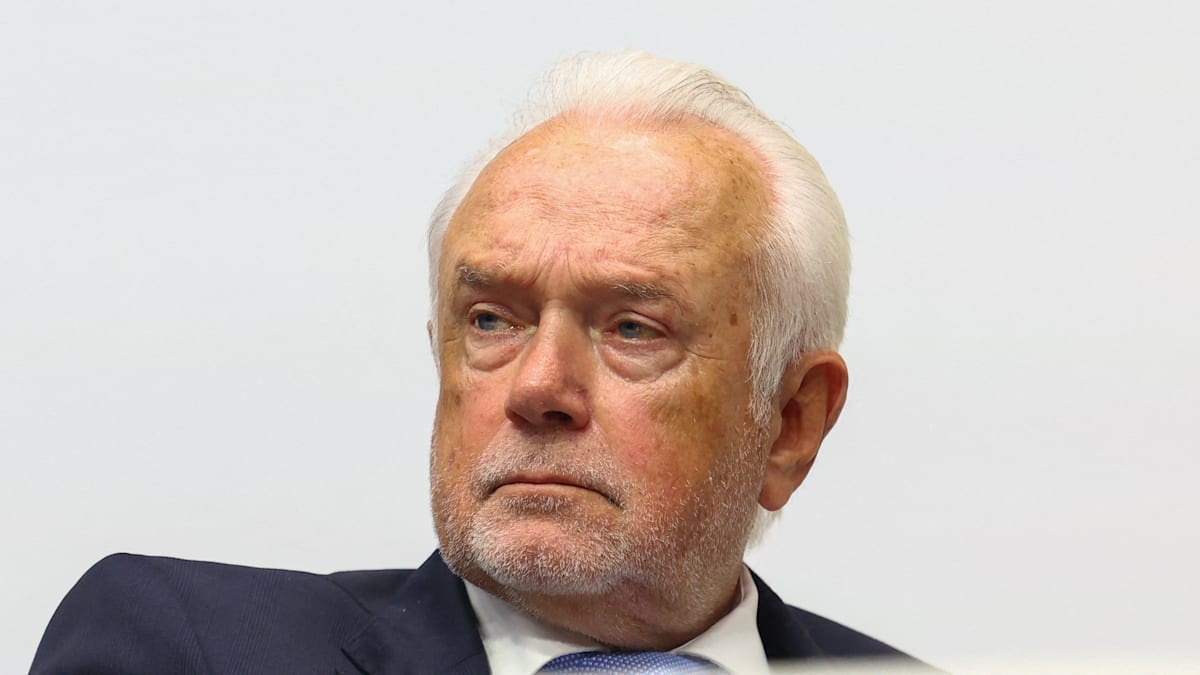
Kubicki, however, dismissed Prien’s approach as misguided. In a post on X, he remarked, “Those who think authoritarian tools can save liberal democracy are already lost in their quest.” He pointed out that using government intervention to manage public discourse threatens fundamental freedoms. “The enforcement of law on social media is necessary, but those who believe they can steer public debate because some opinions are ‘crude’ misunderstand both the essence of free speech and the role of democratic leaders in opinion battles,” the 73-year-old politician asserted.
The ambiguity surrounding what Prien means by “increased regulation” adds further complexity to the conversation. Currently, platforms are already obligated to combat hate speech and misinformation under the European Union’s Digital Services Act. The EU Commission has initiated several procedures against platforms deemed non-compliant, drawing the ire of the US government, which recently announced visa restrictions for those involved in this “censorship.”
Prien substantiated her argument by pointing out the misuse of social media by extremists, both on the far-right and far-left. She emphasized that these groups exploit platforms to disseminate their radical theories and attempt to sway particularly young individuals. “Extremists thrive on polarization, aiming to dismantle liberal democracy,” Prien stated forcefully.
At the same time, she advocated for creating channels of communication with individuals who seem to be drifting away from liberal values or losing trust in the democratic order. While acknowledging certain “red lines,” such as Holocaust denial and inhumane rhetoric, Prien implored for continued dialogue. “A nuanced debate must remain possible, not just in physical spaces but also in social networks,” she maintained.
sebe mit epd
The tension between necessity and freedom remains a central theme in this ongoing discourse. As authorities consider enhanced oversight of digital platforms, the implications for free speech and democratic dialogue warrant careful examination. Finding a balance between constraining harmful ideologies and preserving the foundational principles of a democratic society presents a formidable challenge. In navigating this complex landscape, it is essential to remember that open dialogue is a cornerstone of any healthy democracy. Balancing dialogue and accountability in digital spaces could pave the way for a more informed and engaged citizenry, ultimately strengthening the values that both Prien and Kubicki espouse.