
The Ongoing Saga of TV Rights Management in French Football
The intricate world of TV rights management remains a pivotal issue for the survival of many clubs in French football. After a tumultuous year marked by dramatic shifts in the hierarchy of Ligue 1, the League’s governing body, the LFP, has decided to take a major leap forward by launching its own TV channel, Ligue 1+. This strategic move is fraught with challenges, as it may take two years before clubs can reap the financial benefits of this investment, leaving many teams in a precarious position.
Last year’s chaotic spring saw a notorious confrontation among Ligue 1 clubs and Vincent Labrune, the then-president of the LFP. The fallout from that meeting has not subsided, and there is an undercurrent of discontent among club leaders that continues to simmer. Key figures such as Joseph Oughourlian, the president of RC Lens, and John Textor, who faced severe criticism for his management decisions at Olympique Lyonnais, have voiced their frustrations.
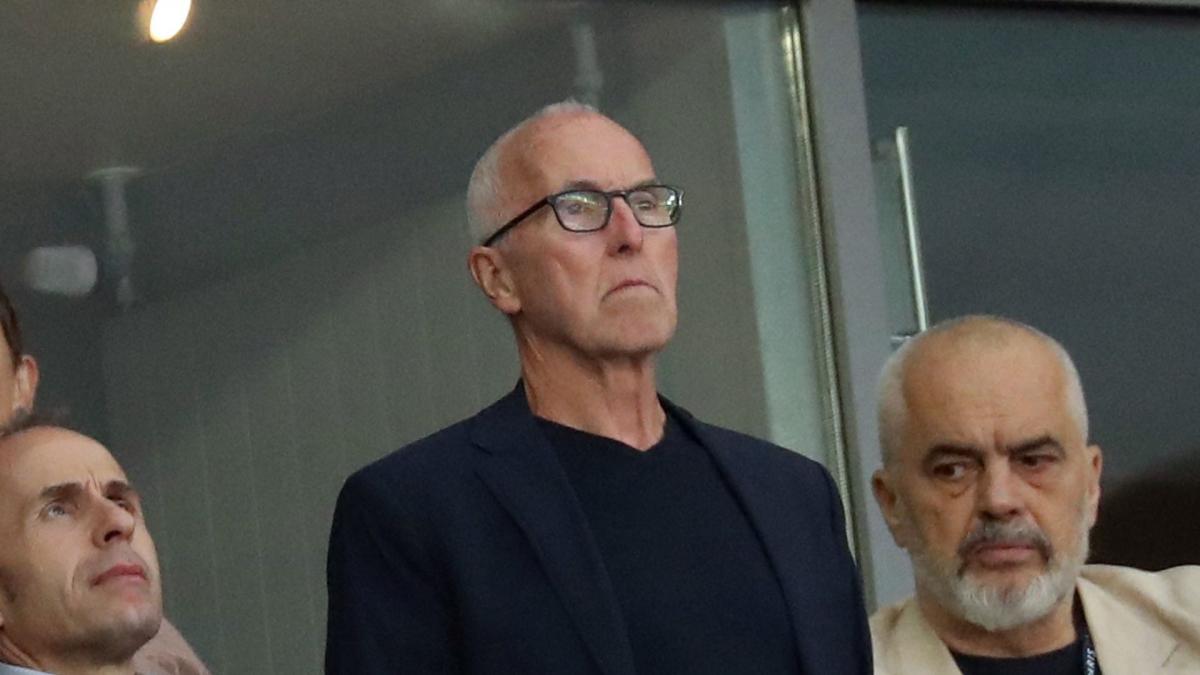
Today, Oughourlian has garnered support from an influential ally: Frank McCourt, the owner of Olympique de Marseille. McCourt has been criticized for his silence throughout the tumultuous years but has recently emerged to publicly express his dissatisfaction with the state of French football governance. In an exclusive interview with Le Figaro, he stated, “It has been nine seasons that I am engaged in the club. Since my arrival, I have heard a multitude of unfulfilled promises. The league is also fully managed financially. While French football has so many assets and so much to offer, its governance is opaque and ineffective and its management absent. That’s enough.”
Criticism of League Management
The timing of McCourt’s statements could not be more critical. His support reinforces Oughourlian’s allegations about financial mismanagement and lack of foresight within the LFP. The primary focus of McCourt’s critique centers around Vincent Labrune’s ongoing leadership. Despite criticism from various quarters, Labrune has managed to maintain his position, often through strategic alliances, including one with Nasser Al-Khelaïfi, the president of Qatar Sports Investments, which owns Paris Saint-Germain.
McCourt implicitly holds Labrune accountable for the dire financial state of Ligue 1 clubs. Even if he did not name him, his message was unmistakable. By citing Nicolas de Tavernost, the former head of M6 who successfully launched Ligue 1+ with impressive subscriber numbers, McCourt highlights what effective management should look like.
“We need a strong and healthy league. Today, everything is managed in an emergency and done at the last minute,” McCourt articulated. He noted the staggering loss of €1.3 billion experienced by French football in the past year and questioned the competency of the current management team: “Which company would accept such results by retaining the same management?”
Furthermore, McCourt poignantly pointed out how these financial shortcomings impact the day-to-day operations of clubs. “We had guaranteed certain TV rights levels. Based on this, clubs built their budgets and made sometimes multi-year commitments. But these projections have not been respected, and today, the clubs suffer the consequences directly.”
The Future of Ligue 1
As the drama unfolds in Ligue 1, it’s clear that the stakes could not be higher. The survival of smaller clubs is increasingly at risk due to mismanagement and lack of foresight from the LFP. In a sport heavily reliant on television rights revenue, the current crisis poses questions not only about governance but also the economic viability of league competition in the future.
It’s also worth considering the broader implications for fans. The ongoing disputes and managerial failures ultimately trickle down to the supporters, who invest not just monetarily but emotionally in their clubs. The dilemma over TV rights affects not only finances but fan engagement, access to matches, and the overall health of French football.
With key actors like McCourt and Oughourlian rallying for change, the pressing need for reform in the governance of French football has never been more apparent. Whether the LFP can adapt to these criticisms and evolve into a more effective organization capable of steering Ligue 1 back towards its former glory remains to be seen.
As the league grapples with these challenges, the voices demanding accountability will only grow louder. The future of French football hangs in the balance, and the path forward will require not just strong management but also a unified approach to nurturing the wealth of talent and passion that defines the sport in France.