
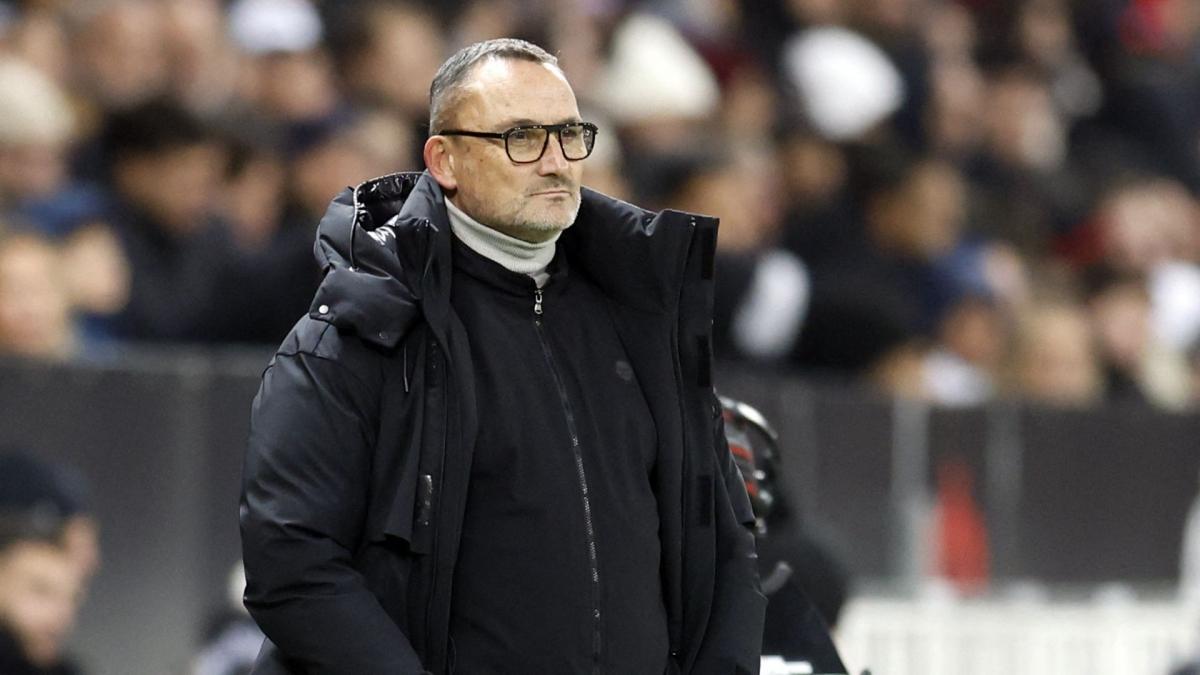
Franck Haise Stands Firm Amid Player Aggression in OGC Nice’s Turmoil
OGC Nice’s Recent Chaos
OGC Nice is currently navigating a crisis marked not only by poor results on the pitch but also unsettling incidents involving player aggression. Reports detail troubling scenes where players, rather than fans, faced violence. Franck Haise, whose future with the club appeared uncertain, has chosen to remain and address these issues head-on.
In a revealing interview with l’Equipe, Haise elaborated on the severity of the situation. His statements reflect a frustration over the lack of accountability for the incidents involving his players, particularly Boga and Moffi, despite official reports from local authorities dismissing claims of violence.
Haise’s Strong Response
During the interview, Haise emphasized the reality of the situation, stating, “We cannot hide what happened.” He stressed that there were indeed players who were injured, pointing out that the club’s medical reports indicated serious injuries with days of incapacity for treatment (ITT). He stated, “We don’t have 5 and 7 days of ITT by chance.” This personal testimony challenges the narrative provided by local officials and showcases the disparity between administrative responses and the players’ experiences.
Haise highlighted the impact of the violence not just on those physically harmed but also on the team’s morale. “Even those who weren’t hit are shocked,” he reiterated. His strong stance reflects a commitment to advocate for his players and address the broader concerns of safety and respect within football.
The Unsettling Environment
The incidents are symptomatic of a more significant problem in football culture where aggression has been increasingly tolerated. Haise’s concerns extend beyond the immediate threats, posing questions about player welfare. He provocatively asked, “What would have happened if a guy had reacted?” This discourse points to the psychological toll such violence can take on players, leading them to question their safety in what should be the sanctity of the pitch.
Additionally, Haise described disturbing scenes of individuals arriving “hooded, with pétanque balls,” questioning their intent and emphasizing the bizarre nature of the aggression. His words serve as a stark reminder of the importance of authenticity and accountability in sports.
The Road Ahead
As Franck Haise continues to lead OGC Nice, his refusal to undermine the gravity of these incidents places him in a pivotal role. His commitment to the safety and well-being of his players may catalyze a change in how aggression is addressed within the sport. Moreover, Haise’s statements reflect broader societal issues surrounding violence and accountability that extend beyond the football field.
It remains to be seen how this situation will unfold, but Haise’s determination suggests he will advocate for the necessary changes, hoping that one day, the environment will improve for players and staff alike. The need for a cultural shift in football is clear, and figures like Haise are essential in driving that change.
Conclusion
In moments of turmoil, strong leadership can make all the difference. Franck Haise’s principled stand amid the aggression faced by his players not only highlights the urgent need for accountability but also serves as a testament to his dedication to creating a safer environment within football. The unfolding narrative at OGC Nice may very well serve as a microcosm of the necessary changes facing the sport today.