
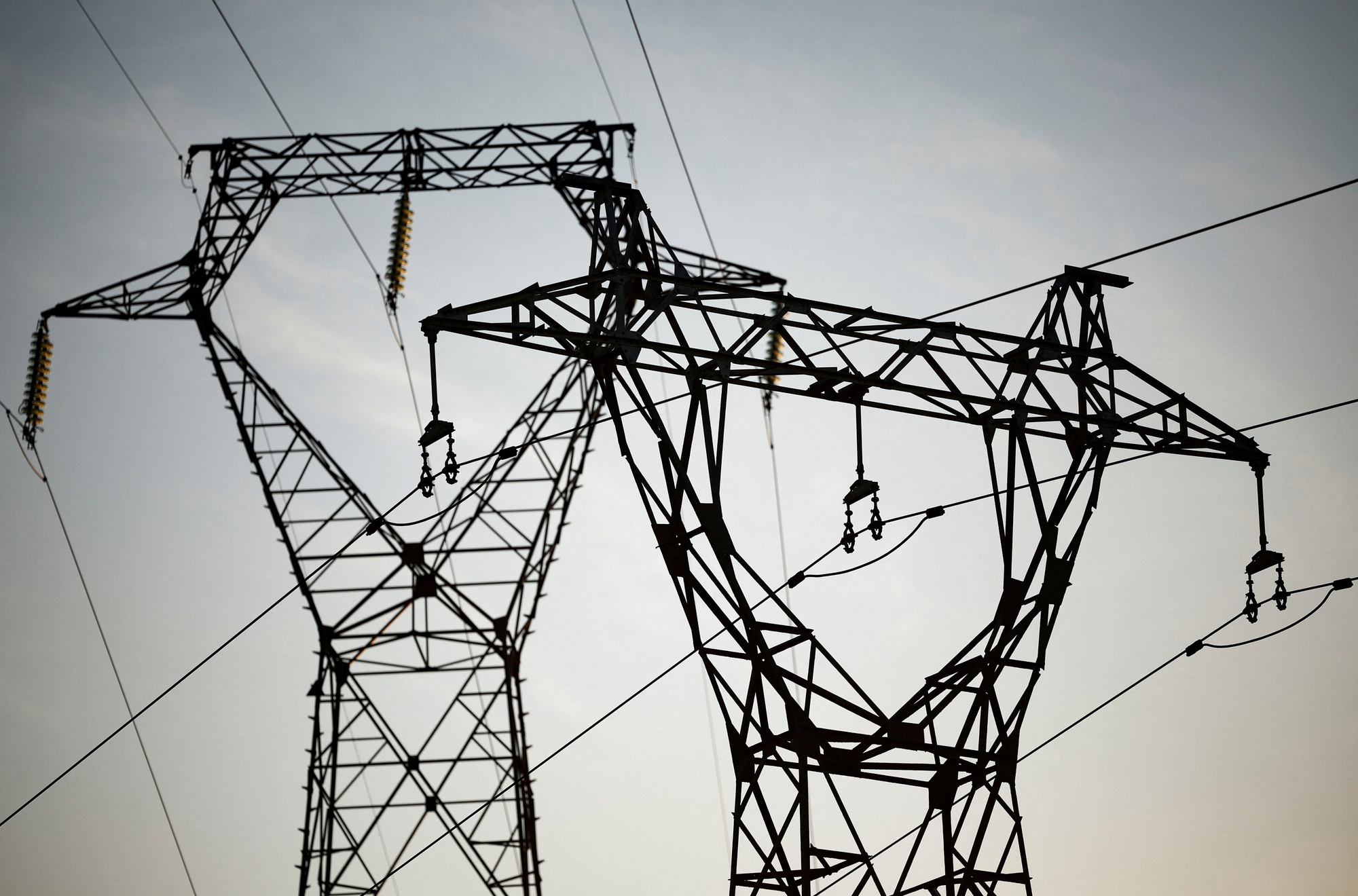
The Recent Power Outage in Spain and Portugal: A Closer Look
Understanding the Power Outage
In recent weeks, Spain and Portugal experienced a massive power outage that left millions in the dark. The incident has sparked intense discussions both within and outside the Iberian Peninsula. One of the critical aspects of this incident is the underlying reasons that led to the blackout, along with the significant political and operational ramifications across Europe.
The Timeline of Events
The power outage, which occurred on a weekday evening, was unexpected and resulted in significant disruption to daily life. Public transport, businesses, and communication systems were largely affected. It’s reported that as the evening progressed, the scale of the outage began to reveal itself, with people around the country sharing their experiences on social media platforms. The scale and impact of the outage raised numerous questions about the underlying electrical systems in both countries.
The Electrical Grid and Its Importance
The electrical grid is the backbone of modern societies, ensuring that electricity generated from various sources can be distributed efficiently and safely. In the case of Spain and Portugal, their grids heavily rely on interconnectivity with other European nations, including France. The ability to trade electricity and provide backup in emergencies is essential, especially during peak demand periods. This recent incident has rekindled discussions about how fragile these connections can be and the need for more resilient infrastructures.
Political Reactions and Blame Game
In light of the blackout, political tensions have escalated. The Portuguese Minister of Energy, Maria da Graça Carvalho, has stepped into the limelight, voicing her concerns regarding the nation’s power trading relationships with other countries. She has been particularly vocal in attributing part of the blame for the outage to the lack of electricity exchanges between countries, emphasizing that France had the potential to assist in alleviating the crisis but did not.
As political leaders are keen to convey their viewpoints, the narrative emerging from Portugal appears to place significant blame on the European regulations surrounding energy exchanges. The emphasis is now on creating a more robust renewable energy infrastructure that would help mitigate such risks in the future.
The Need for Interconnections
One of the central arguments presented by Carvalho and her Spanish counterpart, Sara Aagesen, is the urgent need for enhanced interconnections between European countries. In their recent communications to the European Commission, they identified a dire need for reform and political impetus to accelerate electrification projects. By strengthening interconnections, they argue, countries would be better equipped to support one another in times of need, thereby preventing blackouts from affecting entire nations.
The European Perspective
From a broader European Union perspective, energy security is paramount. As countries move toward sustainability and a decarbonized future, the discussion around energy interdependence becomes increasingly critical. The incident has catalyzed calls for an integrated European energy policy that not only promotes renewables but also focuses on constructing a grid that can withstand individual nations’ failures.
The recent blackout can thus be viewed not merely as a national issue but as a strain point within the European energy landscape. Ensuring that countries can support one another, share resources, and communicate effectively during emergencies will be vital for maintaining stability in the region.
Conclusion
The massive power outage in Spain and Portugal serves as a stark reminder of the vulnerabilities within our modern electrical systems. As the details continue to unfold, the focus remains on the future—creating a more interconnected, resilient electric grid, eliminating dependencies, and ensuring all nations can support each other in times of crisis.
The situation encourages multi-national dialogues regarding energy policies and reaffirms the critical role of cooperation in a world increasingly reliant on interconnected systems.
Vrai coupable ou simple diversion ? Un mois après la coupure de courant massive en Espagne et au Portugal, un sujet a fait irruption dans le débat public : le responsable de la panne serait le manque d’électricité échangée entre les pays européens à ce moment, et notamment entre la péninsule Ibérique et la France.
C’est en tout cas ce qu’a affirmé la ministre portugaise de l’Énergie, Maria da Graça Carvalho, très critique envers Paris alors même que les causes exactes de l’incident n’ont pas été identifiées.
Il y a quelques jours en effet, celle-ci a exhorté l’exécutif européen à répondre à ce « problème » : dans une lettre adressée au commissaire à l’Énergie, Dan Jørgensen, et publiée par Contexte, elle demande, aux côtés de son homologue espagnole Sara Aagesen, « une nouvelle impulsion politique » pour répondre au « besoin urgent d’accélérer la réalisation des interconnexions électriques ». Et pour cause : si l’Hexagone avait pu leur envoyer son surplus d’électricité à travers des lignes à haute tension, la situation aurait été tout autre, sous-entendent-elles dans le courrier.