
France Seizes British Fishing Vessel Amid Legal Controversy
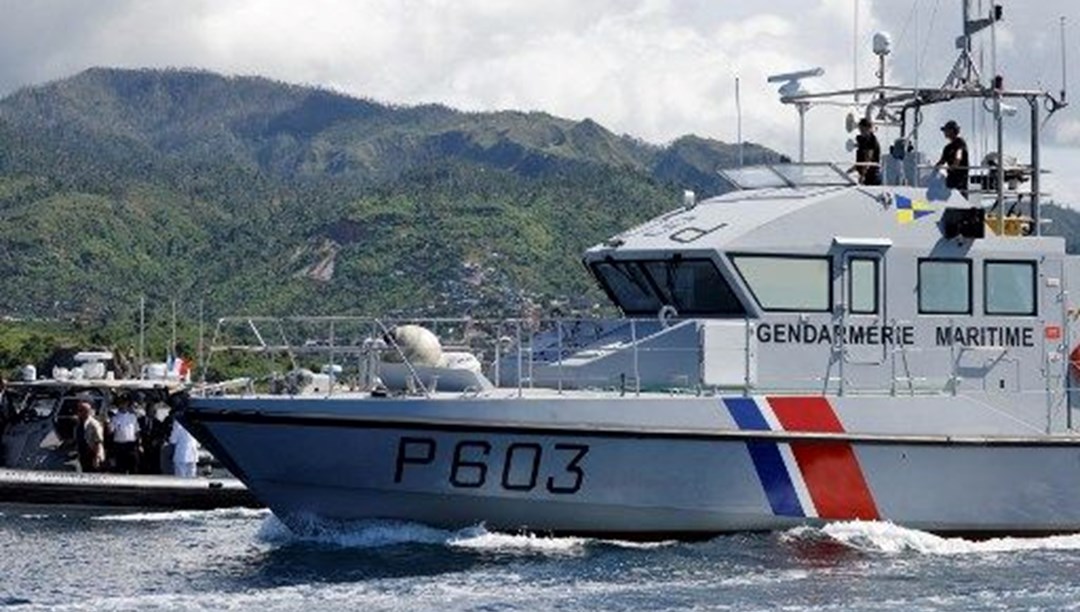
Recently, French authorities seized a British fishing vessel under the accusation of illegal fishing in their waters. According to a report by BBC, the vessel is currently detained at Boulogne Port, and French judicial officials are considering whether to initiate legal proceedings against the crew.
Illegal Fishing Allegations
Reports suggest that the British fishing boat was stopped by the French Navy on Thursday night. The crew is accused of fishing in French territorial waters without the required licenses. This incident has raised significant concerns among officials and the fishing community, particularly in the wake of recent agreements between the United Kingdom and the European Union that permit EU vessels access to British waters for another 12 years. The British fishing industry has voiced strong objections against this arrangement, leading to heightened tensions between the two nations.
UK Government’s Response
In the aftermath of the seizure, the UK Foreign Office issued a statement confirming their support for the detained British citizen and emphasized that they are in contact with local authorities in France. A government spokesperson mentioned, “While the vessel is under investigation by French fishing authorities, we are unable to provide further comments at this time.” This statement indicates the UK government’s commitment to protecting its citizens inadvertently embroiled in foreign legal issues.
Claims of Double Standards
However, this incident has incited backlash from the UK’s Conservative Party, which is currently in opposition. They have accused French authorities of operating with hypocrisy and double standards. According to French Coast Guard reports, the patrol vessel Pluvier observed the British fishing boat operating without a license while conducting checks on May 23. Following this discovery, the boat was directed toward Boulogne for prosecution.
The opposition has criticized French officials by stating that they are unable to stop the influx of migrant boats crossing the English Channel, yet they are capable of taking swift action against a British fishing vessel. Shadow Home Secretary Chris Philp highlighted this inconsistency, asserting, “When it comes to an English fishing boat in French waters, they suddenly spring into action. However, if they can now intercept boats, they should also start stopping those carrying illegal migrants, as they are obliged to under international law.”
Political Ramifications
The controversy stemming from this incident extends beyond mere fishing regulations; it highlights broader issues concerning UK-EU relations post-Brexit. The fishing industry has long been a contentious topic, with British fishermen feeling shortchanged by trade agreements that seem to favor their EU counterparts. The recent situation exemplifies the ongoing friction and unresolved disputes that linger in the wake of the UK’s departure from the EU.
British fishermen are particularly concerned about their rights and assurances regarding fishing quotas and access to key fishing grounds. The perception of unfairness, especially when juxtaposed against the backdrop of EU vessels being granted extended access to British waters, raises questions about the fairness of enforcement practices between the two parties.
The Bigger Picture: Fishing Licenses and International Law
The legality of fishing operations is nuanced, dictated by international laws and agreements that outline fishery rights among nations. The United Nations Convention on the Law of the Sea provides guidelines for maritime navigation and fishing. Therefore, the allegations against the British fishing vessel invoke questions about compliance with these international norms.
Fishing licenses serve as crucial permits that ensure responsible harvesting of marine resources, promoting sustainable practices. The issue of illegal fishing is often tied to larger discussions about environmental conservation, species protection, and the long-term viability of fishing communities.
Public Reaction and Stakeholder Opinions
Public reaction within the UK has been mixed, with many expressing anger at what they perceive as an infringement on British sovereignty. Fishermen, in particular, are anxious about the repercussions this incident may have on their livelihoods. They argue that fishing is not just a profession but a way of life that has been passed down through generations.
Conversely, some environmental advocates stress the importance of adhering to fishing regulations designed to protect marine ecosystems. They argue that enforcement is critical not only for protecting fish stocks but also for maintaining the fragile balance within marine environments.
Cultural and Historical Context
Fishing has been a significant industry for both the UK and France, woven deeply into the cultural and social fabric of coastal communities. Historical rivalries combined with contemporary challenges of fisheries management create a complex landscape for fishing policies in the region.
Given the potential ramifications of this incident on future negotiations regarding fishing rights, the events surrounding the seizure highlight a crucial moment in the evolving narrative of UK-EU relations regarding maritime issues.
In summary, the seizure of the British fishing vessel by French authorities is not merely a legal dispute; it encapsulates deeper national sentiments, bipartisan criticisms, and the ongoing challenges of international maritime law in the backdrop of Brexit. As both nations navigate these turbulent waters, the outcome could serve as a defining moment for future maritime negotiations.