
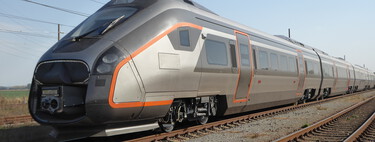
The Century Contract: A Significant Milestone for CAF in Belgium
The Belgian government is set to award the so-called “Century Contract” to CAF, the leading Spanish rail manufacturer. This contract is monumental, as it will involve supplying a significant fleet of trains to the newly established “Belgian Renfe,” aimed at modernizing the country’s rail infrastructure.
Refused. The Belgian State Council recently announced its decision, rejecting the final appeals presented by Alstom concerning the awarding of this contract. Alstom’s intention was to challenge the allocation of the contract to CAF, which aims to bolster its product offerings significantly by enhancing the existing fleet of trains.
As reported by The Mail, this decision comes after previous rejections of similar appeals from Siemens . The lengthy and intricate selection process has witnessed a multitude of challenges and legal complexities.
The Financial Implications of the Century Contract
This contract is indeed tagged as the “contract of the century” due to the staggering financial implications it holds. The principal investment is estimated at €1.695 billion; however, if all parameters are met, CAF could receive an amount totaling up to €3.4 billion.
The deal encompasses the provision of 500 battery-powered hybrid trains, which will replace aging diesel engines in non-electrified routes throughout Belgium. With the rejection of the final appeals, the only remaining steps involve final negotiations and the official signing of what could be the most significant contract in CAF’s history.
Challenges Existed Along the Way
Securing this contract has not been a walk in the park for CAF. In fact, at the beginning of the year, both Alstom and Siemens launched a series of appeals against CAF’s award of the contract, claiming insufficient transparency in the selection process. Belgian authorities eventually recommended suspending the contest, adding layers of complexity to the situation.
During this tumultuous time, Alstom emphasized its position by arguing that their proposal should have an advantage due to their local plant, which would provide jobs, thereby benefitting Belgian citizens. Nonetheless, the tender process persisted, requiring CAF to patiently await the conclusion of the appeals from both Siemens and Alstom.
Controversies Surrounding CAF’s Operations
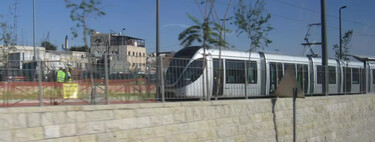
However, the awarding of the contract to CAF did not go without criticism. Several groups raised concerns about CAF’s involvement with Shapir, an Israeli company working on the Light Jerusalem Rail project. Detractors argue that the project would facilitate the expansion of illegal Israeli settlements, as validated in a United Nations report, indicating that such undertakings bolster policies against Palestine.
The Light Rail project is valued at €1.8 billion, representing a significant potential profit of €500 million for CAF. If constructed, it aims to connect 27 kilometers of rail and 50 stations between settlements in the West Bank and West Jerusalem.
What’s more, CAF is not merely stopping at the construction phase; it is also eyeing opportunities for long-term management of the lines, potentially lasting between 15 to 25 years once operations begin. The company maintains that the contract was awarded before the current political tensions escalated.
Response to Public Concerns
Belgians advocating against the contract have prompted responses from SNCB, the national railway operator. Despite pressure from various organizations, SNCB has asserted it cannot dictate the foreign policies of companies engaged in such contracts. Conversely, other corporate investors, like Norway’s sovereign fund, have divested their stakes in Shapir, citing ethical concerns related to the humanitarian situation in Gaza.
This controversy has raised questions about future collaborations for CAF, especially as it navigates between business opportunities and ethical considerations. Major firms like the Catalan company Comsa have also withdrawn from similar projects due to criticisms attached to their associations with Israeli contracts.
As CAF stands on the brink of executing what it terms the century contract, scrutiny intensifies over not only the financial implications but also the ethical dimensions of its international partnerships. The decision marks a watershed moment not only for CAF but potentially for the broader European rail landscape as well.