
The Rise of Plant Proteins: A Nutritional Revolution
For decades, the prevailing wisdom was to substitute red meat with chicken or fish for a healthier lifestyle. This information has been so deeply ingrained that it assumed the status of a nutritional mantra. However, a paradigm shift is emerging in the way we approach nutrition, particularly in the context of protein. Throughout supermarkets, gyms, and social media, the emphasis on “protein” has reached an all-time high, but interestingly, it’s increasingly being associated with plant-based foods rather than animal protein. This raises an important question: why is plant protein gaining prominence now?
The Shift Towards Plant Proteins
The United States Dietary Guidelines Advisory Committee is spearheading a significant shift in nutritional recommendations. A recent report by The Washington Post reveals that for the first time, priority is being given to plant proteins over traditional sources like chicken and fish. According to Christopher Gardner, a professor at Stanford, legumes such as beans, peas, and lentils are now considered the top sources of protein, pushing red meat to the bottom of the list.
This recommendation is more than just ideological; it’s backed by evidence. As Dr. Neal Barnard, clinical director of the Barnard Medical Center, notes, those who consume more plant-based foods have a reduced risk of chronic diseases like cancer and diabetes. A study published in the American Journal of Clinical Nutrition analyzed over 50,000 women and concluded that diets rich in plant proteins support healthier aging compared to those based on animal proteins.
The Nutritional Power of Legumes
Plant-based proteins are not just fads; they are pivotal to a healthy diet. As reported by The New York Times, legumes are central to the Mediterranean diet, offering about 15 grams of protein per cup, along with essential nutrients like fiber, iron, magnesium, folate, and vitamin E. These nutrients not only contribute to physical well-being but also enhance overall health.
Animal vs. Plant Protein: The Nuances
Despite the advantages of plant proteins, it’s essential to consider the quality of protein sources. While plant-based proteins are becoming more recognized, animal proteins still hold an advantage in their bioavailability; the essential amino acids from animal sources are absorbed more efficiently by the body. For instance, 85 grams of chicken provide around 20 grams of protein, whereas the equivalent amount of chickpeas yields only about 6 grams.
Marie Spano, a sports dietitian quoted by Men’s Health, emphasizes the importance of combining different protein sources. For those following a strictly plant-based diet, she suggests daily intake of a variety of legumes, whole grains, nuts, and seeds to meet protein requirements adequately.
The Natural vs. Ultra-Processed Dilemma
Not all plant-based proteins are created equal, a critical point of caution. The New York Times highlights the risks associated with relying on ultra-processed plant-based options that may appear healthy but lack the benefits of minimally processed foods. A clinical trial showed that participants consuming whole, unprocessed foods—like fruits, natural yogurt, and homemade legumes—lost twice as much weight and body fat compared to those who relied on “healthy” ultra-processed options, such as ready-to-eat vegetable lasagnas or protein smoothies. As epidemiologist Filippa Juul explains, ultra-processed foods tend to lack texture, can be consumed quickly, and may overstimulate appetite.
The Cultural Phenomenon of Protein
The popularity of protein extends beyond nutrition; it’s also a cultural and commercial phenomenon. We are in an era where protein is synonymous with aspirational well-being and sculpted bodies. Social media platforms like TikTok amplify this trend, showcasing extreme fitness routines, hyper-protein shakes, and diets that can border on obsession.
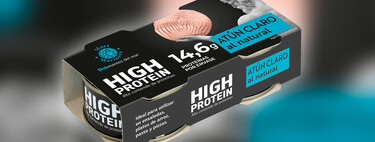
In response, the food industry is capitalizing on the protein boom. Products boasting “high in protein” labels are marketed with visuals aimed at drawing in specific demographics, such as men—similar to how “Light” products were marketed to women concerned about weight loss. Today, protein is more than just a nutrient; it has become a branding tool, an identity marker, and a booming business.
The Role of Protein Powders
Amidst this protein craze, one cannot overlook the prevalence of protein powders. While many gym-goers swear by them, the necessity of such supplements is nuanced. Nutritionist Saray López suggests that protein shakes can be practical tools for reaching daily protein goals. However, Dietitian Jesús Guardiola warns against using them as a substitute for whole foods. The consensus among experts is that while protein powders may be beneficial in specific contexts—like recovery or for individuals with limited time—relying solely on them should not become the norm.
The conversation surrounding protein is not merely a passing trend. It has become a pivotal aspect of discussions around health, dietary guidelines, and personal wellness. As we continue to navigate the complexities of protein sources and their impacts, it’s vital to ask not just how much protein we consume, but where it comes from and how it is processed. The journey towards understanding nutrition is ongoing, and it appears that plant proteins are here to stay, challenging our long-held beliefs about healthy eating.