
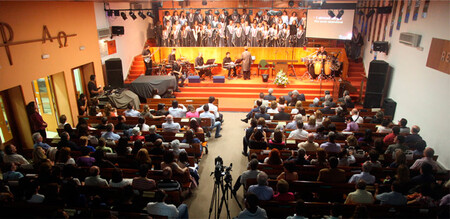
The Rise of Evangelical Churches in Madrid
In recent years, the Catholic Church in Spain has grappled with a significant decline in vocations and a noticeable reduction in practitioners. In stark contrast, the evangelical movement has rapidly expanded, particularly within the Madrid region. This growth can be attributed to various factors, including increasing numbers of Latin American immigrants who are bringing their faith with them.
Evangelical Growth in Spain
According to recent studies, evangelical congregations are flourishing in Madrid, with new places of worship emerging at an astonishing pace. Reports note that one new evangelical church opens approximately every four days. This trend mirrors a wider shift in Spain’s religious landscape, where traditional Catholicism faces challenges, leading many to explore alternative spiritual paths.
Location of New Worship Centers
Current data from the Observatory of Religious Pluralism in Spain highlights that there are 834 places dedicated to evangelical worship in the Community of Madrid. This figure positions evangelicals as the most prominent minority faith group in the region, surpassing even Muslim communities, which account for only 12% of total religious sites. The growth is notable not only in metropolitan areas but also extends to suburban districts such as Carabanchel, where almost 90 evangelical churches can be found.
Factors Driving the Expansion
Migration Patterns
One of the primary drivers of this evangelical boom in Madrid is the substantial increase in the Latin American population. Recent statistics reveal that over one million residents of Madrid are now from Spanish-speaking countries. This significant demographic shift has brought Latino culture and religious traditions to the forefront, reinvigorating the evangelical movement in the region. As these new residents establish their lives in Spain, they often seek out congregations that reflect their faith and cultural heritage.
A Shift in Religious Practices
Evangelical churches are not mere places of worship; they serve as essential community hubs. Many of these new congregations occupy what were once commercial spaces or industrial properties, repurposed to meet the needs of their communities. These changed spaces not only provide a place for worship but also foster social connections, contributing to a sense of belonging for immigrants navigating the challenges of integration into a new society.
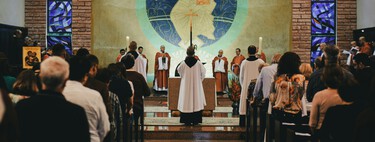
The Role of Social Networks
Evangelical movements have a unique ability to create social networks that provide support and sense of identity among immigrant populations. According to sociologist Paola García, these congregations offer a space for individuals to preserve their cultural identity while connecting with others who share similar experiences.
This social function of evangelical churches plays a crucial role in their growth, as they assist new residents in coping with the loneliness and challenges of migration. These churches often provide resources, counseling, and community activities that strengthen ties among congregants.
The Importance of Community Representation
The burgeoning evangelical presence in Madrid also reflects a broader cultural shift. While Catholicism continues to dominate Spanish religious life, evangelical faith practices resonate with many who seek alternative approaches to spirituality. This change indicates a diversification of belief systems and highlights the importance of understanding the evolving fabric of Spanish society.
Furthermore, churches often take on additional responsibilities beyond religious ceremonies. Many offer essential services such as language classes, job training, and cultural workshops, fostering integration into broader society.
Questions Raised About the Movement
Despite the positive aspects of community building, scholars have raised questions regarding the commercialization and motivations behind some evangelical congregations. Concerns have emerged about whether certain groups prioritize financial gain over genuine spiritual guidance. In Spain, the diverse landscape of religious groups has made it challenging to differentiate between genuine faith initiatives and those driven by profit motives.
Luis Santamaría del Río, a researcher on this topic, notes the complexities that arise when evaluating the practices of these churches. While many congregations aim to provide meaningful spiritual encounters, there are instances where the line between faith and commercial enterprise becomes blurred.
In conclusion, the rise of evangelical churches in Madrid signifies a significant transformation in the religious landscape of Spain. As the country embraces increasing diversity, these congregations serve as both spiritual havens and community anchors for many, providing necessary support for the growing population of Latin American immigrants. The evolution of faith practices reflects broader societal changes, indicating a shift that continues to shape both religious and cultural narratives in the region.