
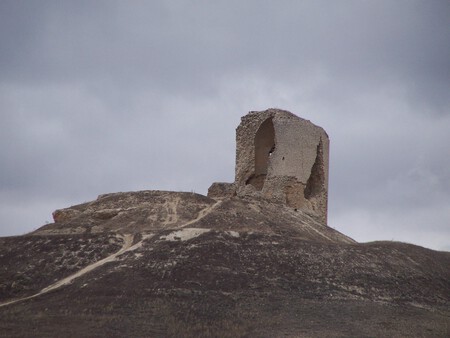
The Crumbling Legacy of Spanish Castles
Recent events in Escalona, Toledo, have sparked significant concern regarding the preservation of Spain’s iconic castles. Tourists captured a viral moment when a part of Escalona Castle crumbled, highlighting the urgent need for conservation efforts.
Not an Isolated Incident
Escalona Castle is a historical fortress with roots dating back to Roman times. Yet, despite its cultural significance and the city’s plans for restoration, the castle suffered a partial collapse earlier this year. This incident is not unique; Almonacid Castle, another historical site, faced a similar fate after weeks of heavy rain led to the fall of one of its towers. Both of these events are symptomatic of a broader problem concerning the state of Spain’s historical architecture.
A Brewing Debate
The viral video from Escalona has opened a dialogue about the alarming number of castles at risk. Miguel Ángel Bru from the Spanish Association of Friends of Castles indicates that while most castles enjoy some level of heritage protection, the reality of their conservation is uneven. Only about 20% of these monuments are adequately rehabilitated, leaving 80% in various stages of disrepair.
Alarming Statistics
Recent reports reveal that 60% of Spain’s castles are at risk of collapsing. Specifically, eight out of ten are vulnerable to partial falls or landslides. The information is staggering when juxtaposed against Spain’s famed historical stature. Despite a catalog of 10,362 registered castles, only 728 are deemed to be in very good condition.
Ownership Challenges
Complicating preservation efforts is the issue of ownership. Many castles are privately owned, and in some instances, ownership is fragmented among numerous heirs who may not even be aware they possess a share of the historical site. This fragmentation is often detrimental to effective management and restoration efforts.
Reevaluating Functionality
The decline in castle preservation also stems from a loss of functional utility. Historically built as defensive structures, many castles are now obsolete. Unlike cathedrals that continue to serve as places of worship, castles lack a modern function, leading to their abandonment.
Final Thoughts
The plight of these historical edifices sheds light on deeper issues regarding cultural heritage management in Spain. As witnessed in recent collapses, without urgent attention and funding, Spain’s castles—symbols of its rich history—may continue to crumble into dust.
Images | Miguel Angel Masegosa (Flickr) and Salvador Mendez (Flickr)