
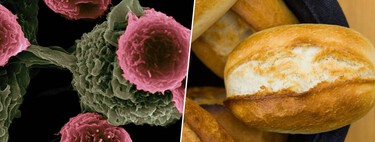
The Revolutionary Use of Bacteria in Cancer Treatment
In the quest for effective cancer therapies, traditional methods have paved the way for groundbreaking approaches. One of the most exciting innovations comes from a group of bacteria that can target tumors without depending on the body’s immune response. This discovery is not just a recent development; the potential of bacteria in cancer treatment has been acknowledged for over 150 years.
A Historical Perspective
The concept of using bacteria to combat cancer has roots in the 19th century. In 1868, German doctor Busch observed that some cancer patients experienced remission following bacterial infections. Later, William Coley advanced this notion, laying foundational treatments that contributed to the modern landscape of immunotherapy. However, standard therapies often rely on a fully functional immune system, presenting serious challenges for immunocompromised cancer patients.
Current Innovations: The AUN Bacteria Therapy
Recent studies, including research published in Nature Biomedical Engineering, reintroduce the idea of using bacteria in cancer treatment—it specifically outlines a groundbreaking “drug-free” approach. Researchers discovered that certain bacterial strains could effectively combat tumors by achieving complete remission, with results sustained over years in mouse models, including those with compromised immune systems.
What is particularly noteworthy is that this innovation does not involve genetic modifications of the bacteria, thereby ensuring safety and minimizing bodily toxicity.
The Bacterial Duo: Proteus mirabilis and Rhodopseudomonas palustris
At the heart of this bacterial therapy is a duo of bacteria known as AUN—composed of Proteus mirabilis (A-gyo) and Rhodopseudomonas palustris (UN-gyo). Contrary to common perceptions that bacteria are harmful, many, including those residing in our intestines, play vital roles in human health.
When administered into the bloodstream of tumor-bearing mice, this bacterial duo demonstrated extraordinary efficacy. Observations revealed not only complete tumor remission but also significantly prolonged survival—an outcome that is far from magic.
Mechanism of Action: Suffocating the Tumors
The intriguing question arises: How do these bacteria exert their effects? According to the researchers, the bacteria effectively block the supply of oxygen and nutrients to tumors, which ultimately suffocates the cancerous cells. Tumors consist of metabolically active cells that require a constant supply of sustenance. By effectively cutting off their “food supply,” the bacteria induce cell death.
When these bacteria reach the tumor, they act like a Trojan horse, forming small blood clots specifically targeting tumor-associated blood vessels. This clot formation restricts blood flow, leading to nutrient deprivation for the tumor.
Dynamic Bacteria: A Transformative Response
Bacteria are not passive agents; they actively change their behavior upon encountering cancer cells. The A-gyo strain undergoes what researchers describe as a “wonderful fibrous transformation.” This transformation is specifically activated by chemical signals from cancer cells—known as oncometabolites—allowing the bacteria to exhibit a swarm-like behavior. This action, coupled with the release of toxins, appears crucial in destroying tumor vasculature while sparing healthy cells.
Safety and Future Prospects
While using live bacteria for treatment may seem daunting, the study underscores the safety profile of the AUN bacterial strains, deemed non-pathogenic. To ensure efficacy while minimizing risks, researchers developed a “double dose” regimen. This method involves a low initial dose to prepare the body, followed by a stronger dose, reducing risks associated with severe reactions.
Looking forward, although trials have thus far been limited to mice, the therapy shows promise against human cancer cell lines. This novel approach could transform cancer treatment by eliminating the need for conventional pharmaceuticals, making it a self-managed option.
In conclusion, this innovative therapy utilizing bacteria signifies a potential revolution in oncological medicine. As research expands, the hope is that this groundbreaking approach will ultimately lead to safer, more effective cancer treatments.