
The Complexity of Choosing the Best Mobile Camera
For many, choosing a phone with a camera that genuinely delivers has become a complicated endeavor. Not too long ago, the landscape was straightforward: options were clear, and each range held a distinct place. This is no longer the case. New players have entered the arena, raising the quality bar and rendering traditional choices inadequate. Today’s focus on telephoto lenses exemplifies this change, distinguishing between a “very good” mobile phone and a truly exceptional one. With so many choices available, the pressing question arises: which one is worth your investment?
Battle of the Zoom Phones
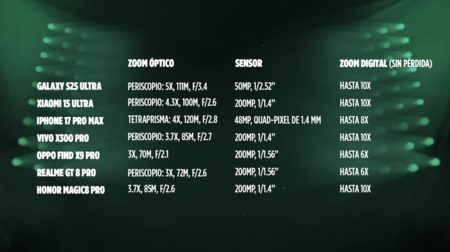
To address this dilemma, Xataka conducted a comparative analysis of seven premier zoom phones, meticulously evaluating each model’s capabilities through rigorous testing. This format not only pitted the devices against each other but also showcased the nuances in hardware and software processing. As usual, every round of evaluation earns points, culminating in a final winner.
Participants in the Comparison
Ana Boria led the comparison featuring top contenders in mobile photography, including the Samsung Galaxy S25 Ultra, Xiaomi 15 Ultra, iPhone 17 Pro Max, Vivo X300 Pro, and OPPO Find. The diversity of these competitors underlines the current state and evolution of mobile photography.
Color Accuracy and Image Quality
Throughout the evaluation, specific observations emerged regarding color accuracy. “In the case of the colors of this garden,” Ana noted, “the Xiaomi, Vivo, and OPPO images are overly saturated and bright, resulting in somewhat artificial processing.” However, shots of sunsets highlighted how saturation can enhance visual appeal, making those images more captivating.
Performance Under Pressure
The test also examined portrait shots where the portrait mode was not activated. This aimed to assess how telephoto lenses naturally separate subjects from backgrounds in challenging scenarios. The results were particularly intriguing, revealing that technique matters as much as optics in achieving professional-quality images.
Zoom Capabilities and Digital Performance
A significant portion of the evaluation focused on digital zoom capabilities. Maintaining detail without turning photos into pixelated disasters is a tall order. Ana explained, “The noticeable differences depend on the photography, revealing varied trends among the brands,” ranging from intense HDR solutions to more conservative proposals with even white balance.
The Role of Artificial Intelligence in Photography
Artificial intelligence emerged as a key player in contemporary photography, affecting not just optics but also image processing algorithms. The comparisons illustrated how different manufacturers deploy AI technology, enabling some phones to achieve remarkable images, while others may veer towards an overly artificial aesthetic. Ana emphasized, “Vivo employs extensive AI in their photos, resulting in a loss of skin texture,” exemplifying the trade-offs involved.
Beyond Photography: Additional Features
The evaluation didn’t stop at still photography; it also incorporated optical and digital zoom performance in low-light conditions, video tests, and accessories designed to enhance zoom capabilities. Only Xiaomi, Vivo, and OPPO offered external accessories, impacting both the final results and the user experience. Ana pondered, “How do I get back to my iPhone now?” after experiencing enhanced capabilities with these models.
Watch the Full Evaluation
To discover the winners of each category and delve deeper into the analyses, we encourage you to watch the full video on the Xataka YouTube channel. We welcome your thoughts on this exploration of mobile photography innovations.
Images | Xataka