
Spain’s Bus System: A Call for Transformation
Spain is on the brink of a significant transformation in its bus network . The Ministry of Transport is spearheading efforts to rejuvenate a system that has fallen behind, with numerous services operating beyond their expiration dates , largely due to the inability to hold new competitions. This overhaul is essential for aligning Spain’s transportation services with the evolving needs of its populace.
What Changes Are in Motion?
The [ concessional map of Spanish buses ](https://www.transportes.gob.es/transporte-terrestre/lineas-regulares-de-transporte-de-viajeros/informacion-sobre-lineas-regulares-de-transporte-de-viajeros) is on the verge of substantial revision. The Ministry of Transport is currently awaiting feedback from the Autonomous Communities on their latest proposal, with a deadline set for next Monday. Silence from these regions will be interpreted as consent to the new model, though it remains uncertain how several areas, many led by the Popular Party , will respond.
Understanding the Current Bus System
In Spain, unlike the train services, two companies cannot compete along the same route— a restriction aimed at maintaining order and quality in public transport. Currently, there are 77 operators vying for competition. The interested companies submit proposals, and the government awards the concession to those offering the most competitive and comprehensive plans.
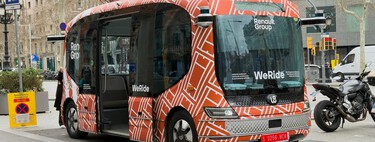
<img alt="An autonomous bus in Barcelona" width="375" height="142" src="https://i.blogs.es/ab54a7/autobus-autonomo-renault-barcelona-portada/375_142.jpeg"/>Proposed Modifications
The new proposal suggests a major redesign of the current system. Transport officials plan to cut down the number of operators from 77 to just 22, reflecting a shift in travel patterns favoring connections between large cities or opting for train services instead. However, this change could disproportionately affect many smaller municipalities, particularly those experiencing population decline.
To mitigate these disruptions, the Ministry assures that the affected autonomous regions will be supported by an additional 40 million euros to establish new routes. However, concerns have been raised regarding the sufficiency of this funding, with some stakeholders calling for at least 110 million euros to adequately address the needs of the transition.
<img alt="A bio-methane bus in Barcelona" width="375" height="142" src="https://i.blogs.es/6a0c5d/bus-biometano/375_142.jpeg"/>Industry Reactions
Responses from the industry have varied widely. Organizations like Confebus , representing about 40% of operational companies, support the concessional model, arguing that it enhances travel safety and offers stability for operators. Conversely, companies such as Anetra and Flixbus have long championed a liberalization approach to the market, arguing that such flexibility optimizes profits by focusing on routes with higher demand.
A significant concern raised by both industry players and government representatives revolves around the prolonged durations of outdated operational awards. For instance, the lucrative Madrid-Irún route has not seen a new contest for over six years, rendering the current operator virtually a monopoly .
Moreover, the long and complex process of contesting routes often gets bogged down in a myriad of complaints, complicating the implementation of new services. The Madrid-Valencia route is an example, with over 800 complaints currently complicating matters.
<img alt="Free long-distance buses in Spain" width="375" height="142" src="https://i.blogs.es/2a7652/bonos-gratuitos/375_142.jpeg"/>The Impact on Smaller Municipalities
The proposed reform threatens to significantly diminish bus services in numerous smaller towns . Data indicates a drastic reduction in the number of bus stops per route, shrinking from an average of 12.8 stops to just six . Consequently, services could be discontinued in 1,912 municipalities , leaving only about 495 operational locations.
While the Ministry insists that they will have contingency plans for municipalities losing services, clarity regarding how these replacements will function remains vague, particularly concerning schedules and service frequency . The uncertainty breeds anxiety among residents dependent on these transportation networks.
This potential overhaul presents a crucial opportunity to modernize Spain’s bus system but raises significant concerns over equitable access to public transportation, especially for less populated areas. As discussions continue, stakeholders and citizens alike will be watching closely to see how these reforms unfold and their broader implications for mobility across Spain.