
Pax Augusta: A Unique City-Builder Experience
In the digital realm of city-building video games, "Pax Augusta" stands out as a captivating title that holds the promise of constructing a full-fledged Roman city. This game combines familiar mechanics with a distinct twist: an unparalleled commitment to historical authenticity. Players have the unique opportunity to engage in a meticulously reconstructed world, reminiscent of the classic "Caesar III." But what truly sets Pax Augusta apart is its obsessive attention to detail, crafted painstakingly by a single passionate developer.
A Journey into Roman Gaul
In "Pax Augusta," players step into the shoes of a young Roman aristocrat during the early days of the Augustan Principate (31 BC). Your mission is clear: build one or more prosperous colonies in Gaul. Your decisions shape the landscape; you are tasked with establishing your city while ensuring its vibrancy for the glory of Rome. The game offers various modes, from following a narrative trajectory to simply indulging in the creative freedom of building at your own pace.
Game Mechanics: Classic Yet Unique
At its core, "Pax Augusta" employs familiar gameplay mechanics. You lay out roads, construct houses, and ensure the supply of water and food. The challenge also involves generating income, forging trade relations with neighboring colonies, and producing your resources such as wood, stone, and iron. Although it recalls a multitude of other city-builders, what elevates "Pax Augusta" is its astounding historical precision.
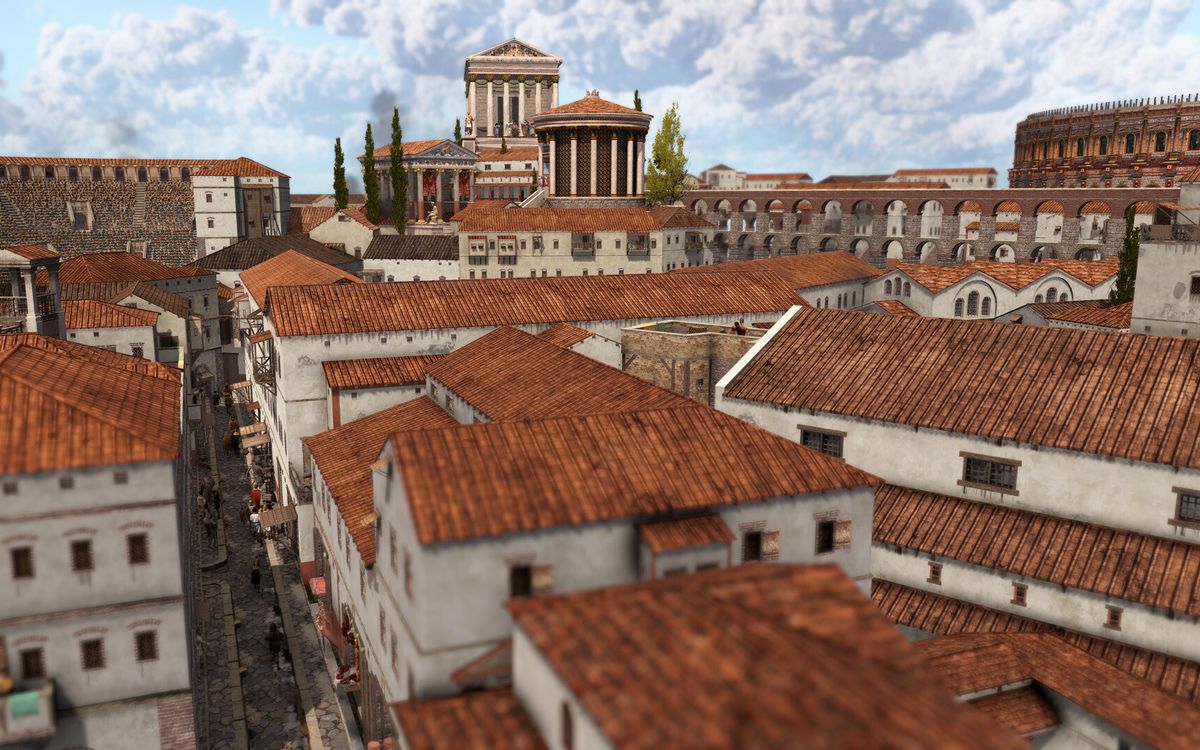
Every structure in the game is designed with authenticity in mind. Whether constructing insulae (apartment buildings), domus (villas), amphitheaters, forums, markets, or bustling streets, each building is rooted in either ancient texts or archaeological findings. There’s no room for improvisation; every model could have existed two millennia ago.
Immersive Visuals and Engaging Soundscapes
Walking through your crafted cities, players can appreciate the richly detailed environments. The game boasts vibrant colors that effectively contrast the often drab portrayal of Roman antiquity. From the clothing of inhabitants to their daily routines and interactions, every element adds to an authentic atmosphere. Students of history could feasibly use this game as a visual reference for what a Gallo-Roman city might have looked like in the first century, so vivid is the depiction.
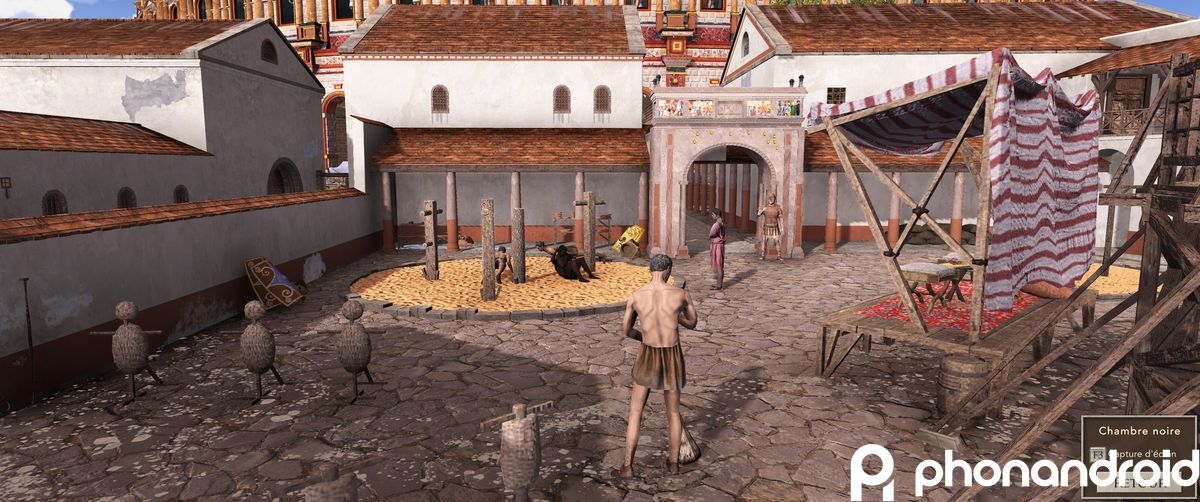
As you oversee your citizens, you’ll find enjoyment in observing them as they traverse the forum, admire the painted sculptures in the amphitheater, and navigate the social hierarchies present in the arena. The social dynamics come alive as you see the citizens interacting within their community.
A Historical Recreation Tool
"Pax Augusta" focuses on creating an experience that serves as more than mere entertainment; it acts as an invaluable historical reconstruction tool. Players must navigate through various challenges, including setting up a calendar for festivals, choosing a protective deity, and following the logical Roman layout surrounding the Cardo and Decumanus. Intriguingly, there are no warfare mechanics or battles, echoing the game’s premise that it takes place in a pacified Gaul.
The Man Behind the Game
The sheer ambition of "Pax Augusta" is largely attributed to its developer, Roger Grassmann, a Swiss programmer with an insatiable passion for the Roman Empire since childhood. He embarked on this project during his spare time with a clear mantra: craft a city-builder that strives for realism. To achieve this, he collaborated closely with historians and archaeologists, basing the design of in-game structures on actual excavated plans. His dedication even extends to ensuring that the construction animations are historically accurate.
Balancing Complexity and Accessibility
Though "Pax Augusta" delivers a uniquely immersive experience, it does not come without its challenges. The game features a layer of complexity that may become overwhelming for some players, introducing a multitude of rules and constraints that unfold throughout gameplay. Some might find the interface austere, creating a barrier for those less inclined to push through the initial hurdles.
Moreover, the game exhibits several rough edges typical of an indie project. Issues such as bugs and unbalanced gameplay can detract from the otherwise engaging experience. Grassmann acknowledges these shortcomings and promises regular updates to enhance the game over time, akin to fine Gaulish wine.
Conclusion: A Worthwhile Venture into History
Despite its flaws, Pax Augusta is a title that warrants exploration. It stands as a testament to the passion of an individual developer who has breathed life into his vision. It’s an intriguing offering for both city-builder enthusiasts and history buffs alike. Those with a keen interest in Roman history will likely overlook its imperfections and find themselves immersed in a unique experience.
Available on Steam for €25, "Pax Augusta" launched in its version 1.0 on April 19th. For those who appreciate a heartfelt dedication to historical detail in gaming, this title should not be missed.
Pax Augusta est un city-builder qui nous met au défi de construire une ville romaine. Un titre classique sur le papier qui rappelle le mythique Caesar 3, mais il y a un twist intéressant : jamais un jeu vidéo n’avait été si remarquable en termes de véracité historique. Un sens du détail obsessionnel qui est le fruit du travail d’un seul passionné. On y a joué, voici ce que ça vaut.
Le city-builder historique revient à la mode ces dernières années : Nebuchadnezzar, Memoriapolis, Pharaoh a New Era, Builder of Egypt et prochainement Anno 117. Ce dernier est prévu pour cette année et nous proposera de construire notre propre colonie romaine. Pas besoin de l’attendre pour s’y atteler, puisqu’un jeu vidéo qui vient de sortir propose la même chose : Pax Augusta. Il a un petit truc en plus par rapport à la concurrence : une véracité historique hallucinante de précision.
General News – 2