
The Impact of Political Statements on International Conflicts
In recent discussions regarding the ongoing conflict between Israel and Palestine, significant political figures have taken a stand that reflects the complexities of international relations. Alberto Núñez Feijóo, a prominent Spanish politician, expressed his views on the situation, emphasizing that the primary enemy of the Palestinian people is the terrorist organization Hamas. Feijóo’s words reflect a growing concern over the humanitarian crisis that has persisted in the region for over 19 months, a period during which more than 50,000 deaths have been recorded.
Global Reactions to the Situation
Feijóo’s statements came at a time when international pressure on Israel has intensified. The European Union, through its High Representative for Foreign Affairs, Kaja Kallas, stated, "It is necessary to exert pressure to change the situation." This comment highlights the EU’s commitment to reviewing its relationship with Israel, particularly in terms of human rights compliance. Similarly, the United Kingdom has paused trade negotiations with Israel, signaling a unanimous call for accountability in the international arena.
The Role of Hamas
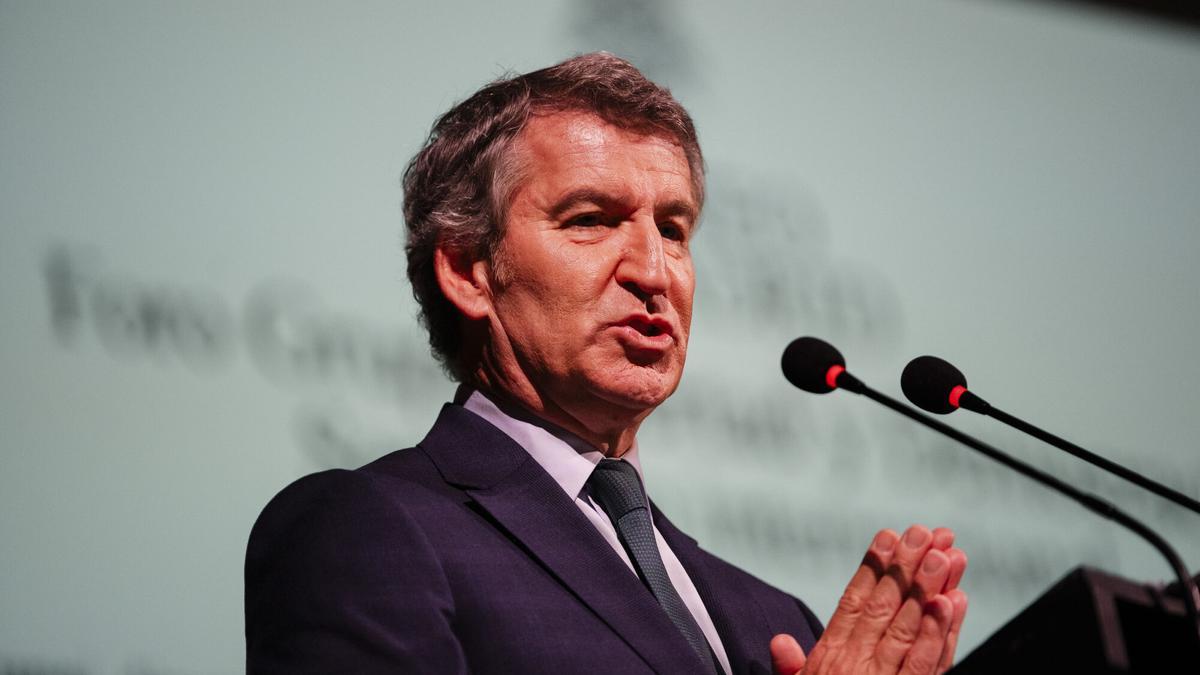
During a recent political conference, Feijóo reiterated the view that Hamas plays a crucial role in perpetuating the conflict. He stressed that one should not overlook the fact that "the main problem and cause of this conflict is the terrorist organization Hamas," which allegedly uses the Palestinian people as a shield for achieving its objectives. This assertion underscores the complex dynamics of the conflict, where political motives and humanitarian consequences are deeply intertwined.
Domestic Political Implications
The statements from leaders like Feijóo shed light on a potential shift in the political landscape of Spain concerning its foreign policy towards Israel. During a recent congressional debate focused on arms sales to Israel, members from the Popular Party (PP) refrained from condemning the Israeli military actions against Gaza. This reticence is indicative of the broader political climate where addressing the humanitarian crisis remains a contentious issue.
Moreover, Borja Sémper, the national spokesperson for the PP, echoed Feijóo’s sentiments shortly after his declaration. He affirmed, "Israel has the right to defend itself, but it certainly does not have the right to commit the atrocities that Netanyahu is committing." This acknowledgment of Israel’s defensive rights, while simultaneously criticizing its actions, illustrates the delicate balance politicians must maintain in public discourse.
The Need for Humanitarian Aid
It is critical to note that amidst these political maneuvers, the plight of the civilian population in the conflict-ridden areas remains dire. Feijóo emphasized the importance of allowing humanitarian aid to reach affected people, suggesting that cessation of military activities by the Israeli government is essential for this aid to be effective. As international scrutiny grows, there may be added pressure on Israel to allow humanitarian access to alleviate the suffering of innocent civilians.
International Relations and Human Rights
The tension between national security and human rights continues to dominate international relations discourse. As various governments reassess their ties with Israel, the underlying question remains: how do we balance realpolitik with humanitarian imperatives? Political statements and actions often reverberate far beyond the immediate context, affecting diplomatic relations and international law.
Countries like Spain find themselves at a crossroads, as they navigate their responses to human rights violations while maintaining political alliances. Feijóo’s comments represent a cautious approach to creating opportunities for constructive dialogue, rather than fostering division within the political landscape.
Perceptions and Public Sentiment
Public sentiment regarding the ongoing conflict can directly influence political perspectives. The opinions of international leaders can shape domestic policies, particularly in countries with significant diaspora communities or historical ties to the region. As public awareness and sentiment regarding the humanitarian plight heats up, it may propel politicians to take firmer positions against perceived injustices.
In this context, the responsibility of media becomes increasingly paramount. Accurate reporting and nuanced discussions can help inform the public about the complexities of the situation, fostering a more empathetic understanding of the human costs of political decisions.
Crisis of Humanitarian Proportions
As the world watches, the unfolding humanitarian crisis in Palestine paints a stark picture of the consequences of protracted conflicts fueled by terrorism and political agendas. The call for humanitarian assistance transcends borders, reminding the global community of its shared responsibility to protect human dignity and life, regardless of political affiliations or national interests.
The recent statements by political leaders represent both a reflection of international sentiment and a call to action. As the dialogue surrounding the Israel-Palestine conflict evolves, so too must the strategies employed by nations to facilitate peace, respect human rights, and provide humanitarian aid to those in desperate need. The evolution of such declarations will be crucial in shaping the future landscape of this conflict.