
## The Memory Shortage Debate: What’s Really Happening?
For months, the memory shortage has dominated discussions in the tech world, leading many to jump to conclusions. If RAM is in short supply and prices rise, it’s easy to point fingers at manufacturers, suggesting they prioritize AI at the expense of consumers. This sentiment has grown, especially following moves that appear to neglect the consumer market. However, a deeper look into memory manufacturing unveils a more complex reality.
### A Controversial Decision: The End of Crucial Products
Micron has found itself in the crosshairs of scrutiny, largely due to its decision to discontinue Crucial consumer products. With shipments expected until February 2026, many interpreted this move as a retreat from the consumer market, especially during a period of memory scarcity. Micron defends this strategy, citing a surge in demand from AI-driven data centers. The company aims to focus its resources on supporting strategic customers in rapidly growing sectors.
### Shifting Market Dynamics
Micron’s perspective highlights a significant change in market dynamics. According to Christopher Moore, Vice President of Marketing for Micron’s client and mobile business, the data center segment has expanded from representing about 30% of the market to nearing 50-60%. This shift has left the industry grappling with margins, as demand has skyrocketed due to AI and cloud computing, overshadowing traditional consumer needs.
### Production Complexity: Variety Leads to Scarcity
Micron emphasizes that the bottleneck is not simply a matter of lacking factory capacity, but rather how existing facilities are utilized. Producing memory isn’t a straightforward process; it involves navigating various densities and configurations based on customer requirements. Switching from manufacturing 12 GB to 16 GB modules, for example, disrupts production lines and reduces overall output. In a landscape of rapidly escalating demand, this complexity acts as a hinderance to maximizing production efficiency.
### The Long Road Ahead: New Factories and Expansion Challenges
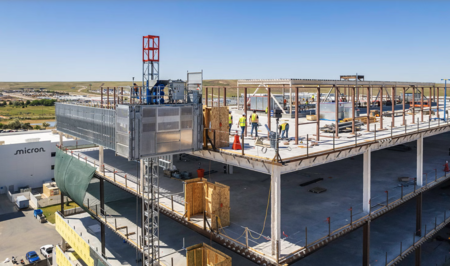
Micron urges patience when it comes to expanding memory capacity. The timeline for building new factories and equipping them is lengthy and intricate. The company began construction on its ID1 plant in Idaho three years ago, with operation slated for mid-2027. However, substantial supply chain impacts won’t be felt until the entire validation and qualification process is completed, projected for 2028.
### Adapting to Changes: The OEM Channel Remains
Despite Crucial’s exit from the consumer market, Micron continues to supply memory through less visible OEM channels, directly to PC and mobile device manufacturers. This channel plays a crucial role in delivering memory that may go unseen by consumers but remains integral to commercial products. From Micron’s viewpoint, customers still receive quality memory, albeit under different branding.
### Conclusion: A Multi-faceted Issue
The memory shortage isn’t merely the result of isolated corporate decisions; it’s an intricate tapestry woven from rising AI demands, operational constraints, and long timelines for capacity expansion. Micron projects a challenging landscape until at least 2028, marked by limited options and rising prices for consumers. The real bottleneck lies not just in purchasing power, but in the manufacturing intricacies that underpin this vital technology.