

The European Union (EU) is on a mission to accelerate the adoption of electric vehicles (EVs) across its member states. This initiative is crucial for meeting stringent emission reduction targets. With a ban on combustion engines set to take effect from 2035, countries like Germany and Italy are voicing concerns that such regulations could jeopardize their automotive industries.
Despite initial resistance, the uptake of electric cars is steadily increasing. According to various reports, electric vehicle sales have seen significant growth, especially in nations with higher purchasing power, robust charging infrastructures, or effective government incentives—like Portugal, which streamlines the purchase process and minimizes charging frictions.
However, manufacturers are reluctant to fully embrace electric models. Many brands are scaling back on plans to transition to all-electric offerings by 2035. They cite insufficient sales to justify the massive investments required to design and manufacture new vehicles, revamp assembly lines, and secure new supply chain frameworks.
While the promise of “cheap” electric cars could drive sales, consumers still face a significant hurdle: battery range. On average, Europeans drive about 34 kilometers daily, with annual distances not exceeding 12,000 kilometers. For long trips, electric cars with battery capacities below 60 kWh often require multiple charging stops, making combustion vehicles—despite their higher running costs—more appealing for infrequent, longer journeys.
Presently, the European automotive sector is at a crossroads. Making electric cars affordable is hampered mainly by battery costs, which remain a significant barrier. Even the upcoming Renault Twingo, priced under 20,000 euros, features a small 27.8 kWh battery, limiting its range to about 150 kilometers—virtually eliminating its usefulness beyond urban confines.
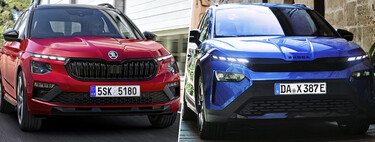
The EU is therefore exploring a new regulatory framework aimed at small, affordable vehicles, modeled after Japan’s kei car. This category of cars, which offers tax benefits and compact dimensions, has thrived in Japan but comes with challenges when adapted to European markets.
A New Category with Everything to Prove
The EU’s efforts aim to establish a new vehicle category that sits between standard passenger cars and light quadricycles. The goal is to create smaller vehicles with reduced maintenance costs and tax incentives that can help manufacturers lower prices.
Renault’s CEO, François Provost, has indicated that models like the Renault 5, 4, and Twingo could be adapted to this new category if EU regulations take effect. The envisioned vehicles would be below 4.1 meters and produced in Europe, with minimal emissions during manufacturing.

Renault has already presented a concept aimed at this segment, while Stellantis has introduced electric quadricycles that align closely with this vision. However, the success of this new category will depend largely on its adaptation to European idiosyncrasies rather than mere imitation of Japanese models.
The essence of kei cars lies in their unique appeal to Japanese consumers, who often rationalize purchases based on specific urban constraints. This market understanding allows kei cars to thrive, especially in dense urban environments where parking space is at a premium.
Yet, the challenges of launching a ‘European kei car’ are significant. Past attempts to replicate successful compact vehicles have often faltered, leading to lackluster sales, as seen with models like the Smart and Audi A2. Thus, creating a viable kei car alternative for Europe will require innovative solutions that incentivize both accessibility and affordability.
The most practical and compelling electric vehicle could very well emerge from innovation in urban mobility rather than strict adherence to traditional car norms. As Europe forges ahead, the burgeoning electric vehicle market may find direction through distinct strategies rather than mere imitation of successful models from other regions.