
“Today we had to go home, and the first flight available is July 8. We don’t have a floor, we can’t find a hotel, a car, or a train. We found nothing.” This is the frustrated comment from Mariano Mignola, an Italian tourist who recently experienced the chaos caused by a strike organized by French air traffic controllers just as he was preparing to board a flight at Orly Airport with his children.
His situation is not unique; it highlights a widespread disruption that has impacted travelers across Europe, particularly in France and Spain . The strike demonstrated the considerable power of air traffic controllers to bring European air travel to a halt at one of the busiest times of the year, right as thousands of families embarked on their summer vacations.
What Happened? French air traffic controllers organized a collective strike on July 3 and 4, aimed at pushing for better working conditions after two unsuccessful meetings with the General Directorate of Civil Aviation (DGAC). According to reports, the strike encompassed around 270 controllers out of a total workforce of 1,400, leading to cancellations and delays across Europe.
The strike, initiated by the UNSA-ICNA union , was designed to pressure authorities to address worker grievances effectively. As thousands of passengers were stranded or forced to change their travel plans, the broader impact was felt by many airlines and airports, which struggled to accommodate the logistical challenges posed by the walkout.
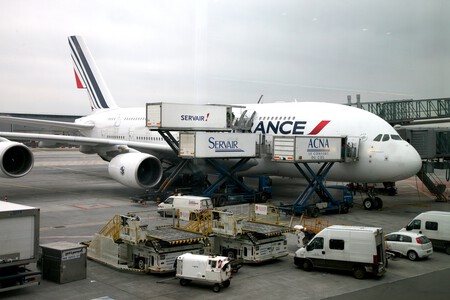
Was Traffic Affected? Absolutely. By Thursday, the strike had already led to cancellations at 11 French airports , with a staggering 25% of scheduled flights being eliminated. In an effort to manage the situation, the DGAC requested that airlines cancel around 40% of their flights at the three main Paris terminals, even as passenger complaints surged.
Can the Impact Be Measured? Yes, and the figures tell a striking story. According to the association Airlines for Europe (A4E) , more than 1,500 flights were canceled with almost 300,000 affected passengers . The delays accumulated amounted to over 500,000 minutes , the equivalent of a whole year just in missed time. These figures were made public while the strike was still ongoing, indicating ongoing turmoil in air travel across Europe.
Furthermore, the Eurocontrol weekly report indicated that air traffic had been “significantly affected” by the strike, leading to delays that directly correlated to the events unfolding in French air traffic control towers. The report emphasized that 3,343 flights operating to and from French airports were impacted, signaling a far-reaching disruption.
Was Spain Affected? Certainly. Spain experienced significant disruptions as well, with one in three flights being impacted by the strike on Thursday and Friday. The Association of Airlines reported that almost 2,000 flights had delays; the average wait time for these affected flights was around 42 minutes . The ripple effects of French air traffic control strikes clearly reached across the borders.
What Does the Sector Think? Industry voices are raising alarms over the implications of these disruptions for air traffic and tourism. The Wing Association called for urgent action to protect flights that cross French airspace. This echoes previous actions taken in countries like Italy and Greece, which have successfully created measures to reduce passenger impact during strikes.
Meanwhile, Ryanair’s Chief Executive, Michael O’Leary, criticized the situation, stating that many affected passengers had no connection to France . He stressed that it is both unfair and nonsensical for travelers to endure such cancellations when their journeys do not originate or end in France.
As summer travel ramps up, the ongoing debates around the rights of air traffic workers versus the impact on travelers remain unresolved. With calls for more coordinated action across Europe to avoid such disruptions moving forward, the conversation about airline regulation and management is more relevant than ever.
As travelers, industry leaders, and regulatory bodies navigate this turbulent period in air travel, lessons from past disruptions can guide future measures to prevent widespread issues. These ongoing discussions will be crucial in shaping a more resilient air traffic system across Europe.