

Understanding the Rise of Phishing Campaigns
The sophistication of Phishing campaigns has reached new levels through the combination of tactics that involve apocryphal emails from recognized firms, such as Apple and Docusign , along with false notifications related to charges made through Apple Pay .
These counterfeit messages aim to create a sense of urgency in users, compelling them to call telephone numbers managed by the scammers , all wrapped in a legitimate and professional appearance.
How the Scam Operates
Currently, there are electronic emails designed to imitate purchase vouchers supposedly generated by payment systems such as Apple Pay . In these messages, users receive information about a payment allegedly applied to their account, including details such as an invoice number and a specific amount, along with a phone number to resolve any inconvenience.
The Rise of Corporate Mimicry
The main purpose of these emails is to prompt the victim to communicate with an alleged support agent, who is in fact a scammer.
To reinforce the credibility of their deception, criminals adopt the corporate image and language of recognized firms like Apple , Netflix , and Expedia . This strategy adds legitimacy to the message, making identification of the scam challenging.
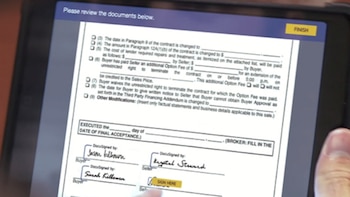
Another frequent tactic is incorporating links to trusted platforms like Docusign , accompanied by security codes that seem to ensure additional protection, but merely seek to persuade users of the communication’s authenticity.
Identifying Signs of Phishing Attempts
One revealing sign of this scheme is the contact channel. The messages encourage recipients to make a phone call to address any doubts or when the collection is unrecognizable.
This invitation moves the conversation to an environment controlled by the scammer, who presents as a support worker, requesting Apple ID credentials, confidential financial information, or even proposing the installation of applications to control the device remotely. They might also demand extra payments under the pretext of providing protection or refunding undue charges.
The tactics used here are often combined with visual and discursive elements that enhance the facade. The use of digitally elaborate receipts, official logos, and the inclusion of external links lend seriousness and expedience to the resolution of the supposed issue.
Consequently, the psychological pressure increases, pushing victims, in search of a quick fix, to deliver sensitive information or make unnecessary payments.
How to Spot Phishing Attempts
Despite the increasing sophistication of these fraud schemes , certain details can help spot them. A key feature is the email address of the sender. These campaigns commonly use slightly altered characters or minimal substitutions, such as replacing letters with their Cyrillic equivalents. This tactic evades spam filters and deceives even vigilant users.
Another red flag is the platforms used to send notifications. Companies like Apple do not send billing receipts through services such as Docusign. This discrepancy should raise alarms and prompt recipients to question the legitimacy of the communication.

It’s crucial to remain vigilant about the tone of urgency that often accompanies these messages. The insistence on quickly resolving a non-existent problem seeks to compel the victim into acting impulsively, bypassing verification of the information’s authenticity.
Besides scenarios involving false charges, other phishing variants include emails simulating communications from banks or financial entities. These messages often warn of problems with user accounts and prompt the entry of personal credentials into counterfeit websites designed to capture sensitive information.
Another common tactic is the promotional correspondence announcing non-existent awards or raffles with attractive incentives. Clicking these links often redirects victims to forms requesting personal data or prompts the download of files containing malicious software , such as Trojans or spyware , jeopardizing the device’s security and user data.