
Mobile phone theft in London has escalated into a severe issue, significantly impacting both residents and visitors. According to reports, nearly 80,000 complaints were lodged in 2024 alone, with tourist hotspots and commercial areas being particularly targeted. In many cases, stolen devices are swiftly turned off by thieves, making recovery nearly impossible. However, recent events have shown that it’s possible to unravel entire criminal networks through diligent tracking efforts. In a remarkable twist, an attempt to track a stolen iPhone led to the dismantling of an international smuggling operation moving thousands of stolen phones from the UK to Asia.
The Metropolitan Police, backed by data from British media, has underscored the significance of addressing phone theft as a major security issue in the city. The sheer volume of incidents reveals a robust black market that not only fuels local crime but also facilitates the export of devices internationally. By going beyond individual instances of theft, law enforcement is keen on comprehensively addressing the networks orchestrating these crimes.
How a Tracking Attempt Ended Up Uncovering an International Network
The investigation began when the police used tracking technology on a stolen iPhone . This led them to a warehouse near Heathrow Airport , uncovering a shipment containing approximately 1,000 stolen phones destined for Hong Kong . Recognizing the potential for a larger operation, the Metropolitan Police initiated Operation Echosteep , a focused investigation seeking to dismantle the smuggling network.
As the investigation unfolded, specialized teams in smuggling and organized robbery were deployed. Forensic analysis of seized packages yielded critical evidence, including label matches and sealing patterns, facilitating the identification of individuals responsible for the theft and transport of these devices. This innovative investigative approach gradually revealed the intricate web of criminal activity connecting multiple suspects across London.
By September, the operation gained significant momentum with the arrest of two men in northeast London. Approximately 2,000 phones were discovered in their possession, marking a substantial breakthrough in the case. Shortly thereafter, another operation in Islington uncovered around £40,000 (about €46,800) in cash along with various devices. Over a span of weeks, the police conducted more than 30 searches , leading to 46 arrests tied to the trafficking of stolen phones.
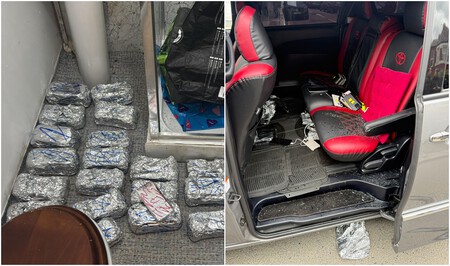
</div>Final assessments of the operation highlight the vast scale of the smuggling network, which allegedly exported as many as 40,000 stolen mobile phones in a year. Astonishingly, this figure represents about 40% of all reported thefts in London. According to the Metropolitan Police, the criminal group specifically targeted high-value Apple products , capitalizing on their global demand. Thieves were reportedly compensated up to £300 per device , while those phones could fetch over $5,000 once resold in Hong Kong.
As noted by The Times , the investigation was sparked by using the Find My iPhone app, a tool designed to assist users in tracking lost Apple devices. Although the police have not officially confirmed this, it is strongly believed that this application was instrumental in guiding them to the warehouse. Find My iPhone allows users to trace not only phones but also computers and other Apple accessories, making it a powerful tool in both recovery and investigative processes.
<img alt="Mobile phone manufacturers first stopped including the charger with every purchase. Your next threat is clear: the USB cable" width="375" height="142" src="https://i.blogs.es/0a5b3a/cables/375_142.jpeg"/>This recent case serves as a pivotal reminder that mobile tracking technologies can extend far beyond merely recovering stolen devices. They can also illuminate extensive networks of organized crime, transforming what may seem like a small incident into a significant law enforcement breakthrough. While this won’t entirely eradicate the issue of mobile phone theft, it illustrates how effectively harnessing technology can help disrupt criminal enterprises and bring offenders to justice.
Images | Metropolitan Police (1, 2)
In Xataka | Amazon and Google have buried their voice assistants at the same time